Big Five
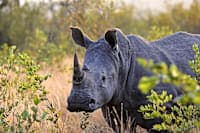
Lion, elephant, buffalo, leopard and rhino – all five within arm's reach in the wild.
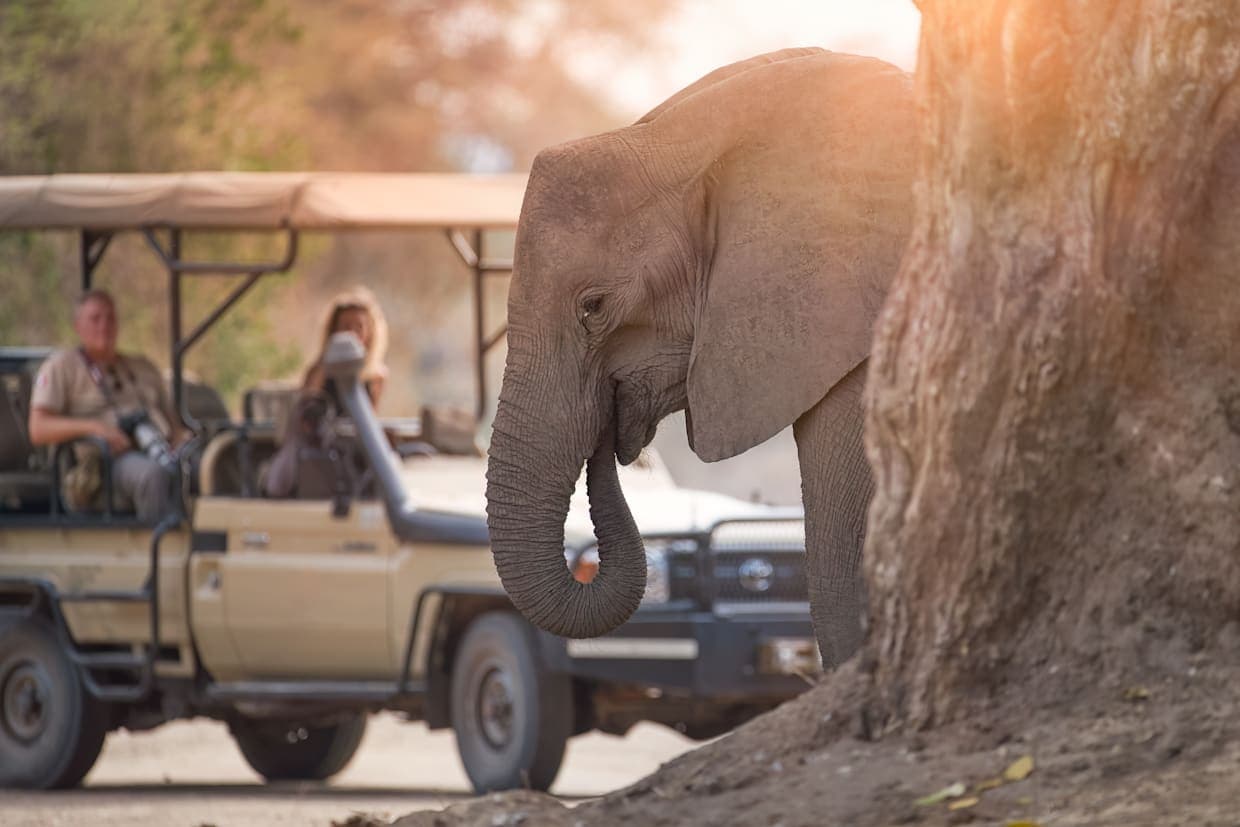
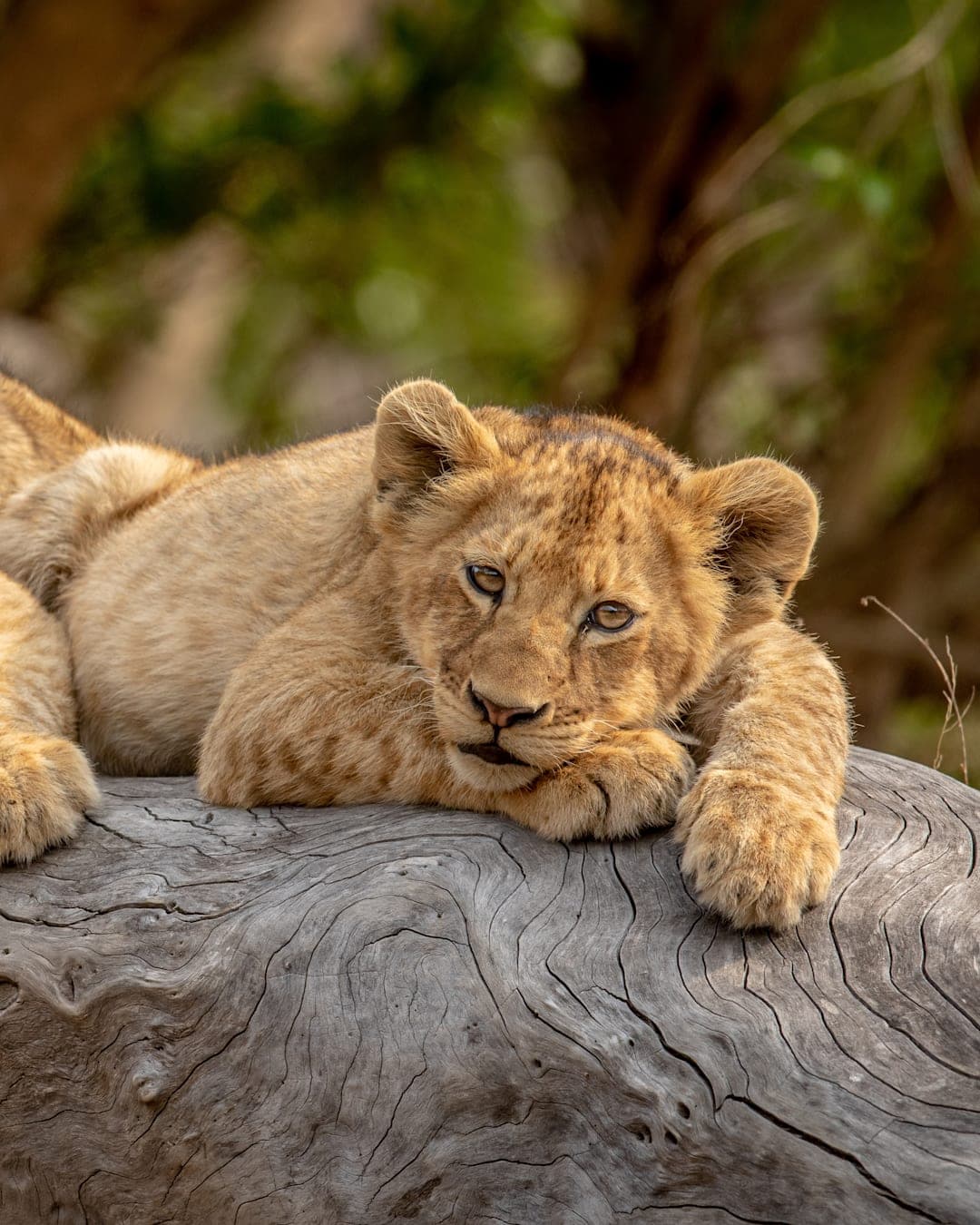
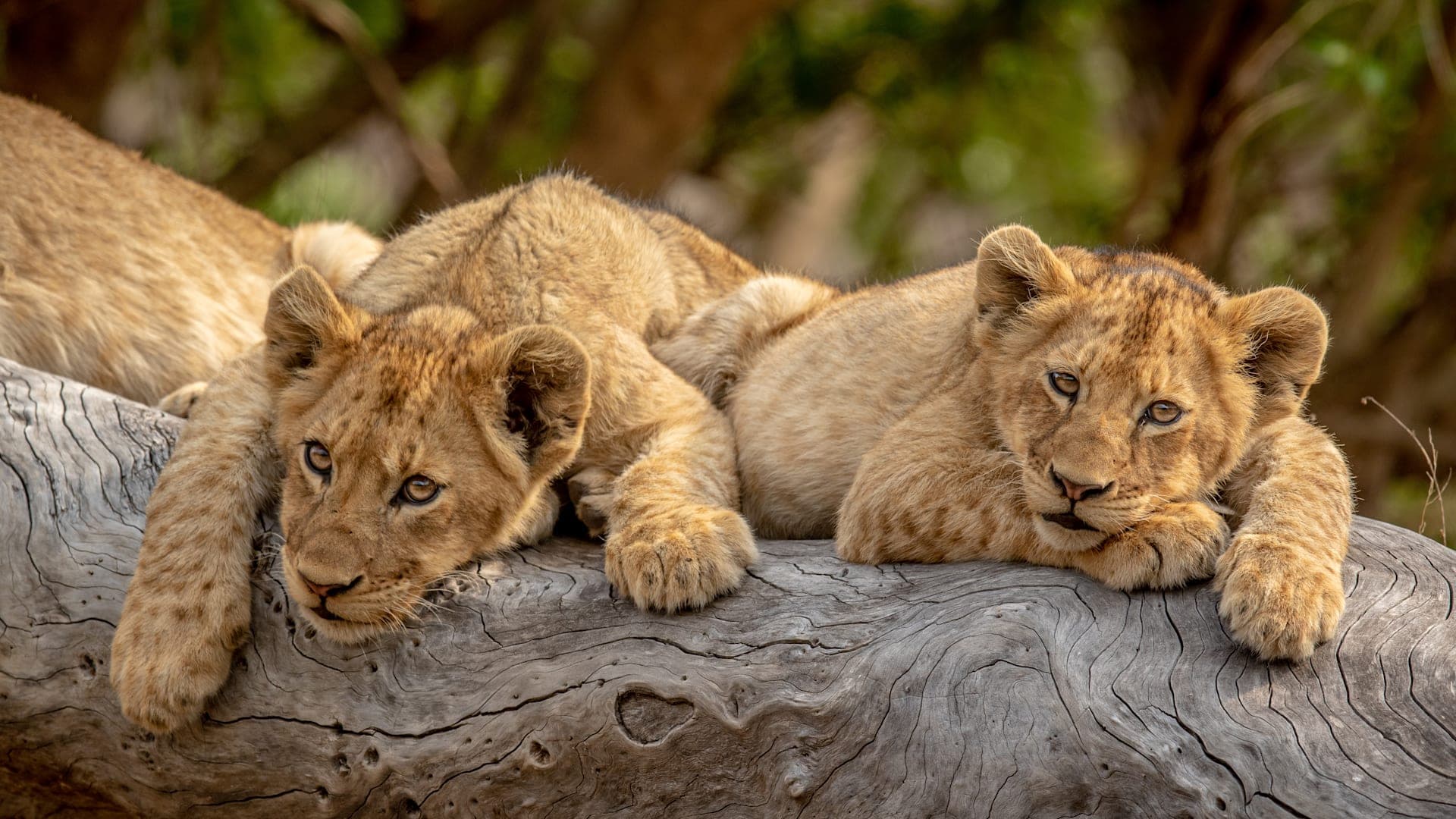
Africa isn't a single destination -- it's many. And at the heart of the continent lies what Africa is world-famous for: safari. You'll see the most powerful animals on Earth living exactly as nature intended -- no zoo, no enclosure, just savannah, dust and a herd of elephants crossing the road right in front of you. Tanzania's Serengeti feels as though someone has brought The Lion King to life. Further south, the Namibian desert burns in a shade of red that needs no filter, and the dunes of Sossusvlei rank among the tallest in the world. Morocco offers something entirely different -- labyrinthine souks giving way to the Sahara beyond. South Africa's Garden Route, meanwhile, is one of the most beautiful coastal roads in the world, a road trip that belongs on every bucket list. And if that weren't enough, there are genuine dream islands waiting to be explored: Mauritius, the Seychelles and Cape Verde.
Lion, elephant, buffalo, leopard and rhino – all five within arm's reach in the wild.
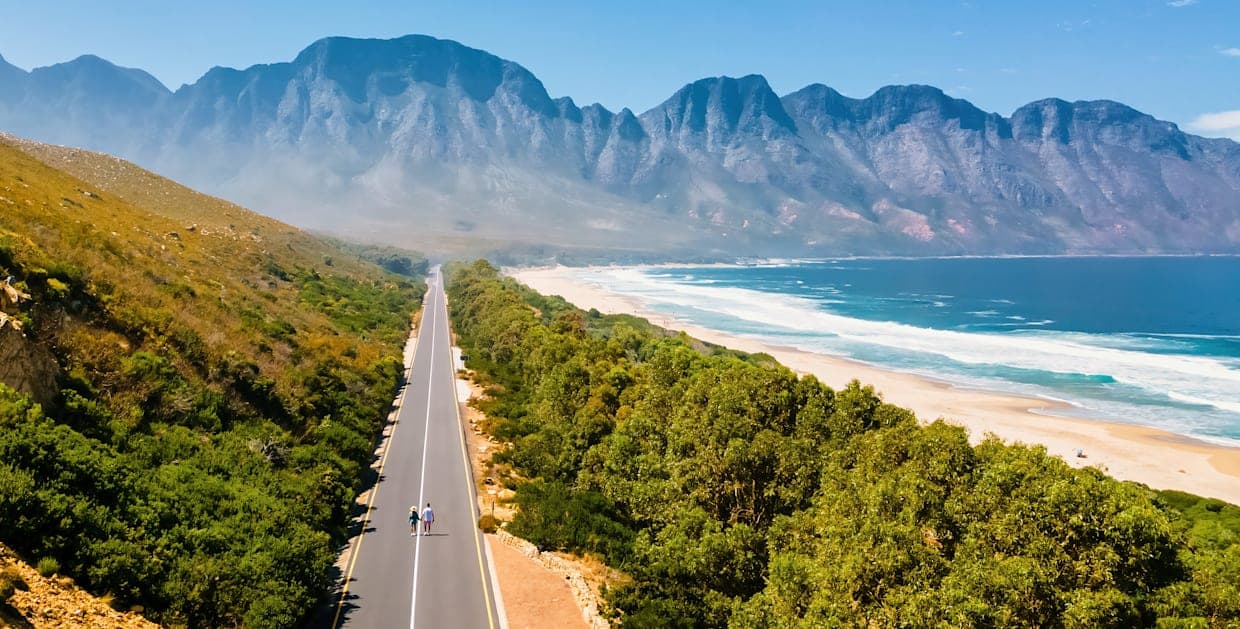
Runs along South Africa's southern coast and ranks among the most beautiful coastal roads in the world.
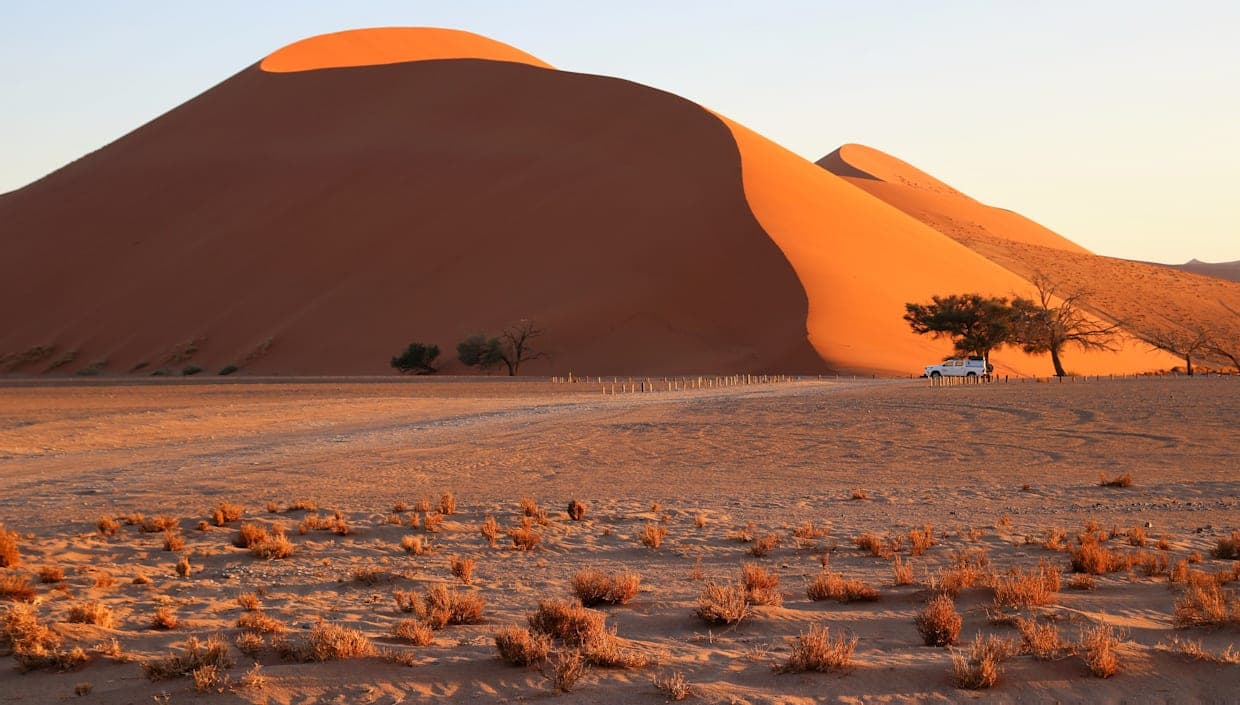
The dunes at Sossusvlei rank among the tallest in the world.
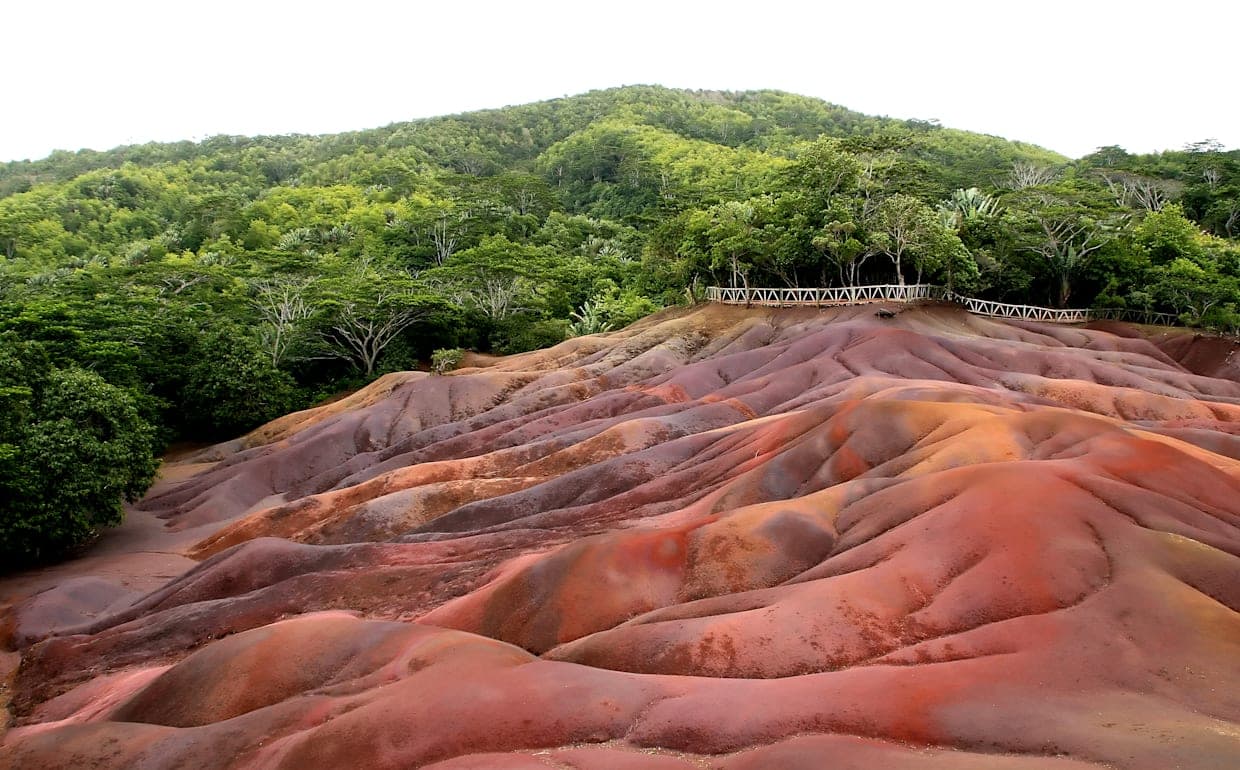
Mauritius is home to volcanic soil that glows in seven distinct colours – and remarkably, they never blend together.
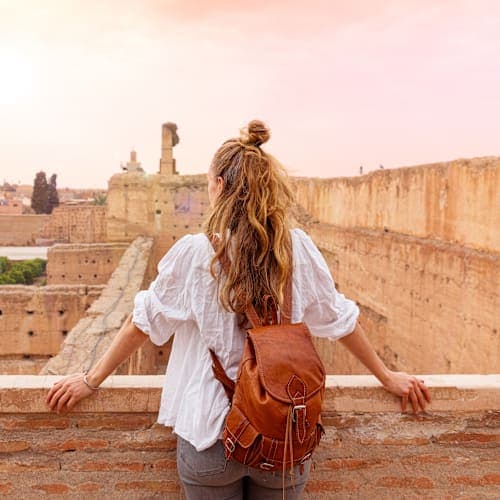
Morocco greets you with all your senses at once. In the souks of Marrakech, the air carries the scent of cumin and fresh leather, traders call out from every stall and motorbikes push through alleyways barely wider than your shoulders. Then the Sahara falls silent around you -- orange dunes shifting slowly in the wind and a sky full of stars after dark. In between lies the Blue City of Chefchaouen, whose streets glow in every shade of blue, the royal city of Fès with the oldest university in the world, and coastal towns that smell of the Atlantic and fresh fish. Those who look further across North Africa will find Egypt -- pyramids rising from the desert sand at sunrise, the Nile and the Red Sea.
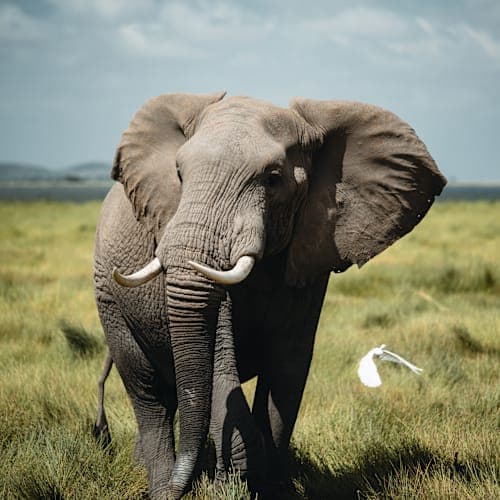
You're standing in an open jeep, the engine running quietly -- twenty metres away, a lion raises its head. Kenya and Tanzania are home to perhaps the densest wildlife landscape on Earth: the Masai Mara, the Serengeti, the Ngorongoro Crater -- vast territories where nature plays entirely by its own rules. This is where the Great Migration moves across the savannah, more than a million wildebeest and zebras taking part in the greatest wildlife movement on Earth, dust clouds rising on the horizon in a spectacle that needs no director. Those who want to bring their pulse back down afterwards can take the ferry to Zanzibar. White sand, turquoise water, coral reefs beneath the surface and spice plantations inland -- the island is the perfect way to wind down after your safari adventures.
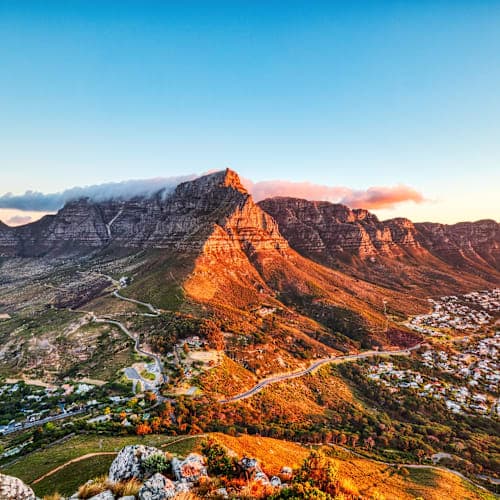
South Africa is a country that does too much to fit into any single category. The Garden Route ranks among the most beautiful coastal roads in the world, elephants block the road in Kruger National Park, and in Cape Town, Table Mountain, the Atlantic and the Winelands all sit within the closest reach of one another. Those who look deeper will discover Lesotho and Eswatini -- two kingdoms nestled within the country that barely anyone has on their radar. Namibia is an entirely different chapter: the dunes of the Namib Desert glow a deep red at sunrise, Etosha National Park draws thousands of animals to just a handful of watering holes, and the Skeleton Coast stretches along the Atlantic like the edge of the world.
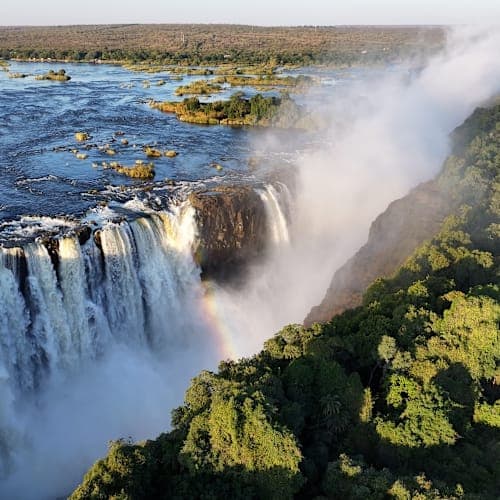
Botswana and Zimbabwe represent southern Africa in its wildest form. In the Okavango Delta, you'll swap the jeep for a boat -- and as you glide through the reeds, a hippo surfaces less than three metres away. The Delta is one of the last truly wild areas on Earth, with no mass tourism, just water, wildlife and silence. Zimbabwe's Victoria Falls thunder so loudly that you'll feel them before you see them -- more than 500 million litres of water per minute break over a rocky ledge, the mist rises a hundred metres into the air, and the rainforest surrounding it exists only because the falls themselves created it.
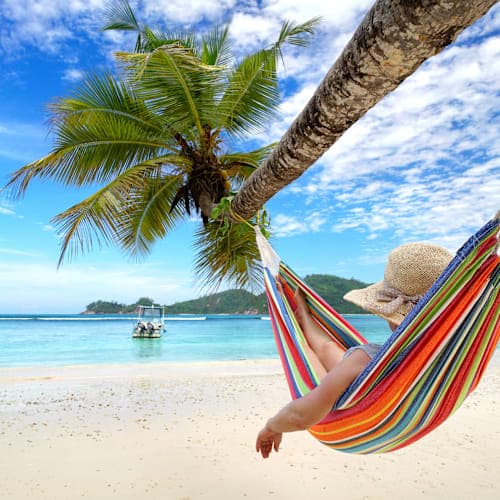
Mauritius and the Seychelles aren't just a beach trip -- they're proof that some places actually look exactly as they do in the photographs. The water is so turquoise and so clear that you can see the seabed without putting on a mask. The white sand gives way beneath every step. On Mauritius, granite rocks rise from the sea, sugar cane fields turn the interior a vivid green, and the seven-coloured earth of Chamarel glows in shades that no paintbrush could ever mix. The Seychelles scatter 115 islands across the Indian Ocean – each with its own character, some barely larger than a village. You'll snorkel over coral reefs, sleep in an overwater villa and fall asleep at night to nothing but the sound of the ocean.