Best time to visit
From May to December, Mauritius delivers the ideal conditions for your trip: temperatures hover between 24 and 28 degrees, trade winds cool the air and rain falls rarely and briefly.
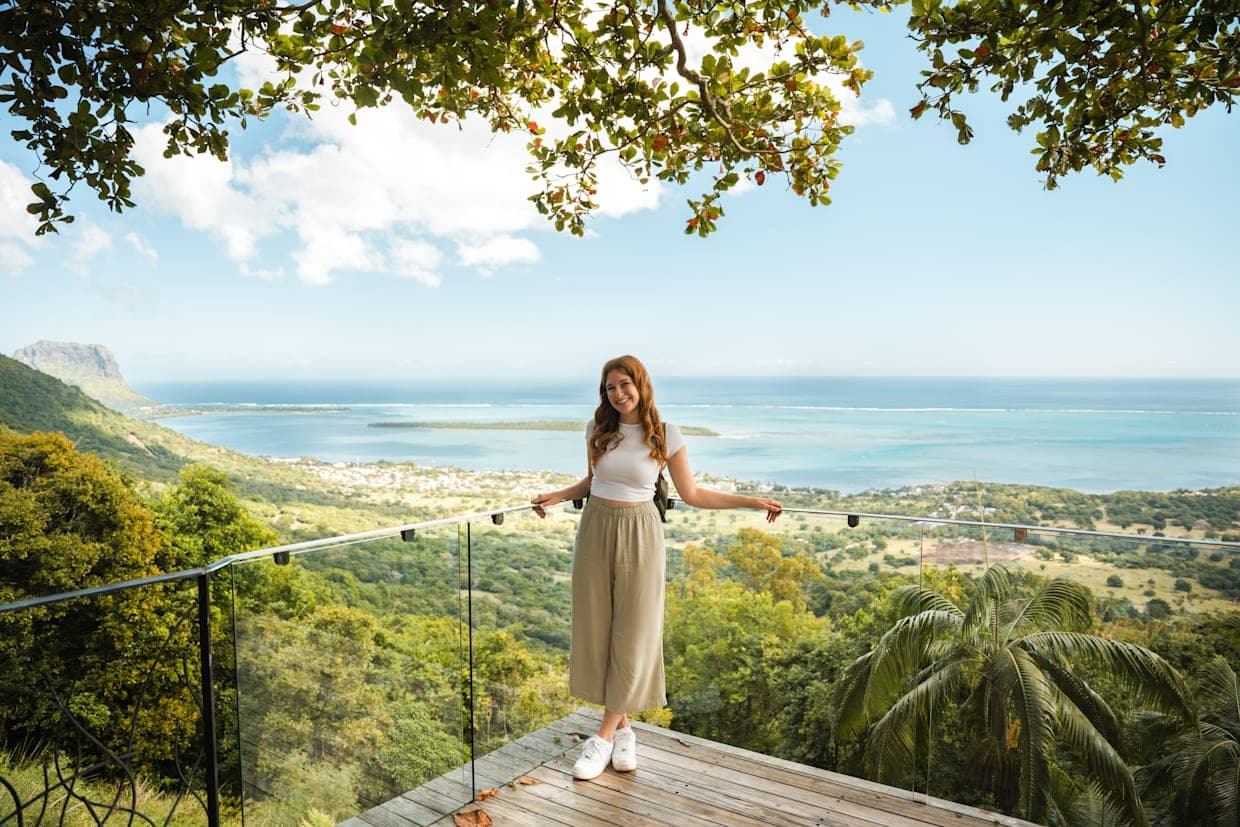

The air smells of salt and adventure, your gaze sweeps across turquoise water crashing against black lava cliffs: welcome to Mauritius. This island isn't a quiet retreat. It explodes in colours, contrasts and experiences that won't let you go. You'll hike through green gorges, stand on Le Morne in the first light of day and listen to the whales off the coast. And right in the middle of it all is real life. Street kitchens with fragrant curry in Port Louis, a sega rhythm that makes you dance barefoot. A round trip around Mauritius is intense, unexpected and authentic. Whether it's a road trip or island hopping, you don't arrive as a tourist. You arrive as an explorer.
From May to December, Mauritius delivers the ideal conditions for your trip: temperatures hover between 24 and 28 degrees, trade winds cool the air and rain falls rarely and briefly.
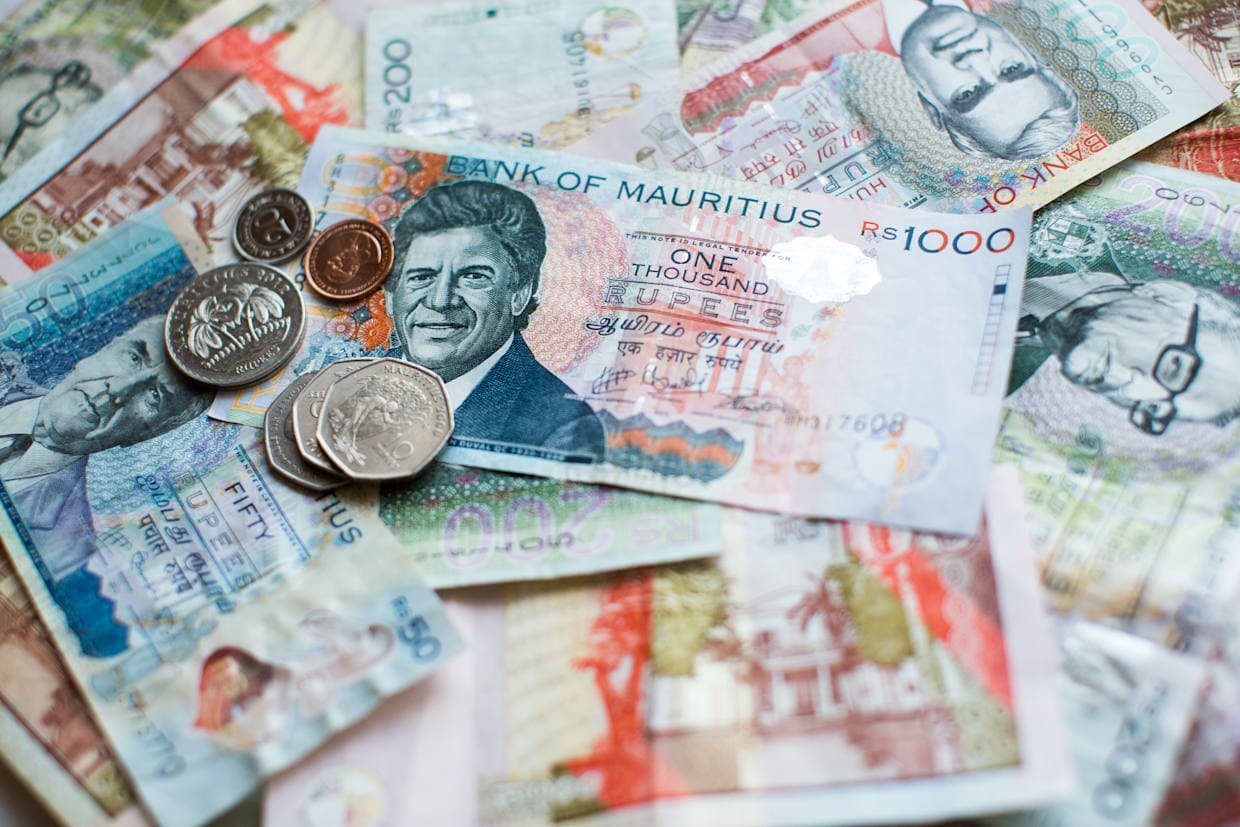
The official currency is the Mauritian rupee (MUR).
A direct flight from the UK to Mauritius takes around 11 to 12 hours.

English is the official language, but in everyday life Mauritians speak Creole – a mix of French, African languages and Hindi – though you'll get by without any problems using English everywhere.
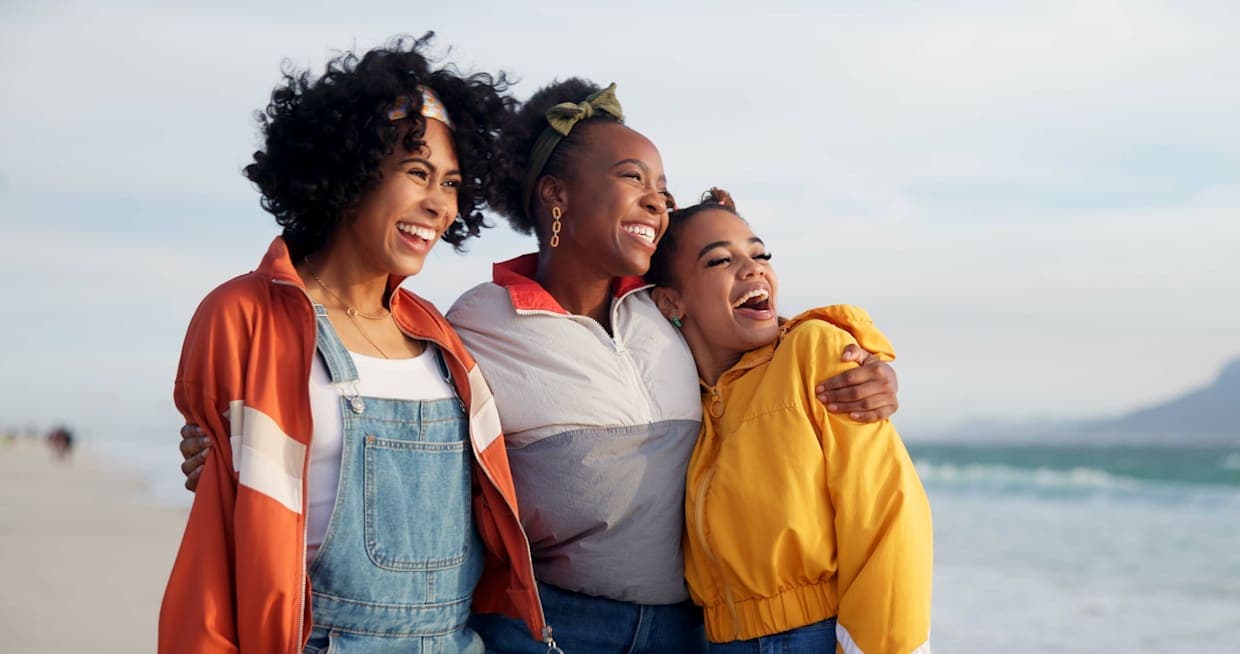
Mauritius is full of highlights, but these must-sees belong on your bucket list.
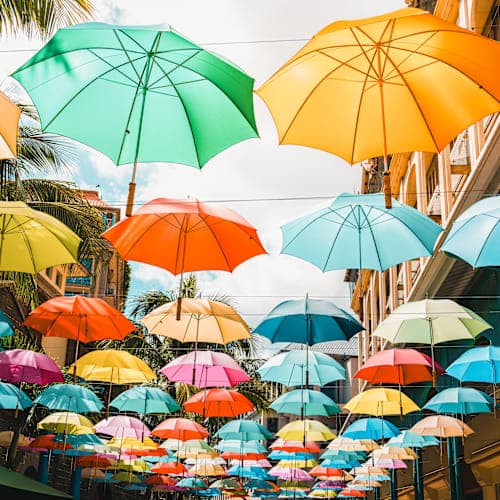
Markets, mosques, temples and office towers: Port Louis packs everything into one place. You can smell spices from open sacks, hear Creole spoken in three dialects and watch businesspeople shoulder past street vendors through narrow alleyways. The central highlands sit at 600 metres, cooler, greener and slower in pace. Tea plantations blanket the hillsides, and morning mist drifts through the valleys like liquid silver. Grand Bassin shimmers deep black in its volcanic crater, drawing Hindu pilgrims and drifting incense smoke before statues of the gods. Moka tucks itself between the capital and the highlands behind rolling green hills, with villas, art galleries in colonial buildings and students gathered in cafés. Mauritius is a destination full of layers.
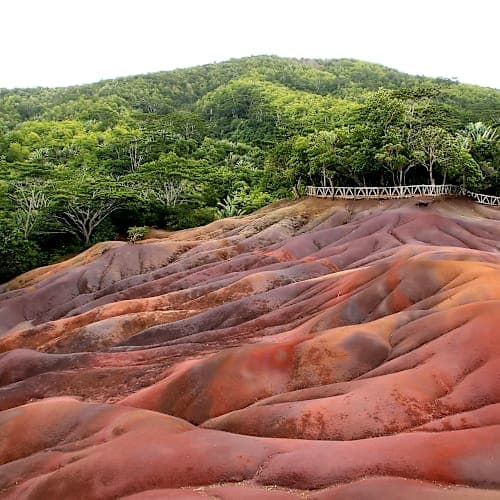
Le Morne rises 556 metres as a black volcanic rock from turquoise water, and when you climb to the top, the entire southwest coast stretches out below you. Just offshore, the underwater waterfall plays tricks on your perception: sand swirls and currents create the illusion of the ocean plunging into an abyss, and from a helicopter it is utterly spectacular. Bel Ombre nestles between Le Morne and Souillac, greener and wilder, with walking trails threading through sugarcane fields. The seven-coloured earth at Chamarel shimmers in red, brown and violet, its volcanic minerals painting abstract patterns into the ground so otherworldly that you find yourself looking twice. Right beside it, the Chamarel waterfall drops a spectacular 83 metres straight down into the forest.
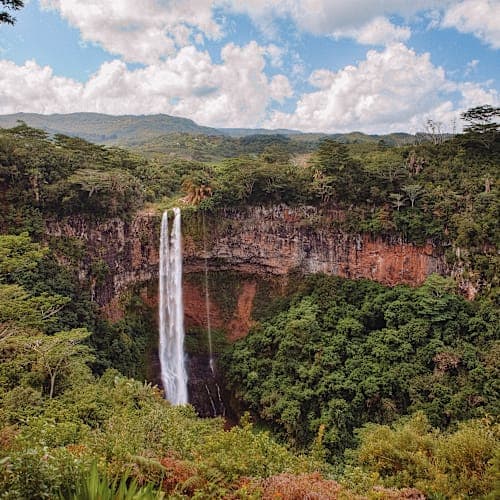
The west coast of Mauritius is packed with natural highlights. Flic en Flac is home to one of the longest sandy beaches on the island, complete with a reef edge just offshore. Further south lies Tamarin, a bay that draws both surfers and dolphins in equal measure. Black River Gorges National Park is the green heart of the island: 68 square kilometres of rainforest, endemic birds, waterfalls and trails that lead you deep into a landscape that has nothing to do with a beach trip. The Tamarin Falls cascade down seven tiers here, making them one of the most spectacular waterfalls on Mauritius. Casela Bird Park is the island's only wildlife park, with lions, zebras and ziplines that carry you out over the gorges.
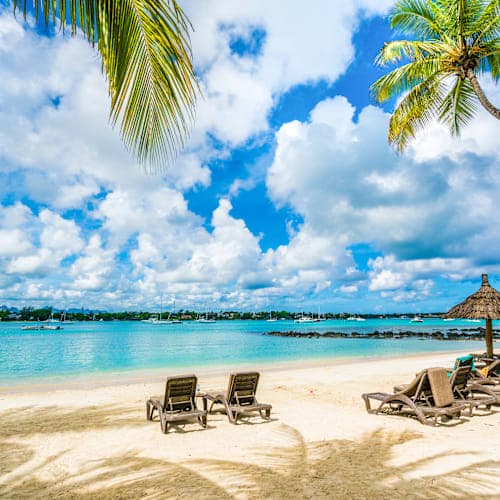
Boats, bars and parasailing: Grand Baie is the tourism hub of the north. Beach bars play music until midnight, watersports operators offer parasailing between the palms and boats bob in the bay. For something quieter, head three kilometres further to Péreybère, one of the most beautiful lagoons in the north and a place that few people seem to know about. Mont Choisy Beach stretches from there for kilometres westward, making it one of the longest beaches on the island. At the very top, on the northernmost point, sits Cap Malheureux: a tiny church with a red roof right at the water's edge, with Coin de Mire rising from the ocean behind it like a beached whale.
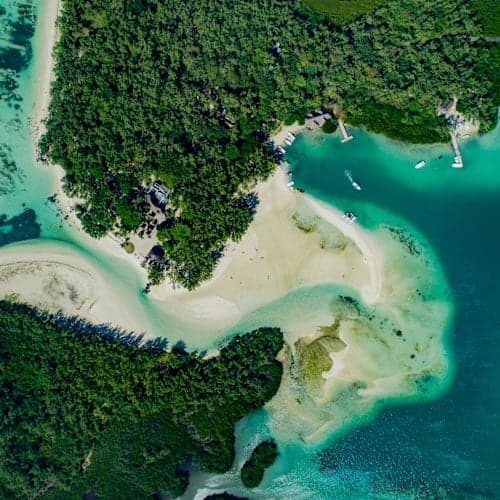
Belle Mare stretches so far that the beach eventually disappears into the haze, with white sand and water so shallow that you're still standing 50 metres out. Fishermen mend nets between luxury resorts as palm trees lean into the wind. From Trou d'Eau Douce, it's just a few minutes by boat to Île aux Cerfs, a lagoon in ten shades of blue that needs no filter. Further south lies Blue Bay, home to the clearest water on the island, where you can snorkel over corals that remain razor sharp from five metres down. Mahebourg moves to its own rhythm: colourful wooden houses, Monday markets selling vegetables rather than souvenirs and grilled fish instead of cocktails. The east shows you Mauritius unfiltered.