Chichen Itza
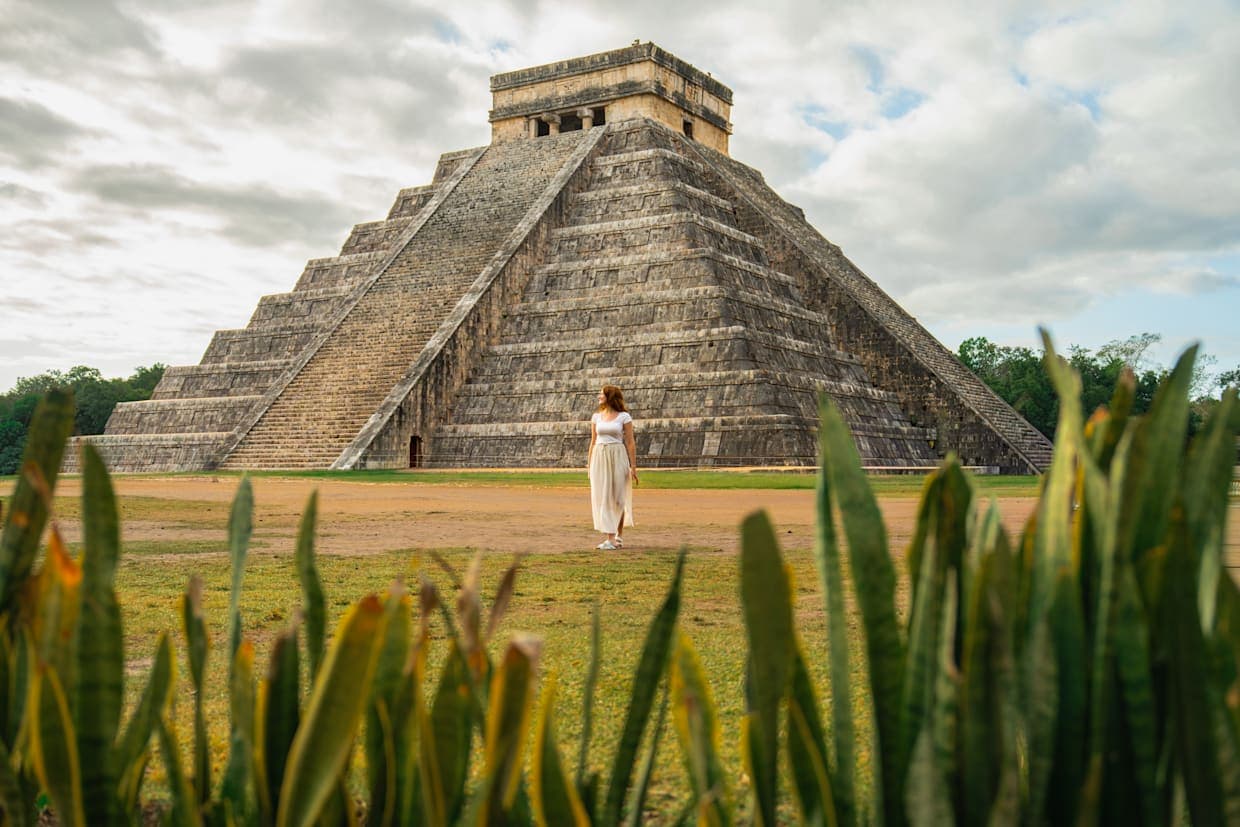
A modern wonder of the world, standing 24 metres tall and steeped in mysterious Mayan history.
Latin America delivers jungle, desert, high mountains and Caribbean beaches -- all on a single continent. It begins in the Brazilian Amazon, where daylight barely reaches the forest floor, macaws screech overhead and jaguars remain invisible in the undergrowth. From there, the continent pulls you onwards: in Chile's Atacama, salt lakes glow in white and turquoise, and after dark the sky belongs to you alone. Buenos Aires and Mexico City never sleep, while the dream beaches of Cuba and Jamaica offer the perfect counterpoint. Machu Picchu sits enthroned at 2,430 metres above the Urubamba Valley, and the Iguazú Falls thunder along the Argentine-Brazilian border, stretching wider than Niagara. Guatemala, Costa Rica, Bolivia -- Mayan temples in the rainforest, volcanoes and the Salar de Uyuni, which mirrors the sky across ten thousand square kilometres of salt flats that are flat, still and utterly otherworldly.
A modern wonder of the world, standing 24 metres tall and steeped in mysterious Mayan history.
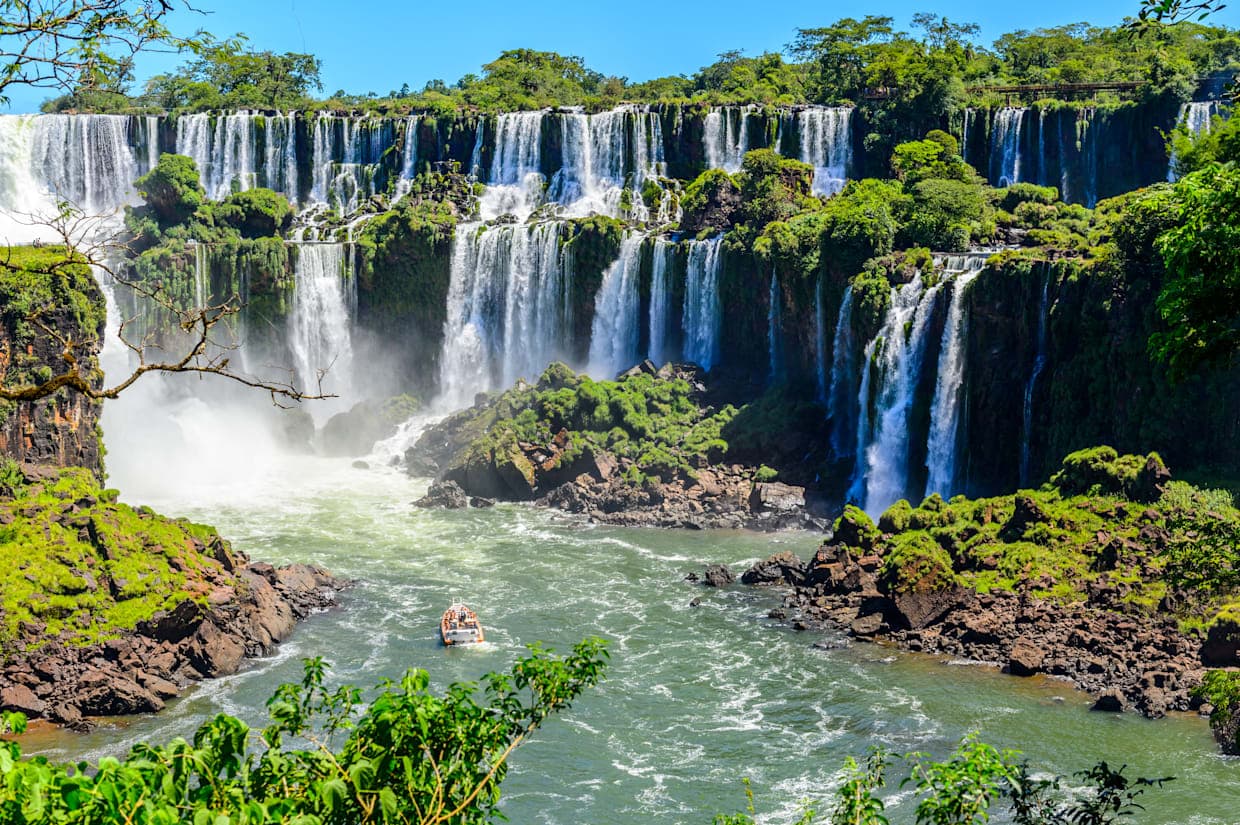
275 waterfalls plunging into the depths across almost three kilometres
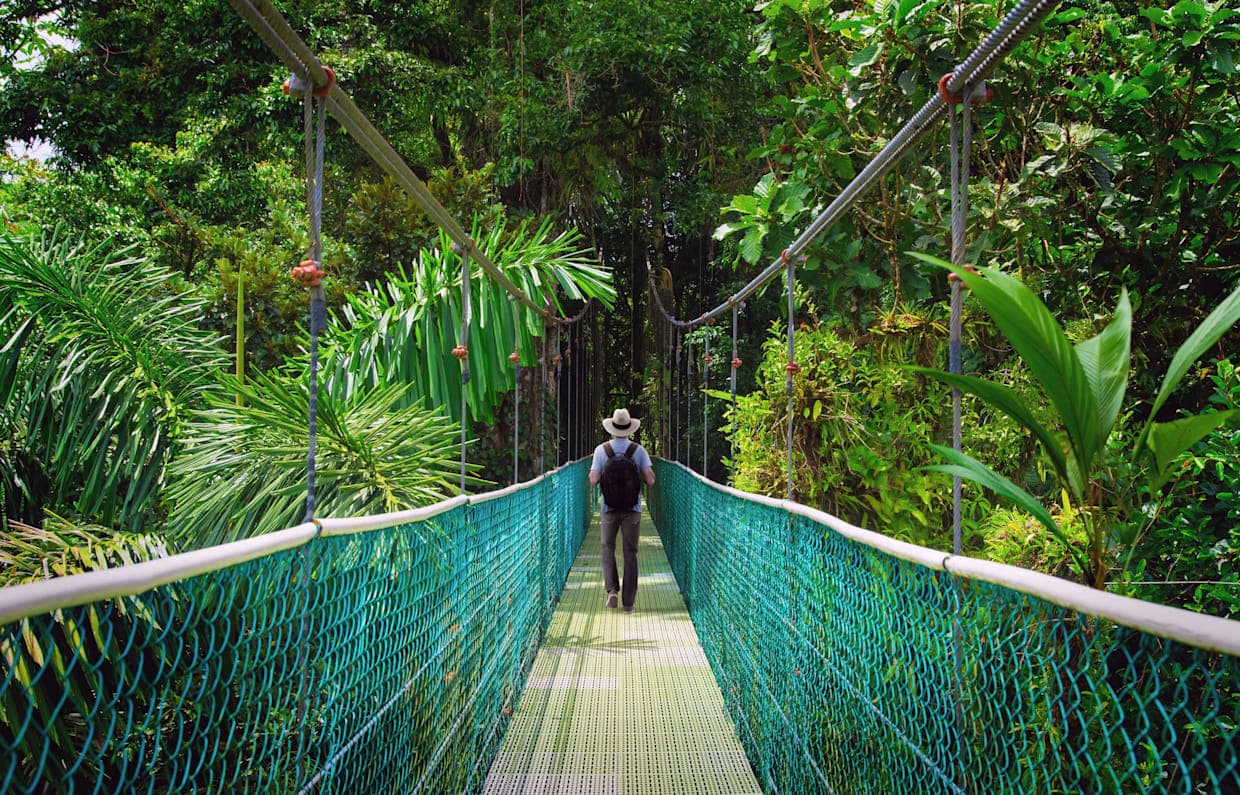
From Costa Rica and the Amazon to Belize and Panama, you'll immerse yourself in the feeling of the jungle.
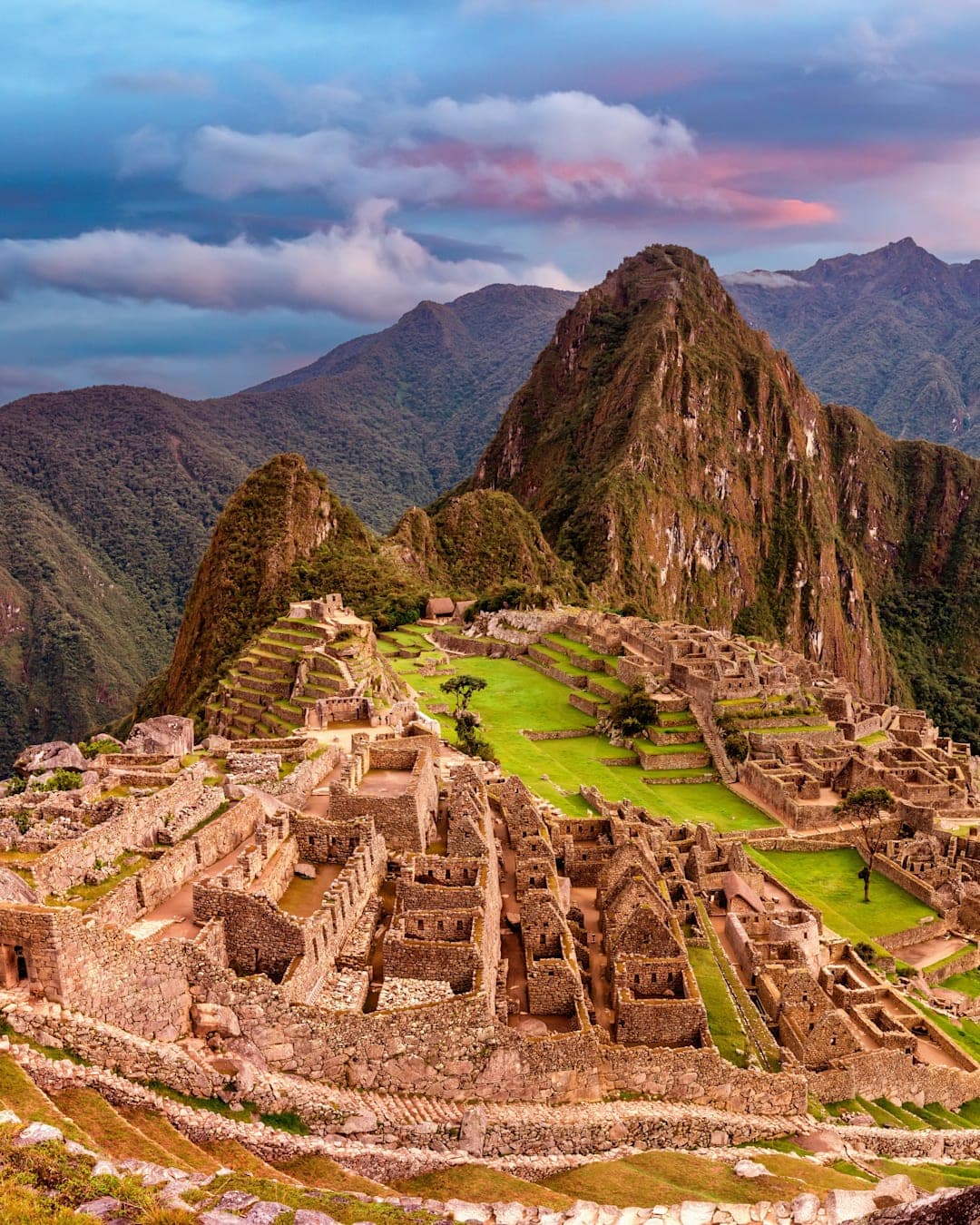
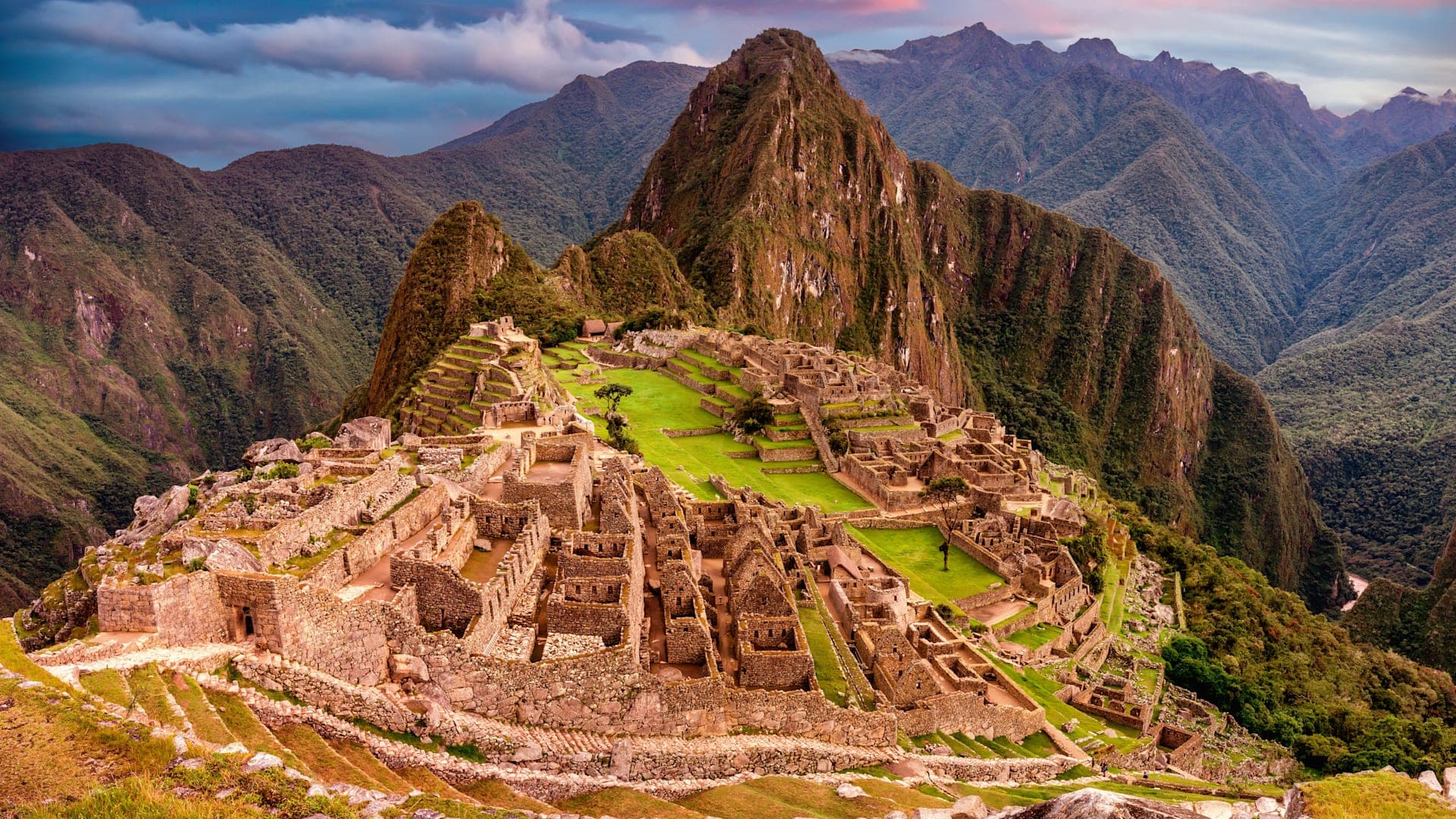
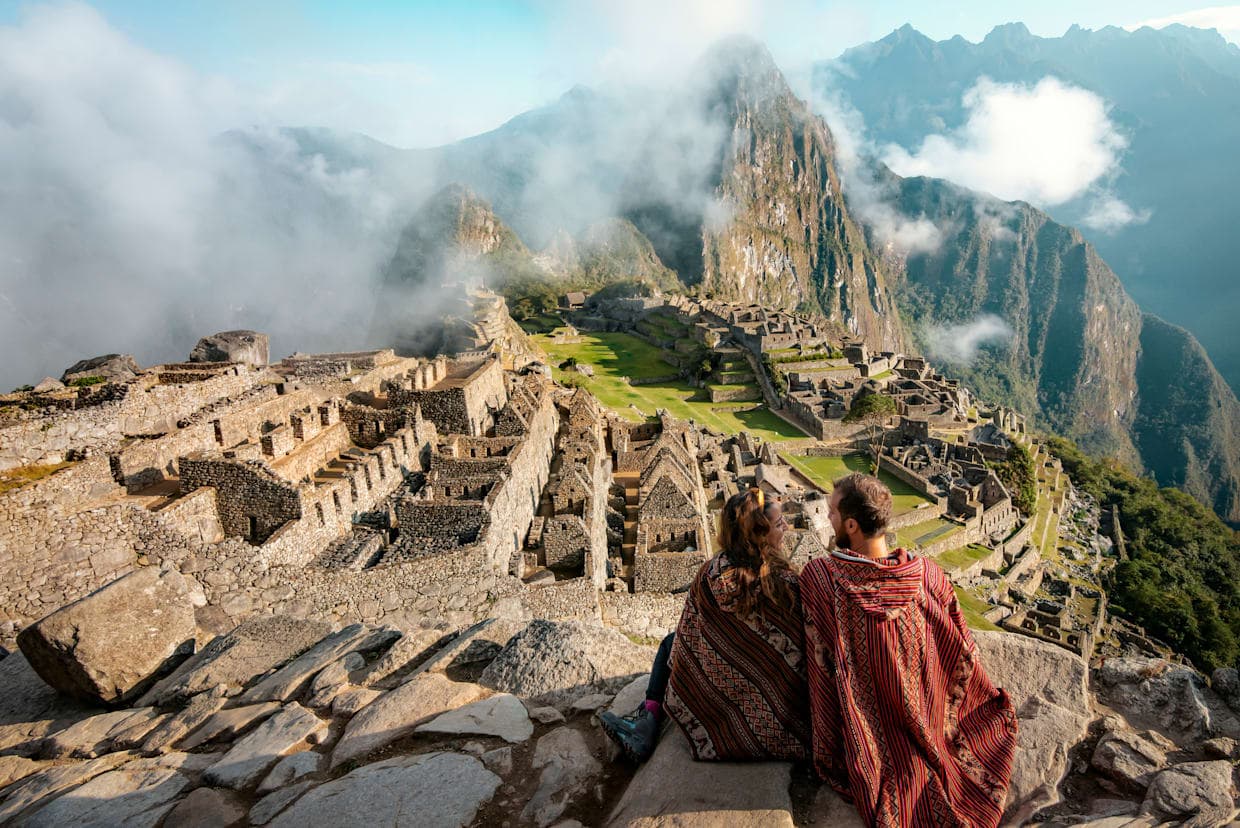
A mystical Inca city from the 15th century – Peru's most iconic landmark and one of the world's wonders.
Desert in the north, the Caribbean in the south, hidden Mayan ruins in the jungle and a metropolis of 22 million people right in the middle – Mexico defies every category. Chichén Itzá carries the Mayan myth chiselled into every stone. The ruins of Tulum sit enthroned on cliffs directly above the turquoise sea, while Oaxaca brims with colonial architecture and vibrant indigenous culture. Beneath the Yucatán Peninsula lie the cenotes – underground freshwater lakes and former sacred sites of the Maya. Add to that a food scene ranging from street food markets to internationally acclaimed restaurants and people who celebrate life more loudly and more colourfully than almost any other culture in the world.
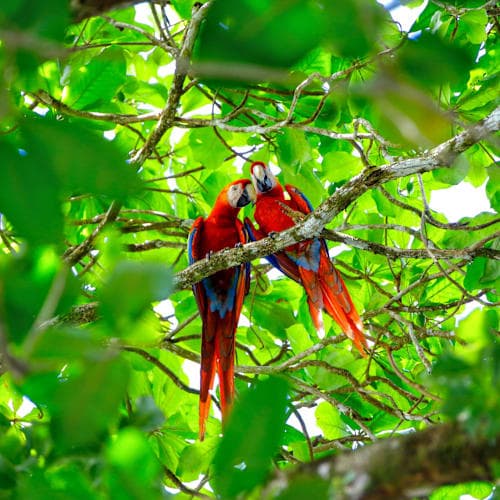
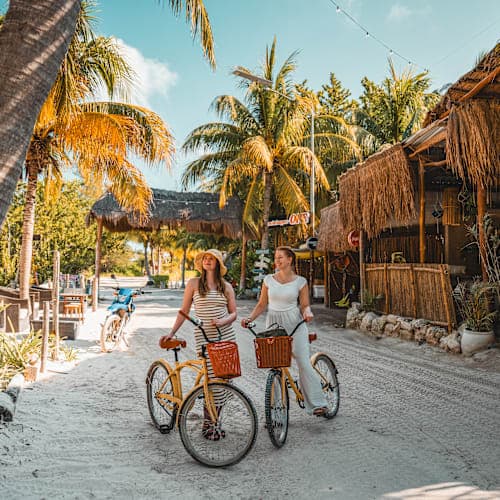
Costa Rica is the ultimate jungle adventure: toucans, suspension bridges over the canopy and volcanoes with views out to sea. Panama sits between two oceans, and the Panama Canal – one of the greatest feats of engineering in the world – connects them. Alongside it lies Casco Viejo, the historic quarter with its colourful Victorian buildings. In Guatemala, the Mayan temples of Tikal rise mystically from the jungle canopy at sunrise. Off the coast of Belize lies the Belize Barrier Reef – the second largest coral reef in the world, with dense jungle and Mayan ruins beyond. Jamaica and Curaçao are pure Caribbean: sand so white it practically blinds you, water in a shade of blue that needs no filter, reefs teeming with life and nights that smell of rum and reggae.
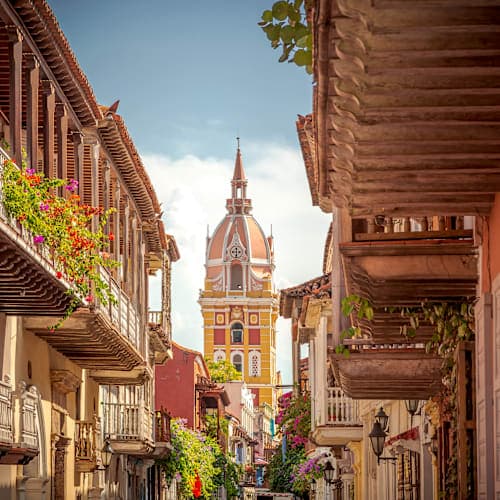
Colombia, Peru and Bolivia are bound together by the Andes - and yet they could hardly be more different from one another. Colombia's contrasts are best seen in two cities: Medellín was once the epicentre of the drugs trade and the most dangerous city in the world, and today it's one of the most innovative metropolises in Latin America. Cartagena, by contrast, is where centuries-old city walls and colonial façades meet the Caribbean coast. The ruins of Machu Picchu sit enthroned high in the Peruvian Andes, wrapped in cloud – an Inca city that the Spanish never found. Bolivia is the most extreme of the three: the Salar de Uyuni stretches all the way to the curve of the Earth, the Laguna Colorada glows blood red between volcanoes, and the capital La Paz clings to a hillside at 3,600 metres above sea level.
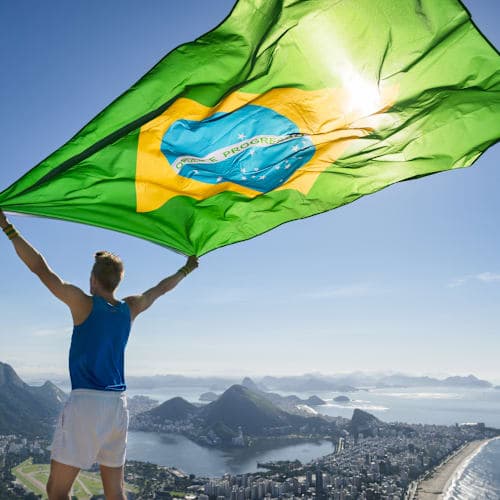
Big, bigger, Brazil: the Amazon is the most biodiverse ecosystem on Earth. By boat or kayak, you'll immerse yourself in the rainforest – an entirely different world that has barely changed in millions of years. Right in the middle of it all sits Manaus, a metropolis in the heart of the jungle. At the border with Argentina, the Iguazú Falls thunder on. Spanning almost three kilometres, 275 cascades plunge spectacularly into the depths below, wrapping everything around them in a fine mist. And then there's Rio de Janeiro. The Cristo Redentor stretches its arms wide over a city that dances to samba rhythms between Copacabana, Ipanema and Sugarloaf Mountain.
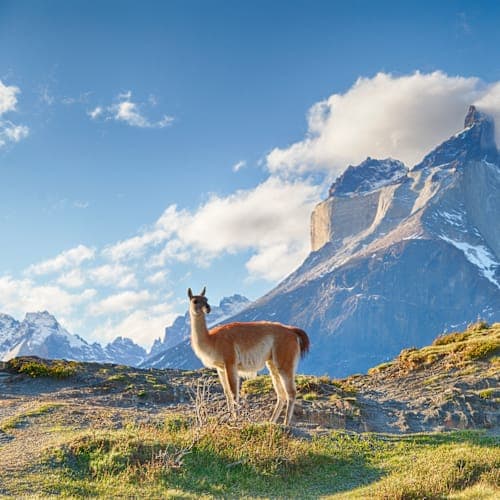
Tango, steak and turn-of-the-century architecture – that's Buenos Aires, the capital of Argentina. In the north of the country, the Iguazú Falls thunder on, while in the south, Patagonia begins: glaciers calving into the sea, rock spires shooting up from nowhere into the sky and penguin colonies along the coast. On the Chilean side of Patagonia, Torres del Paine is one of the most dramatic landscapes on Earth. Chile undoubtedly spans the wildest arc of the continent: in the north lies the Atacama – one of the driest deserts on Earth, feeling like another planet by day and revealing a sky full of stars by night. Uruguay sits between Argentina and Brazil and moves to its own rhythm: Montevideo is compact, vibrant and consistently underrated.