Best time to visit
You can visit Singapore all year round, it's driest between February and September.
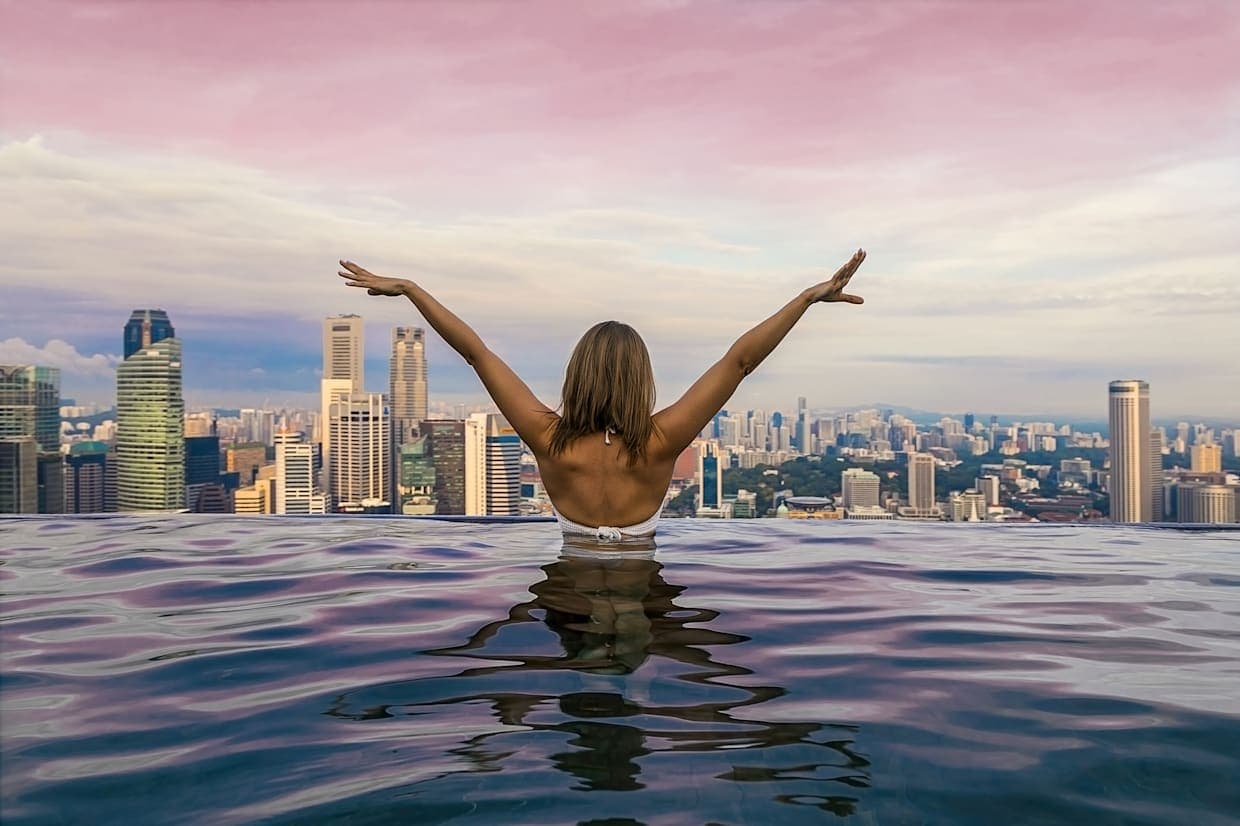
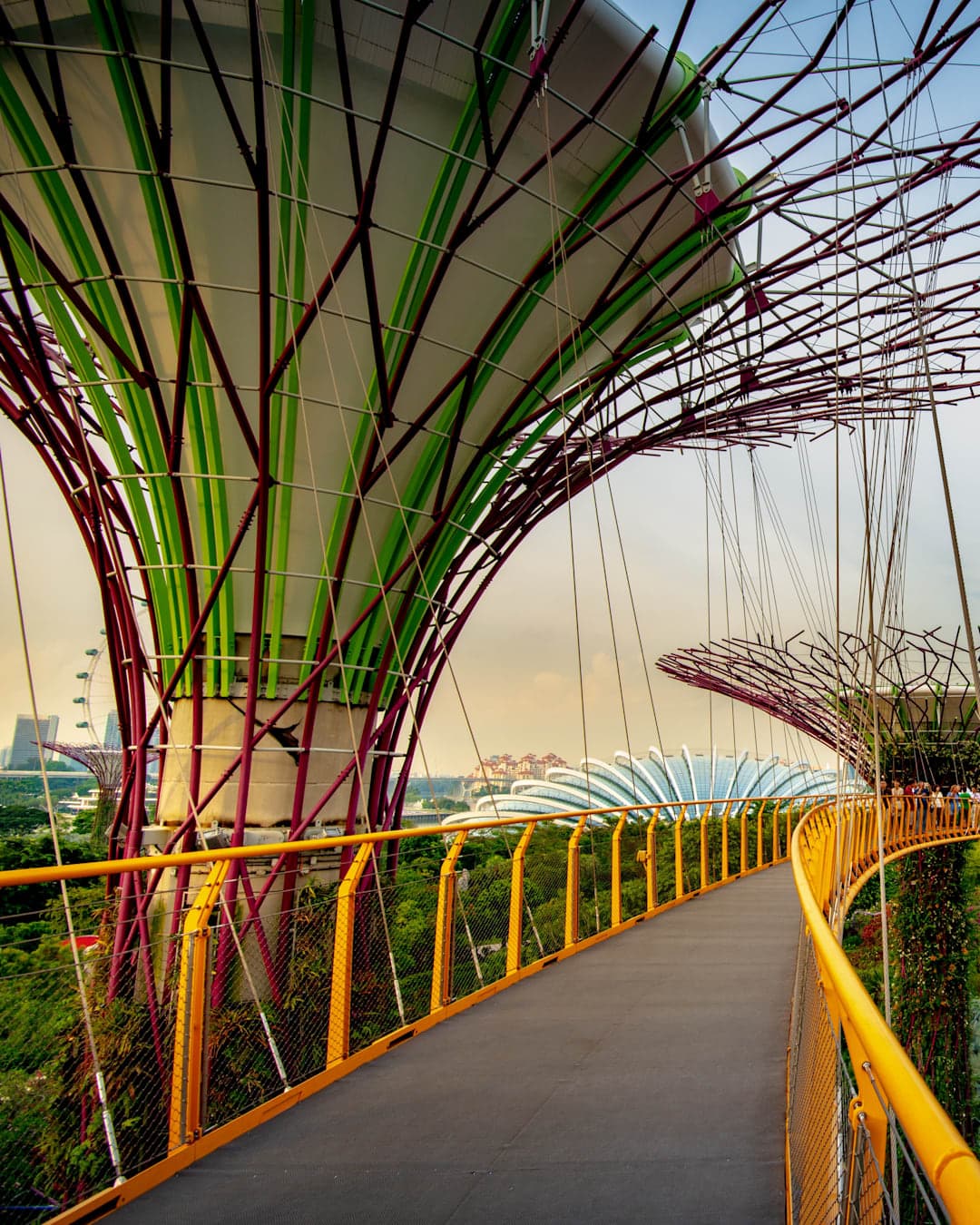
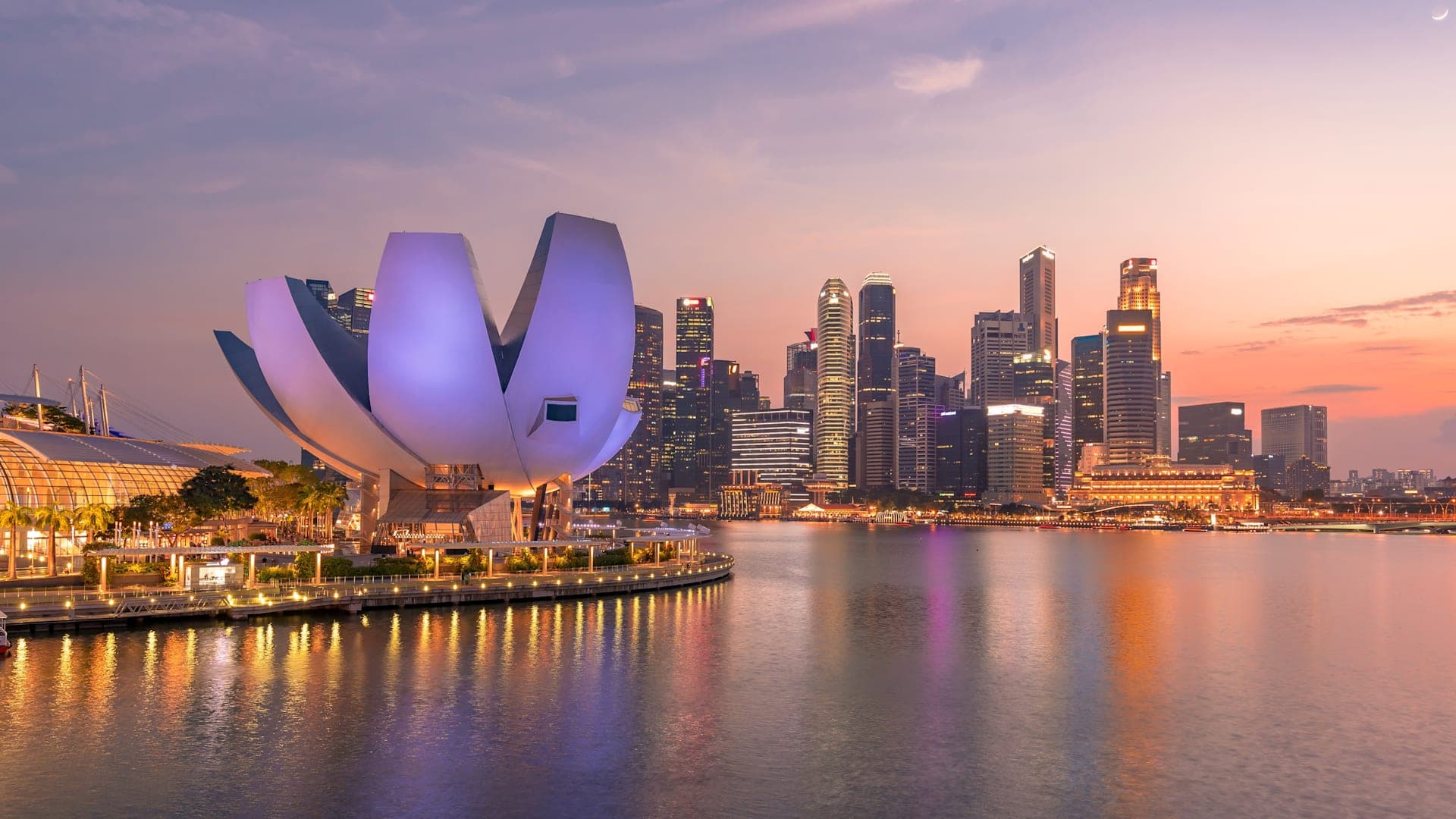
Singapore doesn't fit into a single category – it's too modern for nostalgia, too diverse for just one perspective and too vibrant to tick off in a day. Marina Bay Sands towers over the skyline, the Supertrees at Gardens by the Bay glow into the evening and the Merlion stands quietly as though it's seen it all a thousand times before. During the day, Chinatown smells of spices and fresh noodles, Little India of jasmine and Kampong Glam of coffee. Sentosa sits less than ten minutes away – with white sand, roller coasters and evenings by the water. Singapore is Southeast Asia's most compact highlight: everything is packed into the tightest of spaces, and none of it feels generic.
You can visit Singapore all year round, it's driest between February and September.
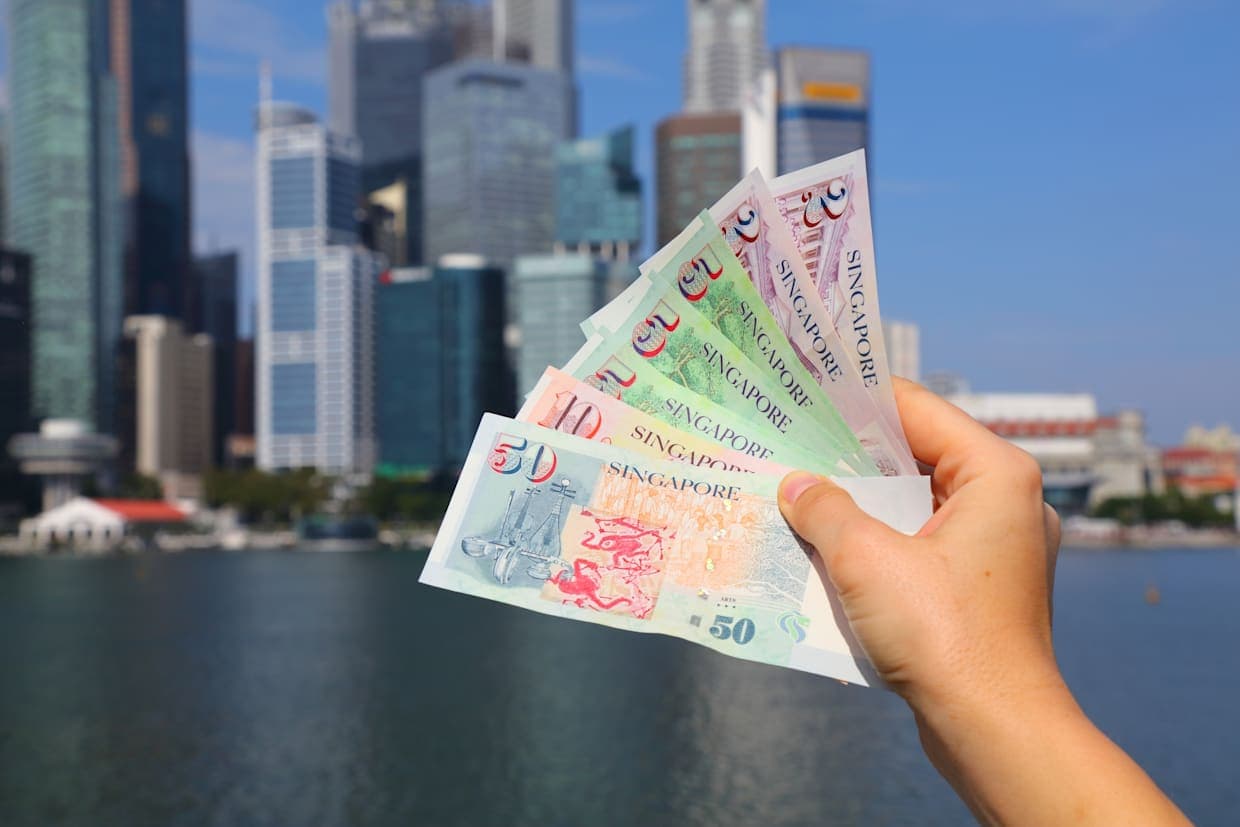
The local currency is the Singapore dollar (SGD).
A direct flight from the UK takes around 12 hours.

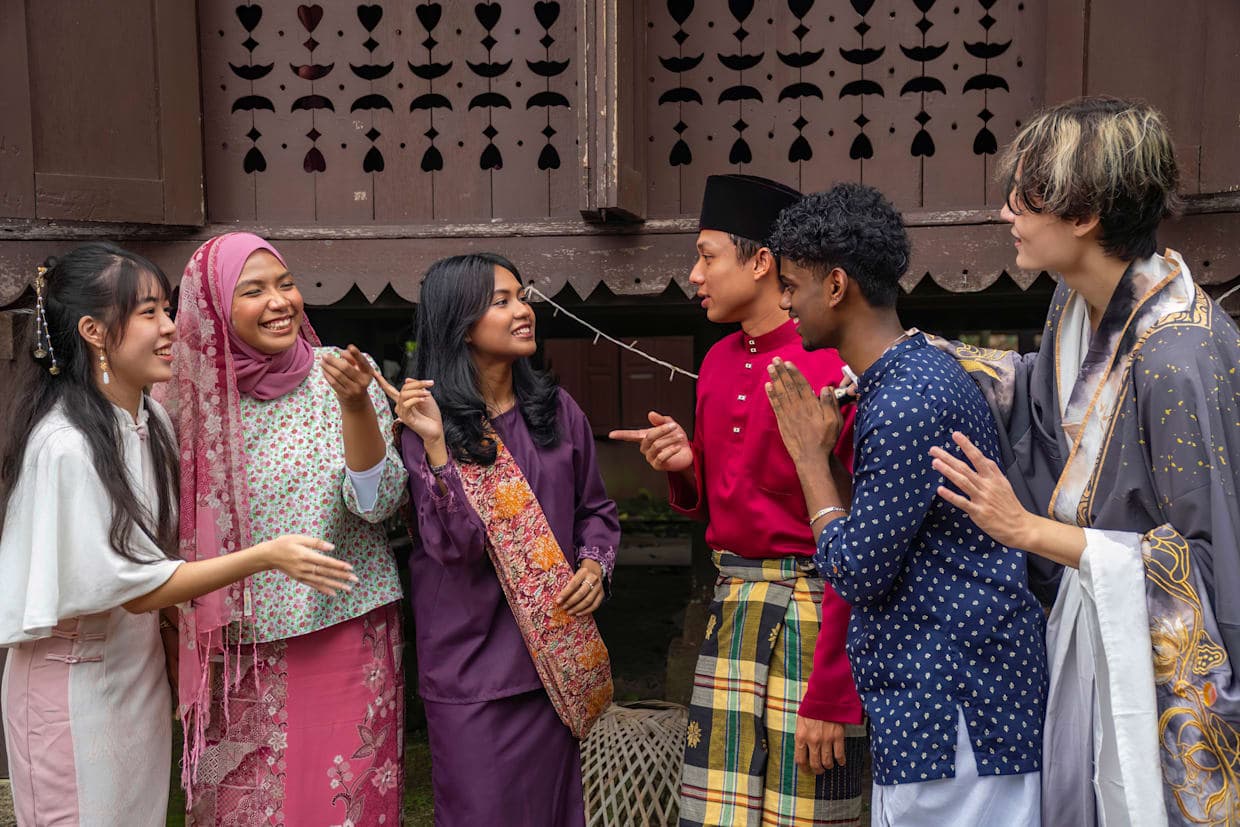
Singapore has four official languages: English, Mandarin, Malay and Tamil. In everyday life, English is the dominant language.
Singapore is full of highlights, but these must-sees belong on your bucket list.
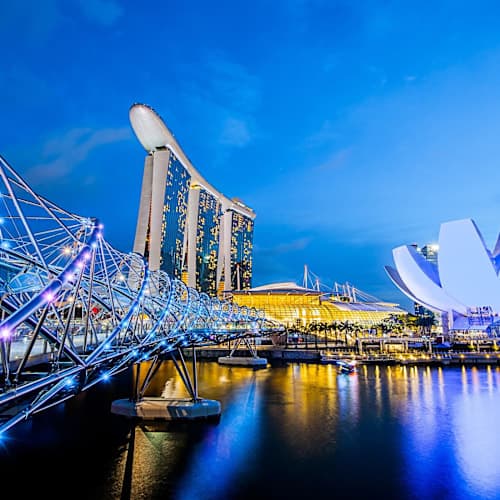
Singapore shows its futuristic face at Marina Bay – architecture, light and water come together here as though someone redesigned the city from the ground up. The iconic Marina Bay Sands towers over everything, with its infinity pool at 200 metres offering sweeping views of a skyline that never sleeps. Right next door, the glowing Supertrees at Gardens by the Bay rise into the evening sky. Walk a little further and you'll cross the Helix Bridge to the ArtScience Museum, its lotus shape reflected in the water. In the evening, everyone heads to Clarke Quay – restaurants line the river, lights shimmer on the surface and the buzz of the place feels just right.
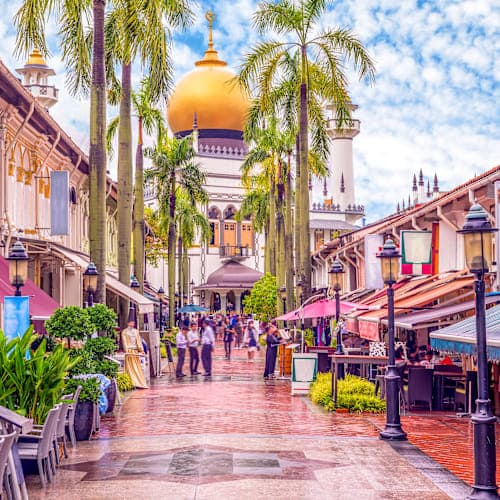
Singapore smells different depending on where you're standing, and that's one of the best reasons to explore the city on foot. In Chinatown, temples, teahouses and hawker centres are packed into the tightest of spaces: the Buddha Tooth Relic Temple glows red and gold, while noodle pots steam away just behind it. Little India changes the picture entirely – jasmine garlands, spice shops and music drifting through open doors. Kampong Glam completes the circle: the Sultan Mosque rises above the rooftops, with Haji Lane below it full of street art and small cafés. All three neighbourhoods feel like three different worlds, and they're just an hour's walk apart.
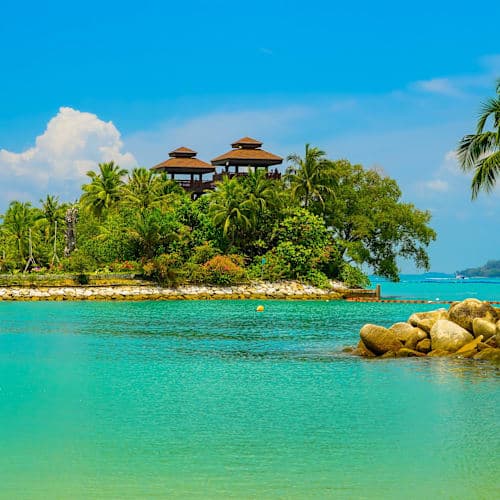
Sentosa Island sits less than ten minutes from the city centre – with white sand, Universal Studios Singapore and the S.E.A. Aquarium, home to one of the largest underwater panoramas in Asia. In the evening, the island transforms entirely: waterfront restaurants, light shows and an atmosphere that feels distinctly different from the rest of the city. If you're after Singapore's greener side, head to the Bukit Timah Nature Reserve – you'll find rainforest right in the middle of the city, with monkeys crossing your path. The Singapore Botanic Gardens offer a quieter pace: they're a UNESCO World Heritage Site with orchids stretching as far as the eye can see. Over on Pulau Ubin, you'll discover a Singapore that time has forgotten – kampung houses, muddy trails and not a single high-rise in sight.

Singapore is the perfect starting point for Southeast Asia. A ferry, a short flight or a train journey – the region opens up from here in every direction. If you combine it with Malaysia, you'll travel through Georgetown and Kuala Lumpur all the way to the Cameron Highlands – everything is within reach and all on the route. Thailand is just a short flight away and offers a completely different side of Southeast Asia: temple ruins, beach shacks and a pace that feels worlds apart from Singapore. If you want to dive even deeper into the region, fly to Borneo – rainforest, orangutans and a wilderness that makes Singapore's skyline feel like a distant memory.