Best time to visit
Peru can be visited year-round. The best time to visit depends on where you're headed.
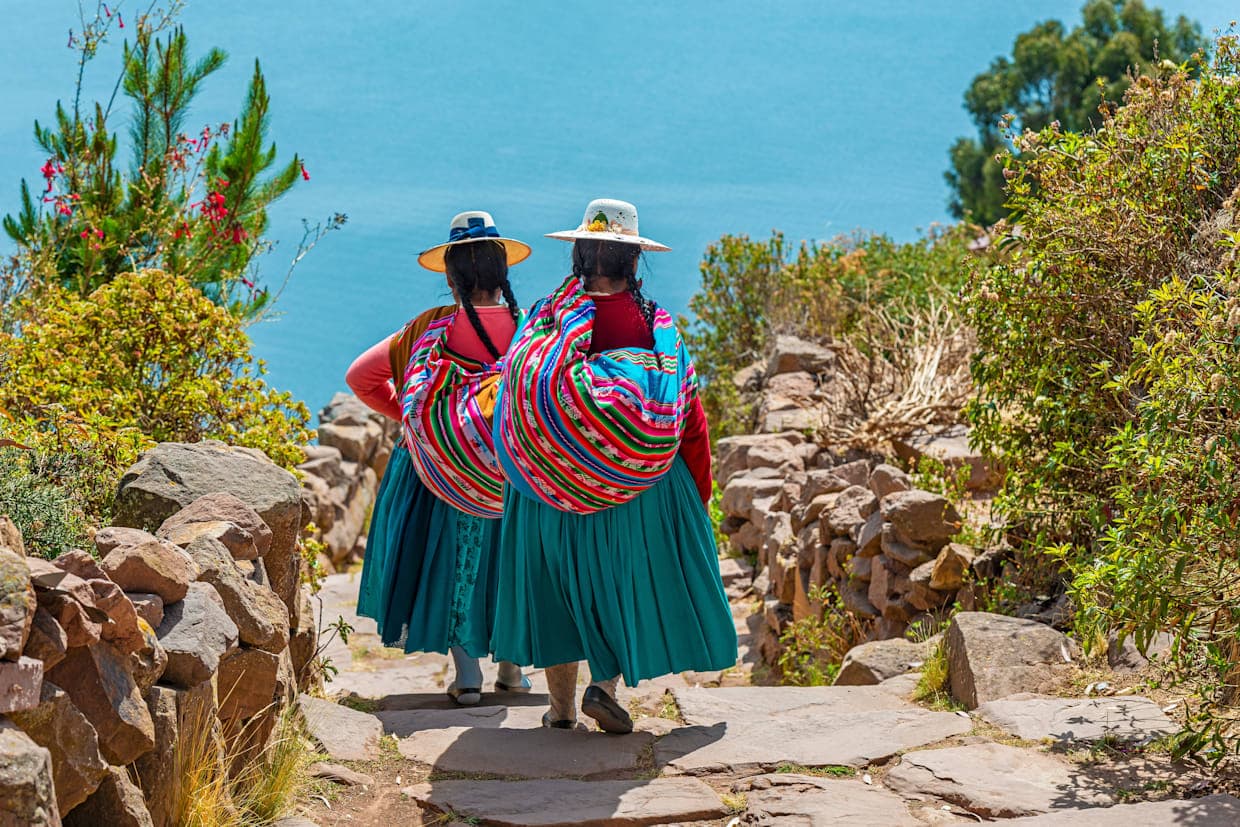
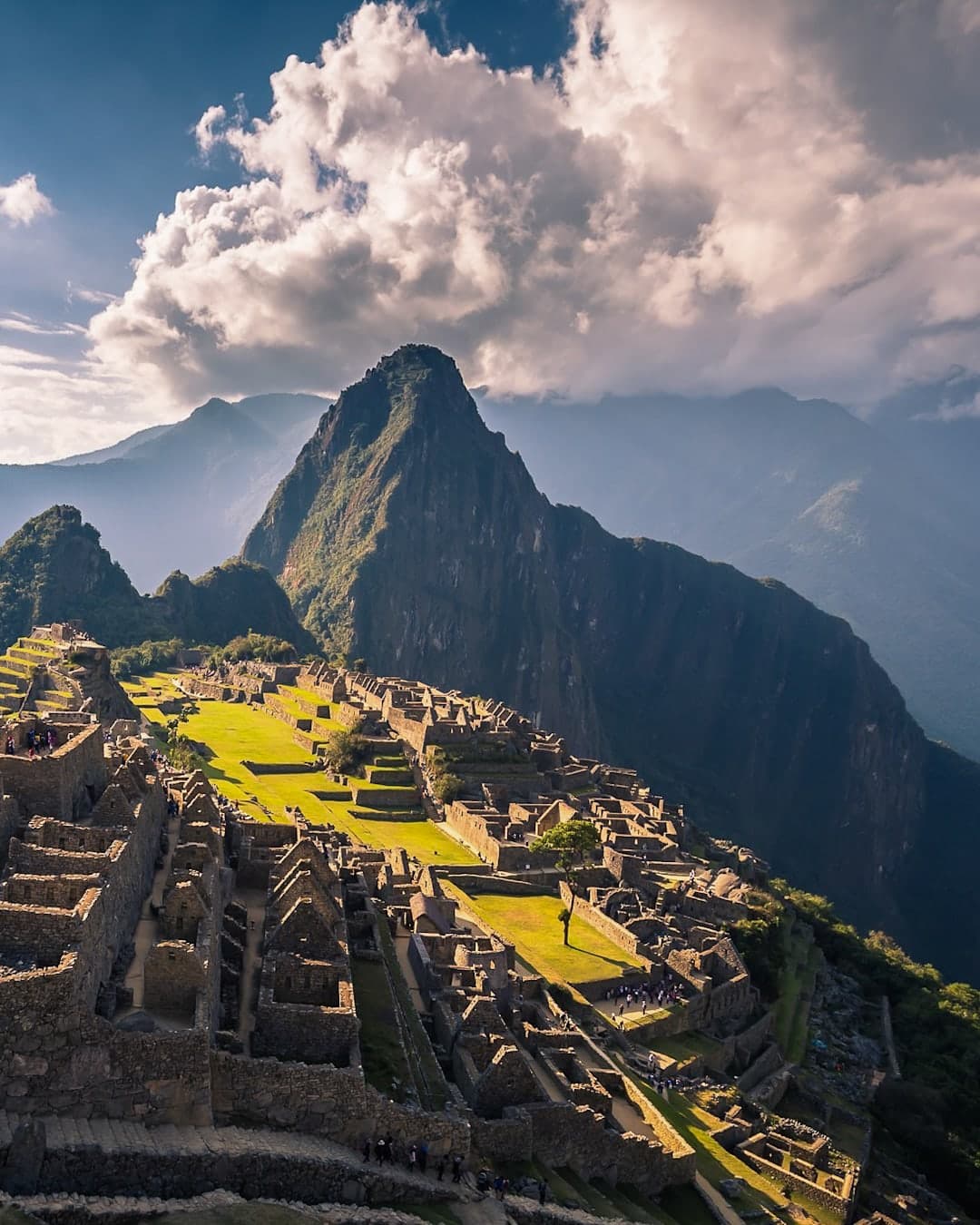
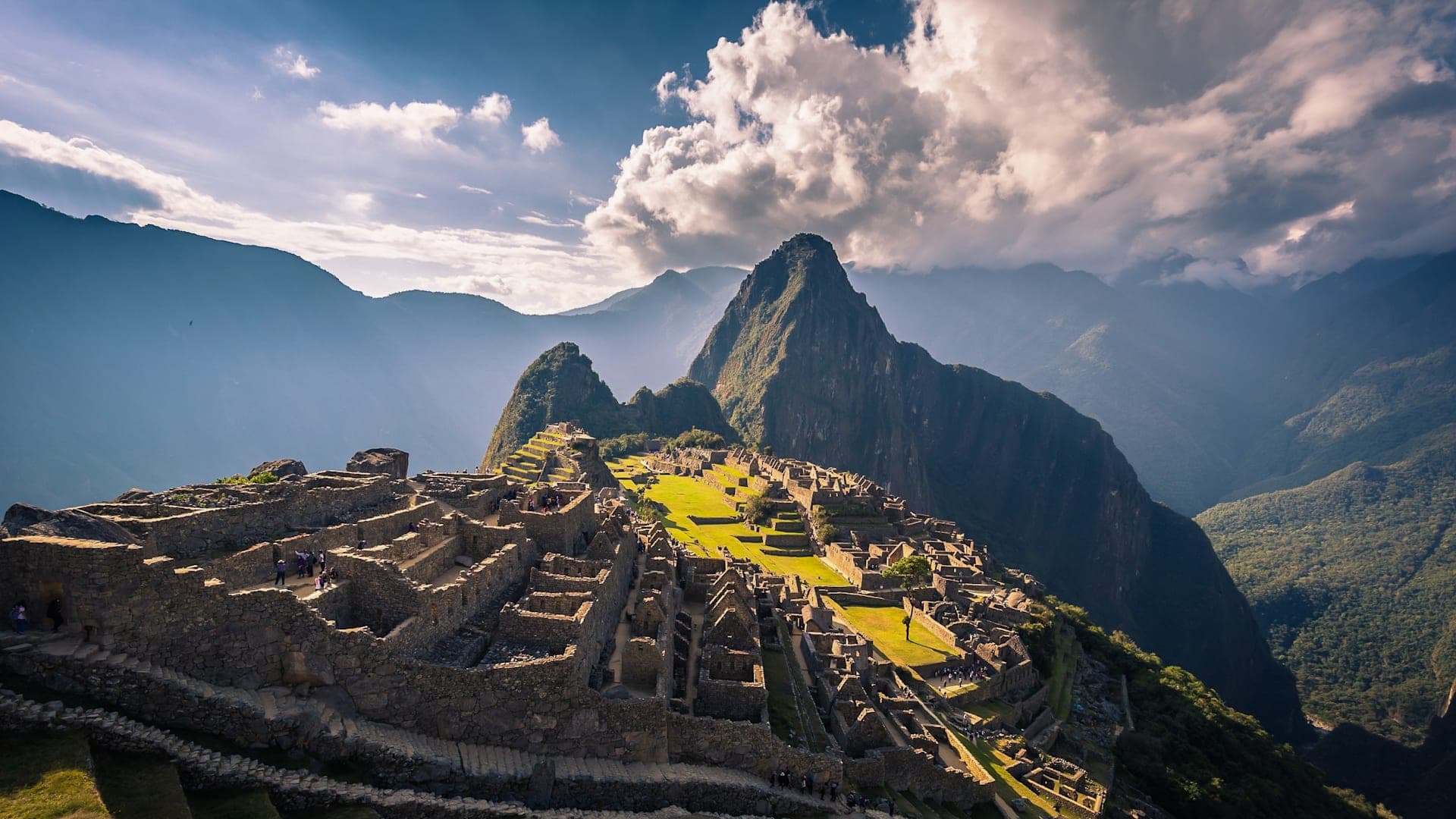
Peru stacks landscapes on top of one another: Pacific coastline at sea level, Andean passes at 4,000 metres and rainforest beyond – often all in a single day. Machu Picchu clings at 2,430 metres between clouds and mountain peaks, the air thin and smelling of wet stone. The Nazca Lines stretch across the desert, visible only from above and over 1,500 years old. Away from the main trail, you'll find Choquequirao – Machu Picchu's quieter sister – and the Gocta waterfall, 771 metres in two drops. Lima smells of ceviche and lime in the evenings, and on Lake Titicaca a cold wind blows across floating reed islands. Peru measures itself in altitude, not kilometres.
Peru can be visited year-round. The best time to visit depends on where you're headed.
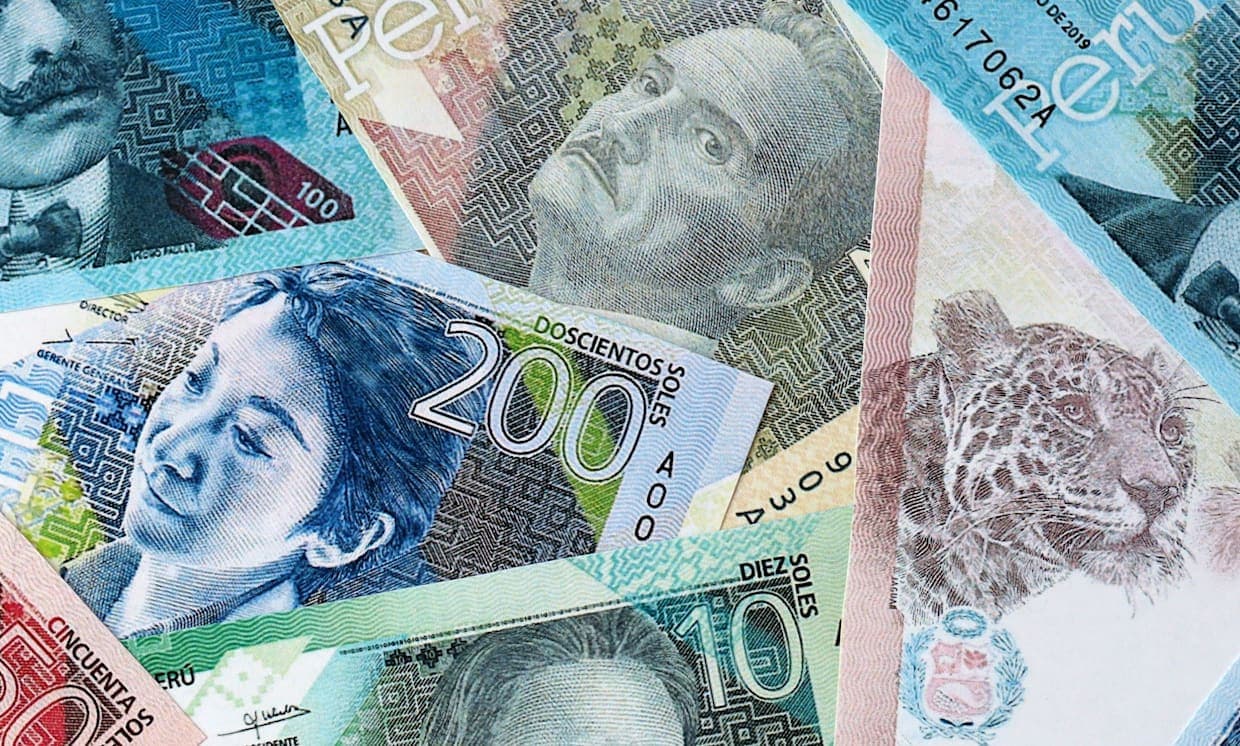
Peru's currency is the Peruvian sol (PEN).
A flight from the UK to Peru takes around 16 to 20 hours with a stopover.

The official language is Spanish, but in tourist areas you'll get by well with English.
Peru is full of highlights, but these must-sees belong on your bucket list.
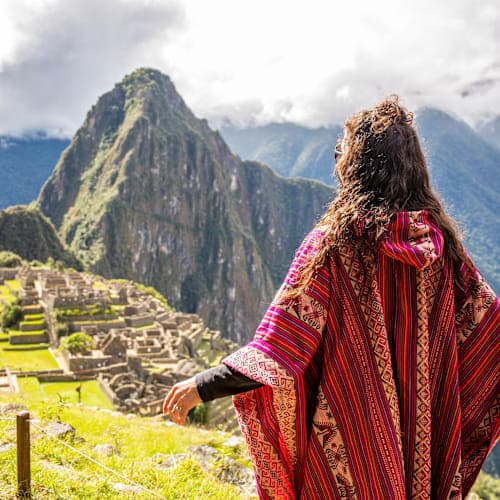
Cusco welcomes you at over 3,400 metres, the air thin and the alleyways steep. The Inca walls of Sacsayhuamán fit together without mortar, as though someone solved a puzzle made of boulders. From Cusco, the Sacred Valley drops away along the Urubamba, past the markets of Pisac, the stone channels of Ollantaytambo and the terraces of Moray and Maras. At the end of the valley, the Inca Trail or the Salkantay Trek begins – several days through eucalyptus forest and damp earth until Aguas Calientes appears by the river. Then you climb Huayna Picchu and see Machu Picchu from the vantage point that otherwise only the condors enjoy.
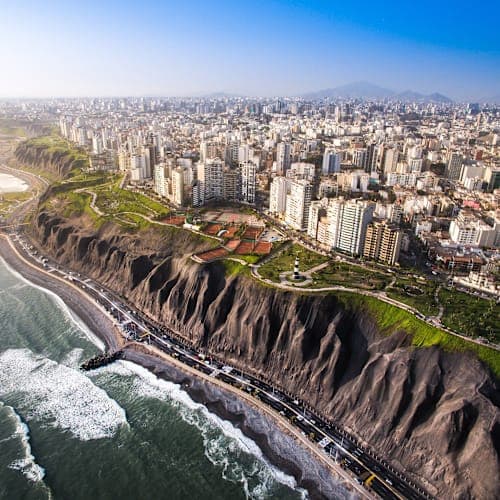
Steep cliffs separate Lima from the Pacific – from the promenade in Miraflores you look out over the open sea, while in Barranco you'll find street art and live music. The coast stretches north from here: first the mud pyramids of Pachacamac, 1,500 years old, then Chan Chan near Trujillo, once the largest mud brick city in the Americas. In the fishing village of Huanchaco, reed boats still glide into the water today. Further north, one of the longest waves in the world breaks at Puerto Chicama. The wind drives salt across the sand. At the end of the coast lies Máncora: warm water, kilometres of beach and sunsets that sink into the Pacific.
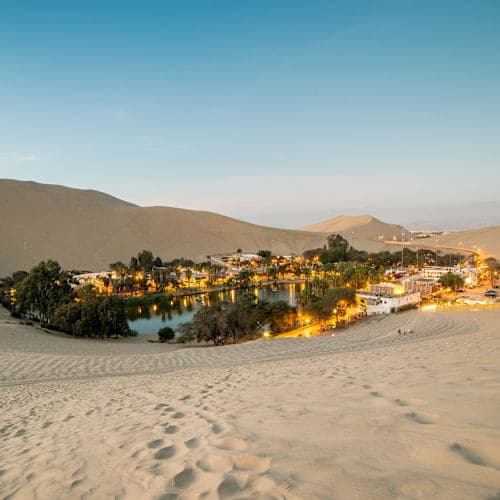
The Nazca Lines etch hummingbirds and spiders into the desert, drawn over 1,500 years ago by people who never saw them from above. Near Ica, the oasis of Huacachina sits in the middle of sand dunes, the sand crunching underfoot with every step. Off Paracas, sea lions and Humboldt penguins share the Ballestas Islands with thousands of seabirds. Further south, Arequipa displays bright sillar facades, with the Santa Catalina Monastery sitting at its heart like a small city within a city. From there, the road leads to the Colca Canyon, over 3,400 metres deep, where you stand at the Cruz del Condor and watch Andean condors circle above the void.
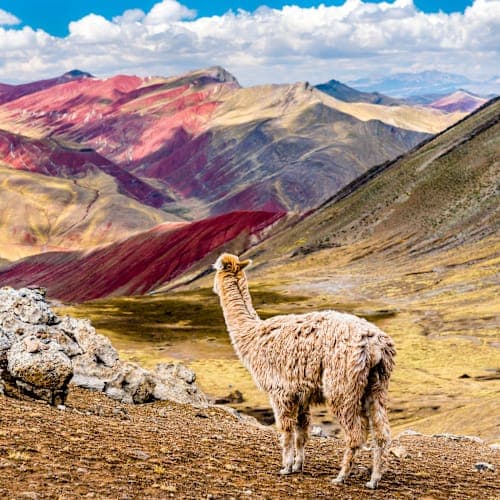
The Andes start showing colours at 5,000 metres that simply don't exist further down. At the Rainbow Mountain of Vinicunca, the ground glows in red, yellow and turquoise, with the Red Valley stretching alongside it and icy air cutting into your face. The Ausangate Trek circles the 6,384-metre peak of the same name, while the Huayhuash Trek near Huaraz leads deeper into the Cordillera. Further down, the world changes: along the Lares Trek, looms clatter, women dye alpaca wool by hand and hot springs warm weary legs. On the Choquequirao Trek, the jungle reclaims Inca terraces. On Lake Titicaca, the floating Uros Islands of reed sway gently beneath your feet.
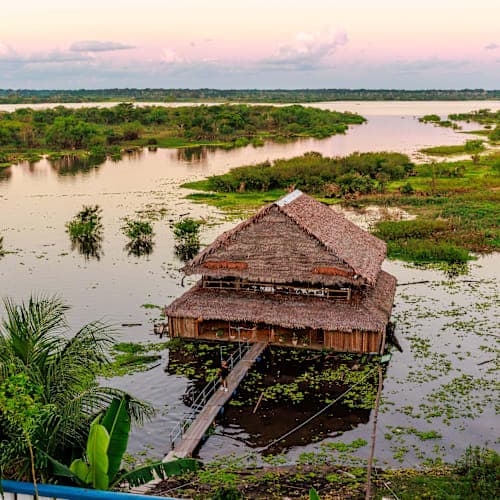
Iquitos is the largest city in the world with no road connection – accessible only by boat or plane. The warm, humid air hits you the moment you step off. From Puerto Maldonado, tours head into the Tambopata National Reserve, where hundreds of macaws screech as they land on clay licks. In Manu National Park, over 1,000 bird species make their home, the calls of howler monkeys echo through the jungle and at night the insects chirp so loudly that you find yourself raising your voice. Far to the north, the Gocta waterfall thunders 771 metres into the depths below, its mist settling on the moss-covered walls of the Kuelap fortress – older than Machu Picchu.