Best time to visit
The dry season from mid-December to mid-April is considered the best time to visit: plenty of sunshine, barely any rain and ideal conditions for sightseeing and beach days.
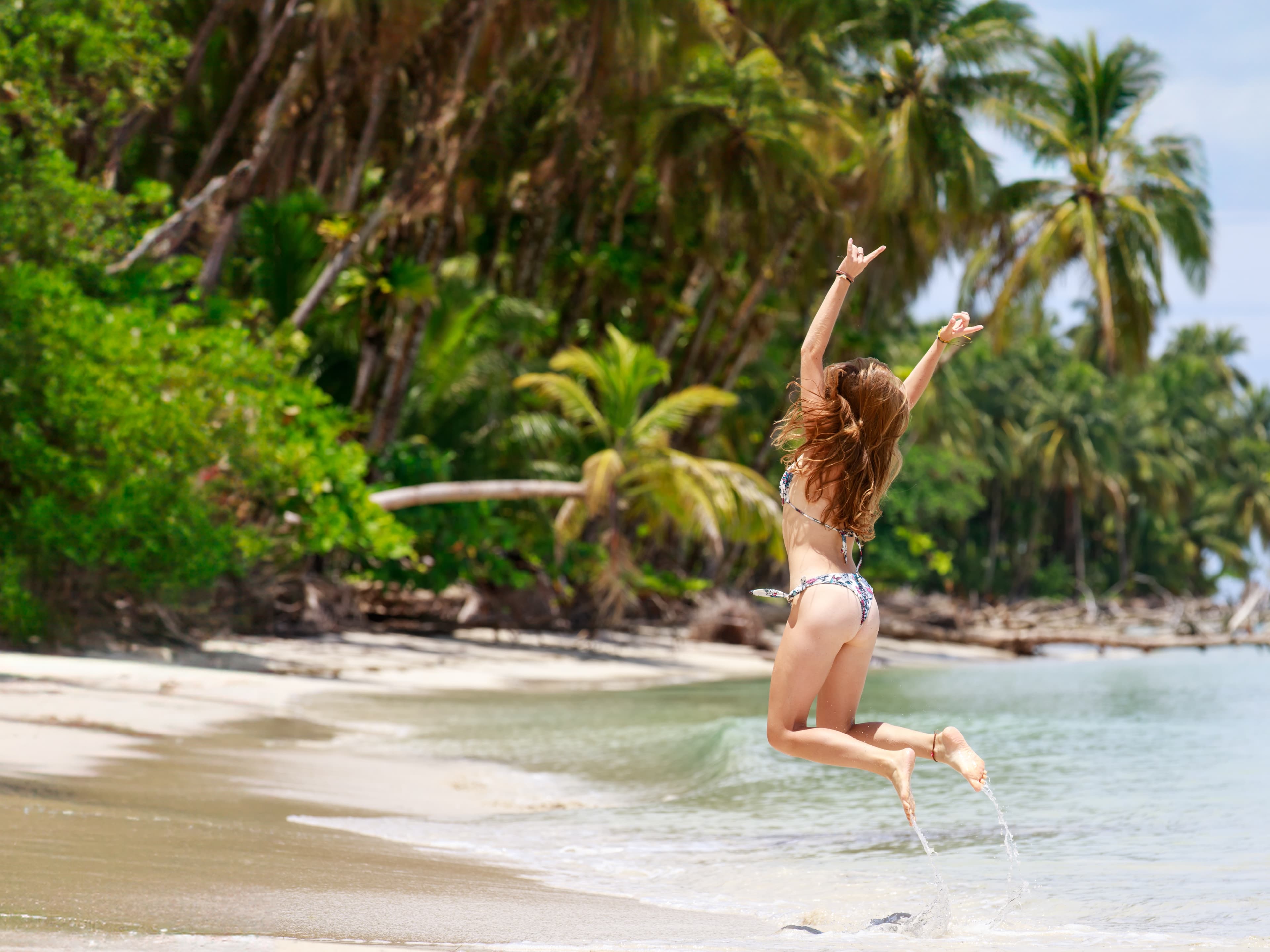
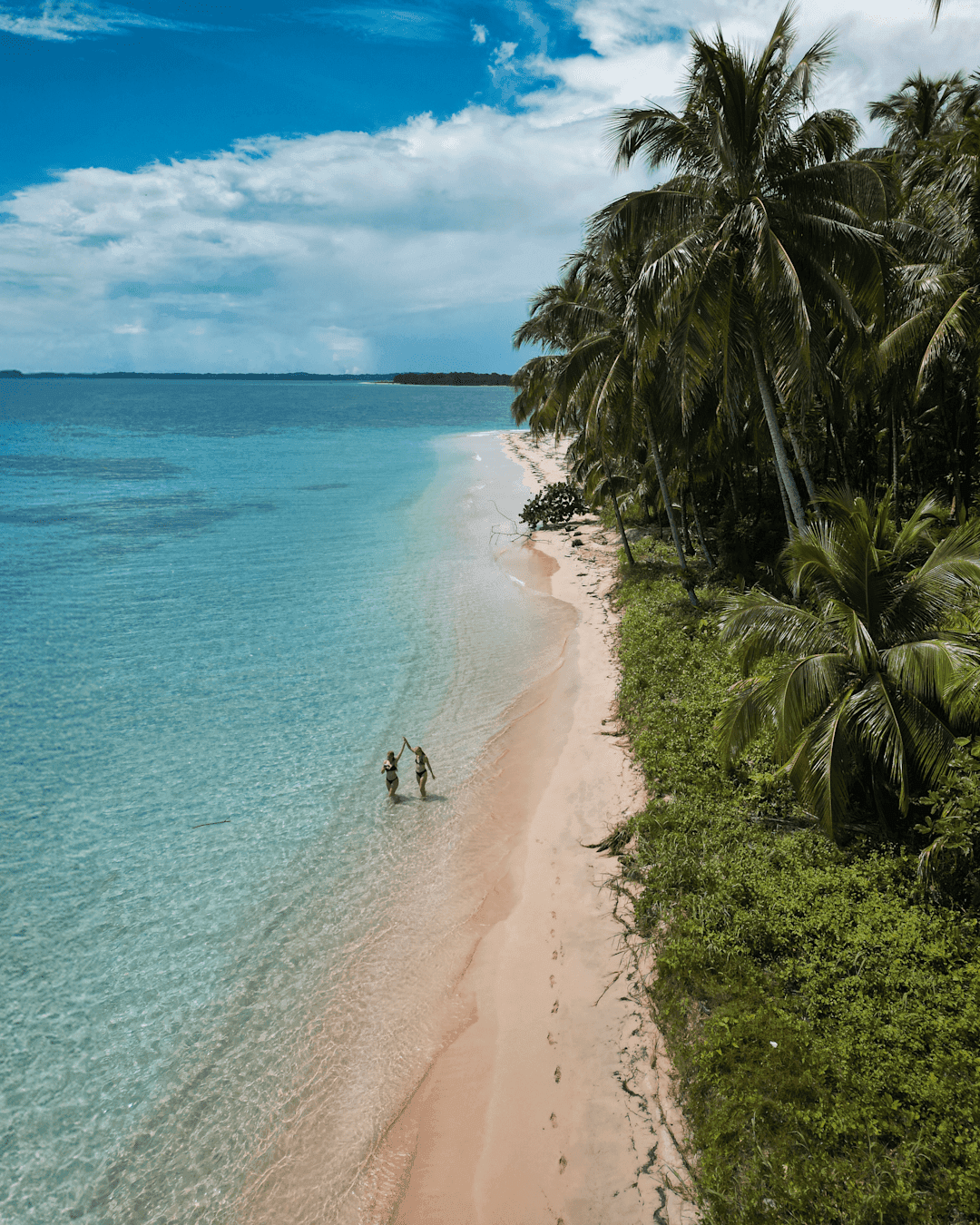
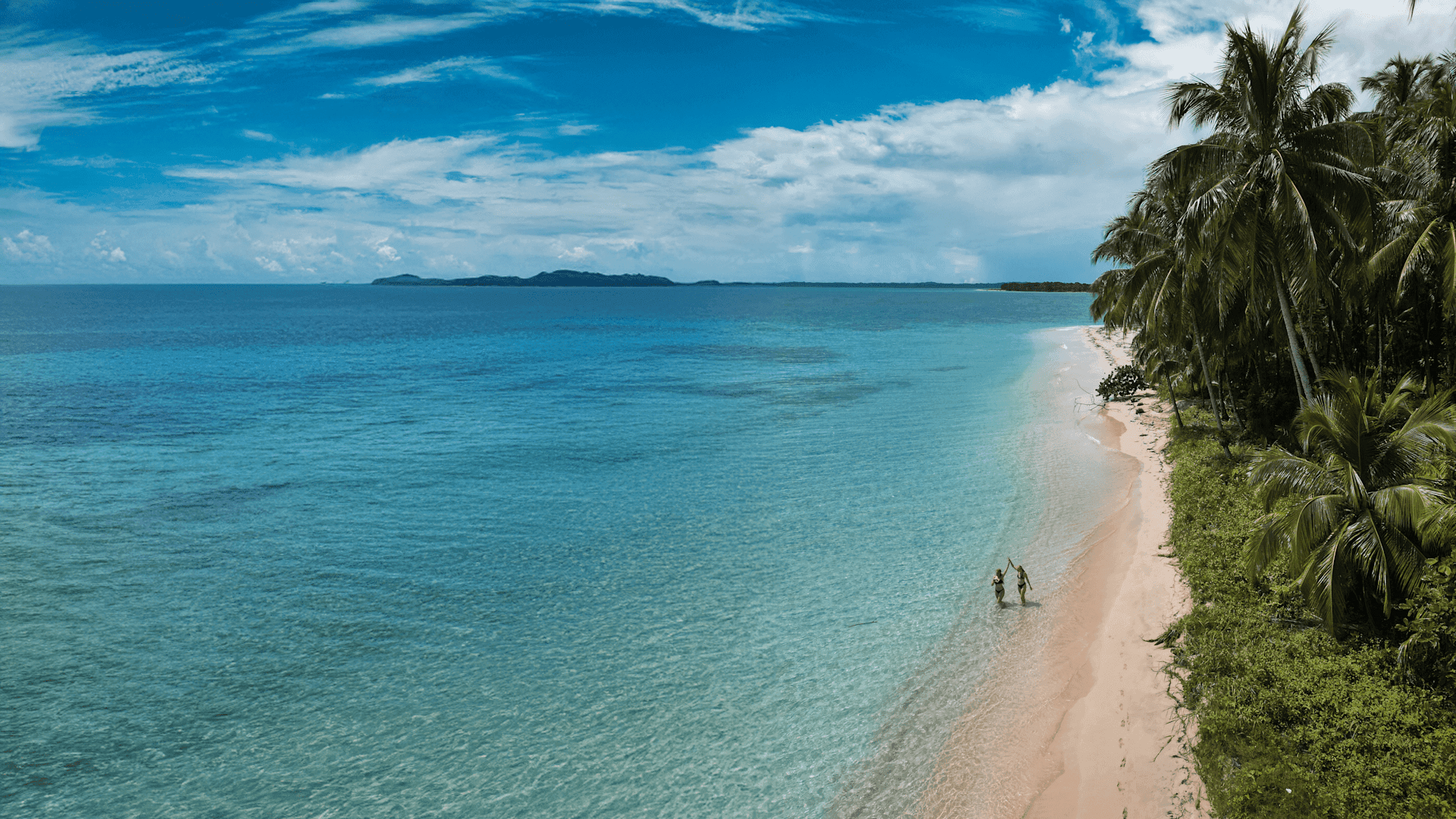
Panama pushes 82 kilometres of waterway between two oceans. In Panama City, skyscrapers push back against the Pacific, while in Casco Viejo colonial buildings line up alongside rooftop bars. The San Blas Islands of the Guna people consist of warm sand and a few palm trees – no electricity, no internet, just water so clear you can see the bottom. In the highlands of Boquete, the air smells of roasted coffee and on the Pacific coast you ride the waves. In between, damp rainforest echoes with the calls of howler monkeys and sloths hang motionless in the treetops. Panama is small enough for two weeks and big enough to bring you back.
The dry season from mid-December to mid-April is considered the best time to visit: plenty of sunshine, barely any rain and ideal conditions for sightseeing and beach days.
The official currency is the balboa, but in practice the US dollar is used almost exclusively.

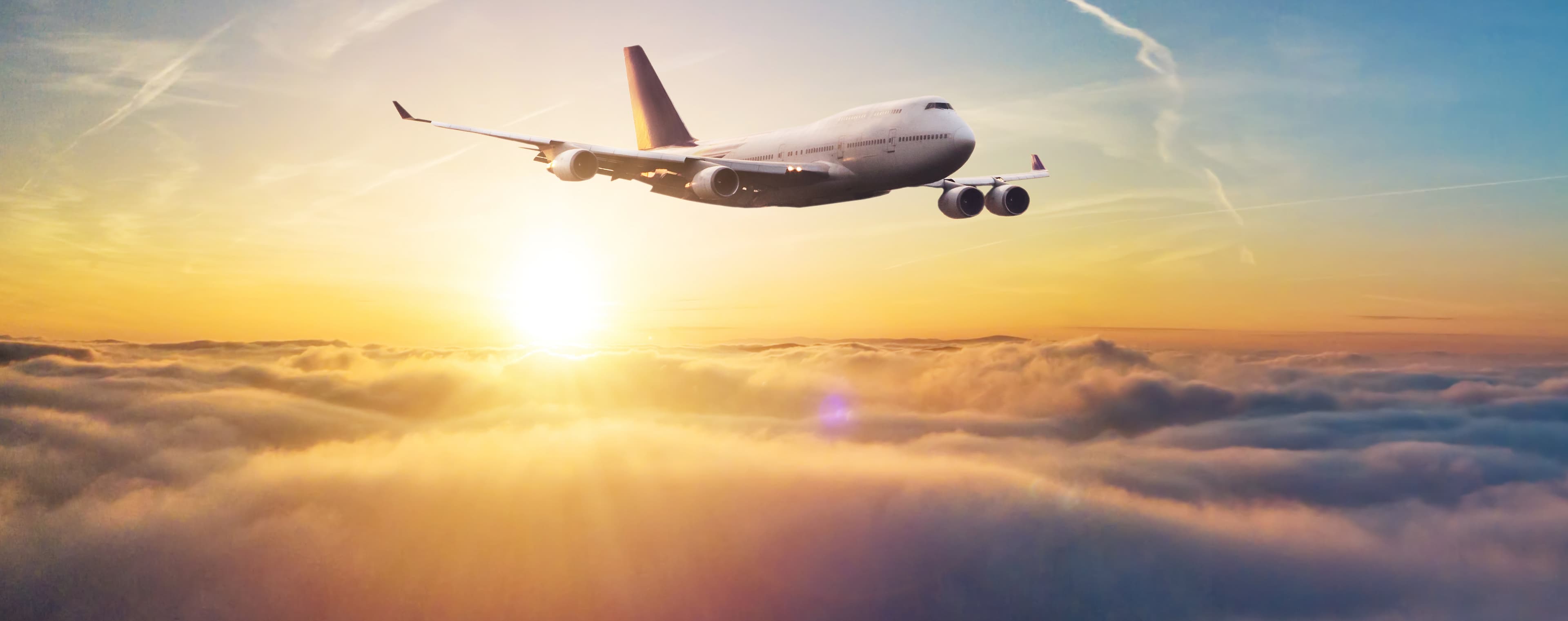
A flight from the UK to Panama takes around 14 to 17 hours with a stopover.
The official language is Spanish. In Panama City and the main tourist areas, you'll get by well with English.
Panama is full of highlights, but these must-sees belong on your bucket list.
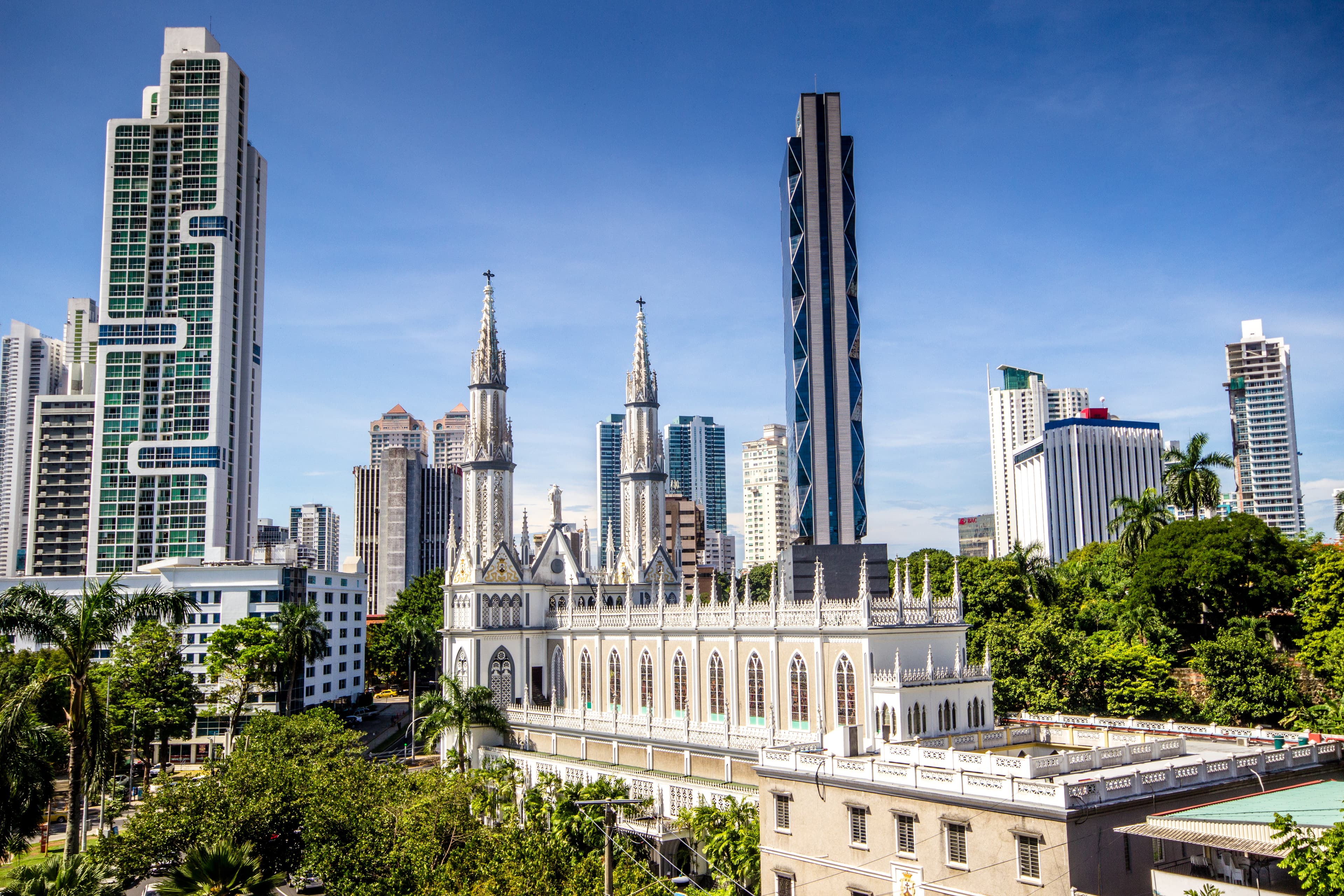
Panama City presses gleaming skyline and colonial history side by side. In the banking district, skyscrapers push back against the Pacific, while just minutes away the restored colonial buildings of Casco Viejo have been under UNESCO protection since 1997. On Calle 3, the smell of fried plantains drifts out from small fondas, and on the Amador Causeway Frank Gehry's colourful Biomuseo floats between the canal and the sea. The ruins of Panamá Viejo, over 500 years old, rise from the greenery and the church tower can be climbed. And when you return by boat from Isla Taboga, the brightly painted Diablos Rojos are already rattling past you again.
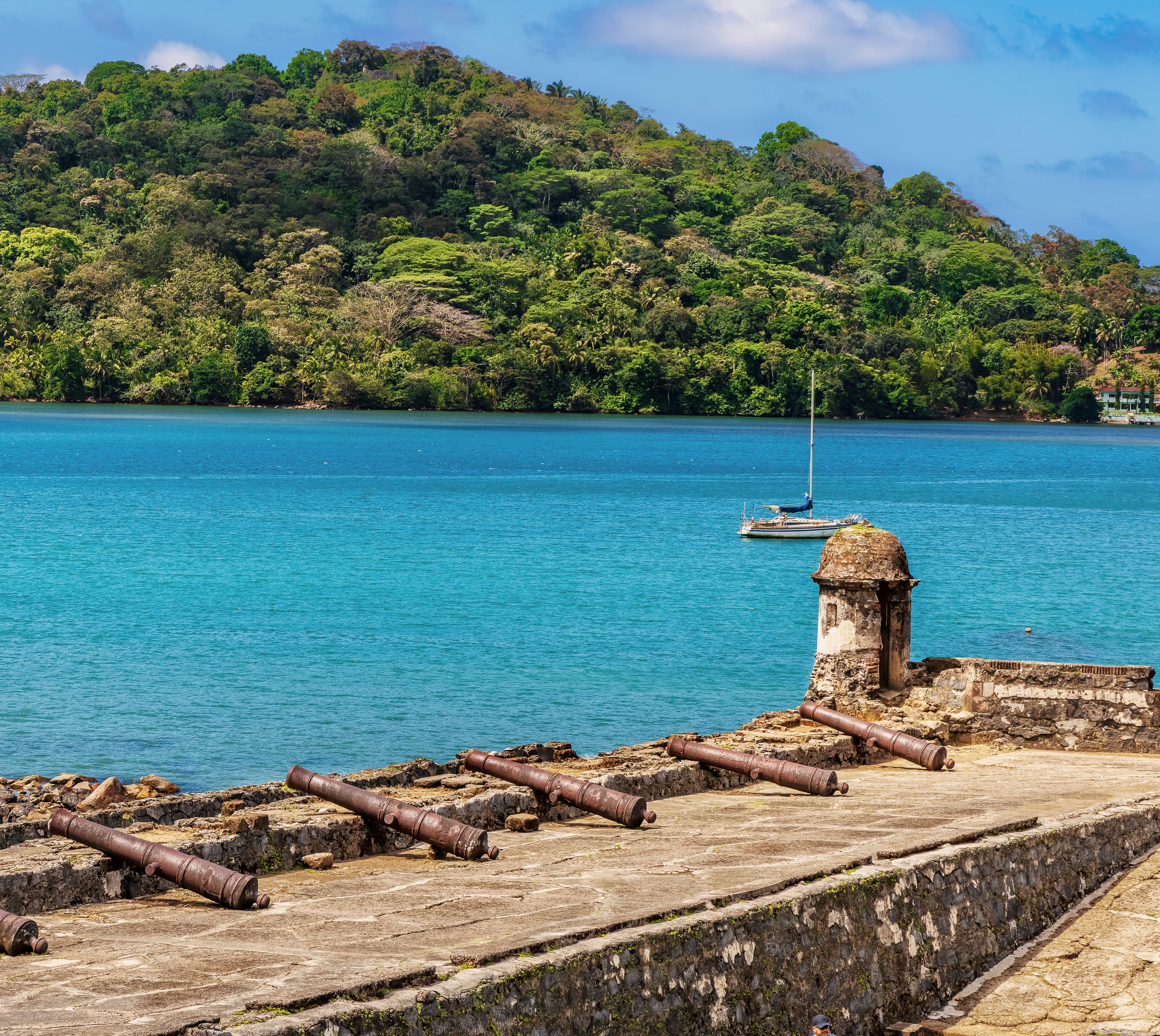
Eighty-two kilometres of waterway, a 26-metre difference in elevation and around 14,000 ships per year: at the Panama Canal, you feel the vibration of the lock gates as freighters inch through with centimetres to spare. Gatún Lake stretches across a third of the route, lined with dense rainforest from which howler monkeys call. On the Caribbean coast near Colón, Portobelo defies decay – this is where gold was once stored before being shipped to Europe. Moss-covered cannons still stand at the water's edge. By boat you can reach Isla Grande, where reggae drifts from the beach bars and coconut palms reach all the way down to the turquoise water.
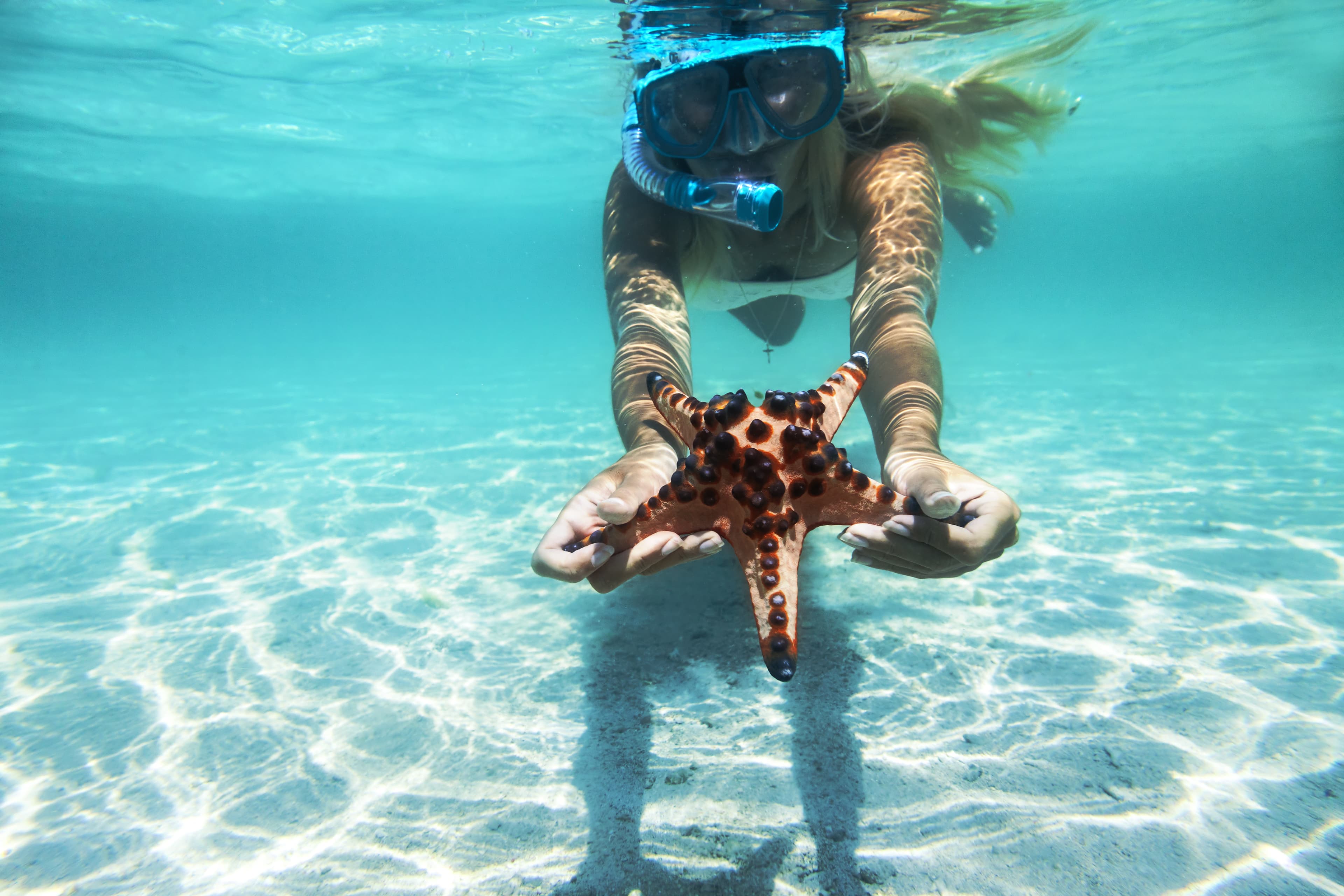
365 islands, one for every day of the year: the San Blas Islands in Guna Yala consist of powder-white sandbars with often just a handful of palm trees. No electricity, no internet – just water so clear you can see the bottom three metres down. Bocas del Toro strikes a different note: on Isla Colón the waves break at Bluff Beach, while at Starfish Beach sea stars rest motionless in knee-deep water. Isla Bastimentos smells of damp earth and salt, with paths leading through jungle to wild beaches. Back on the mainland, a boat takes you upriver to the villages of the Emberá people, where residents wave from the bank and the rainforest reaches all the way to the water's edge.
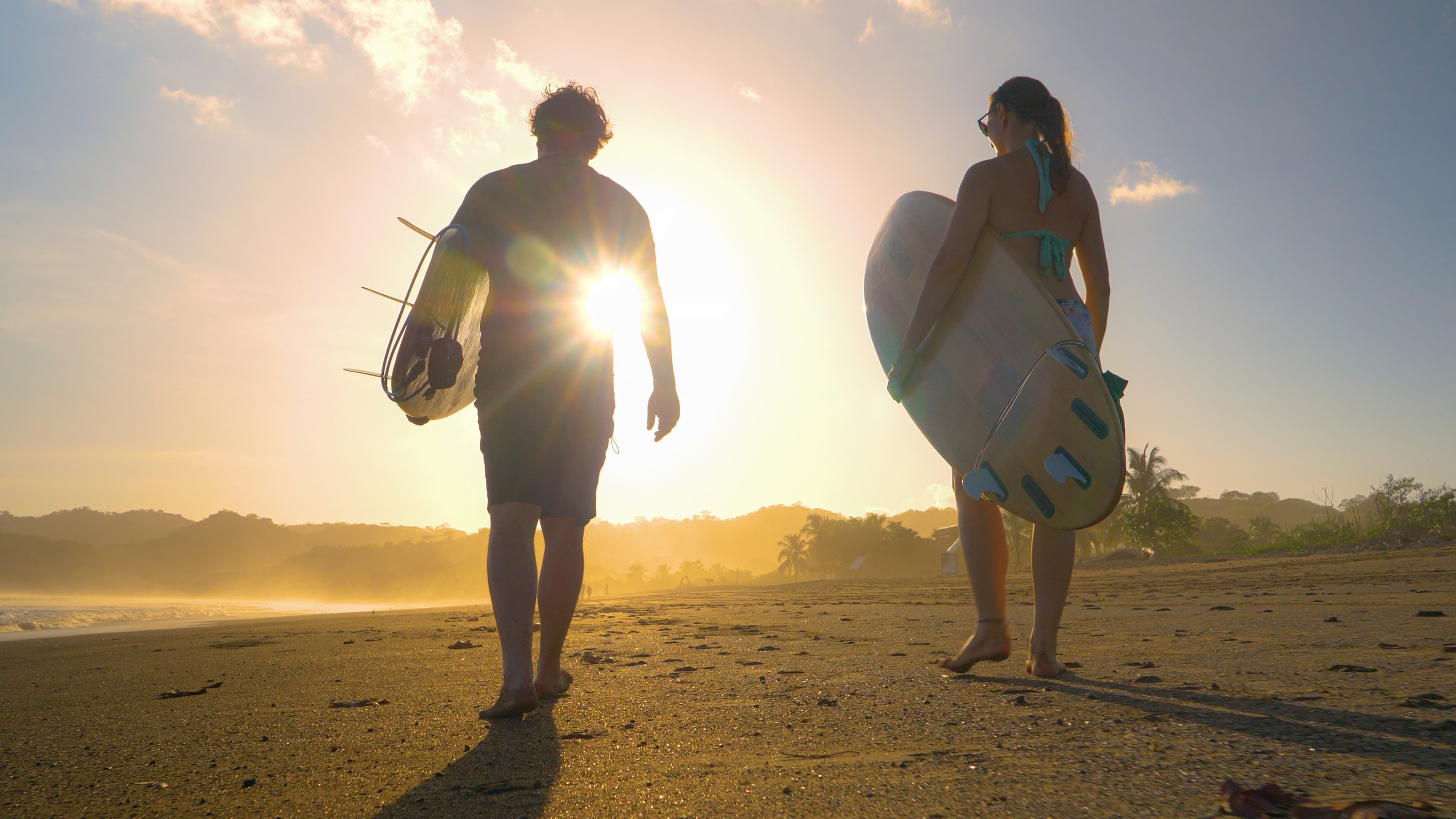
Santa Catalina wakes to the sound of breaking waves. You paddle out and at Big Creek surf spot the wave breaks directly over the reef. In the afternoon you're on a boat heading to Coiba National Park, a UNESCO World Heritage Site, where whale sharks and rays glide past as you dive. The coast to the south belongs to the surfers: the horseshoe-shaped Playa Venao near Pedasí draws surfers from around the world, while Playa Las Lajas stretches so far that the sand disappears into the haze. Near Punta Chame, the wind sends kitesurfers skimming across mirror-flat water. By boat you can reach the Pearl Islands and Contadora, or cross to Boca Chica on the Gulf of Chiriquí. Panama's Pacific coast has no off-season.
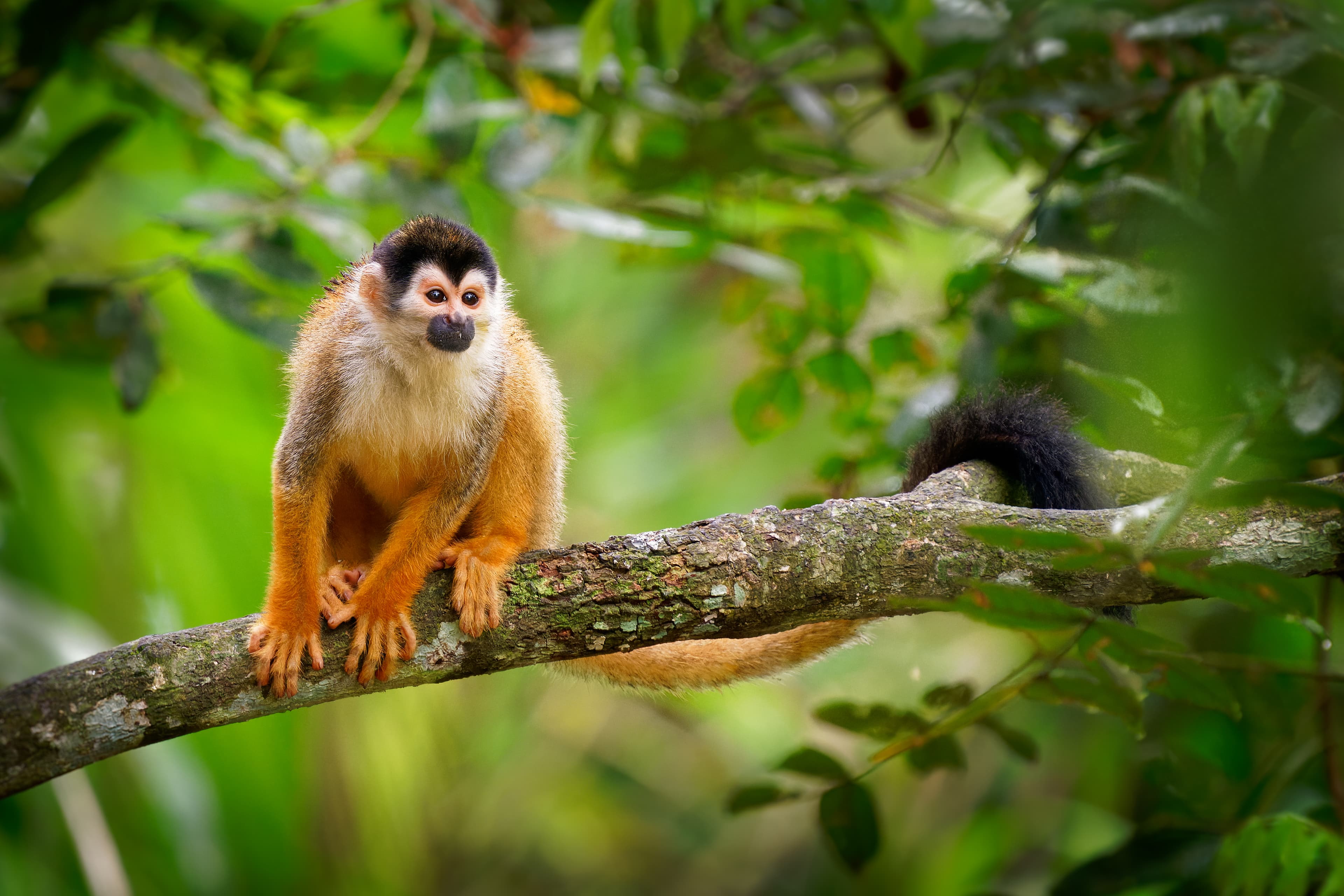
Boquete smells of freshly roasted coffee. This mountain town in the Chiriquí province is the gateway to dense rainforest, where hummingbirds dart between orchids and, with a little luck, a quetzal flashes through the forest canopy. Set off early enough and you'll be standing on Volcán Barú at sunrise, at 3,474 metres Panama's highest peak, with both the Pacific and the Caribbean visible at the same time. In the jungle surrounding the volcano, howler monkeys call and sloths hang motionless in the treetops. El Valle de Antón fills up on Sundays with market stalls and the steam of hot springs. A volcanic crater with an entire village living inside it.