Best time to visit
Canada can be visited at any time of year – the right time to go depends on what you want to see and where you're heading.
Canada is bigger than it looks on the map – and more extraordinary than any expectation. In the west, the Rocky Mountains reach into the sky; in the east, metropolises pulse along the St Lawrence River; and in between lie national parks, Pacific coastlines and forests with no visible end. Canada is the land of road trips: by hire car, you'll speed along the Icefields Parkway between glaciers and turquoise lakes, wind your way through Banff and Jasper or link Toronto, Niagara Falls and Montréal into your own eastern loop. You choose the route, the pace and the stops – and Canada answers with mountain ranges, bear encounters and nights beneath a sky full of stars.
Canada can be visited at any time of year – the right time to go depends on what you want to see and where you're heading.
Canada's currency is the Canadian dollar (CAD).

A direct flight takes up to 10 hours.

Canada is officially bilingual – English and French are both official languages.
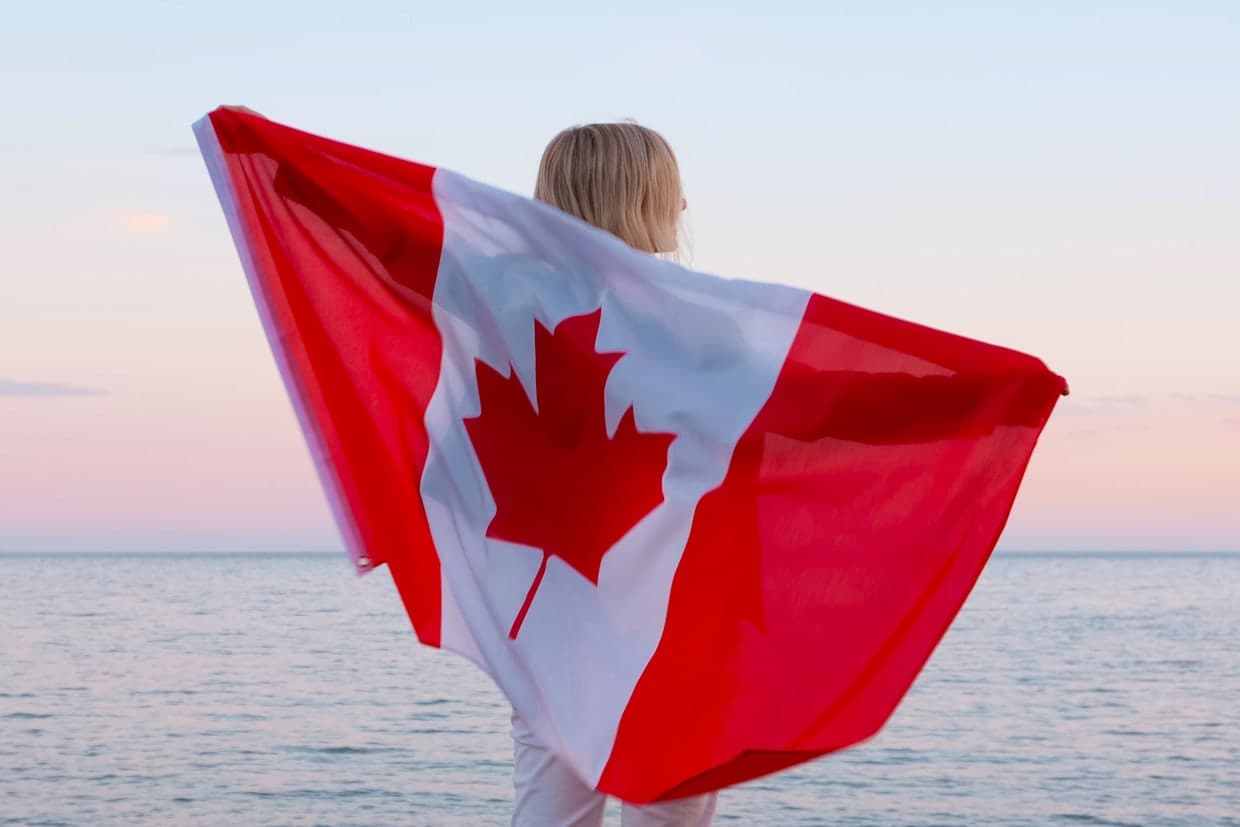
Canada is full of highlights, but these must-sees belong on your bucket list.
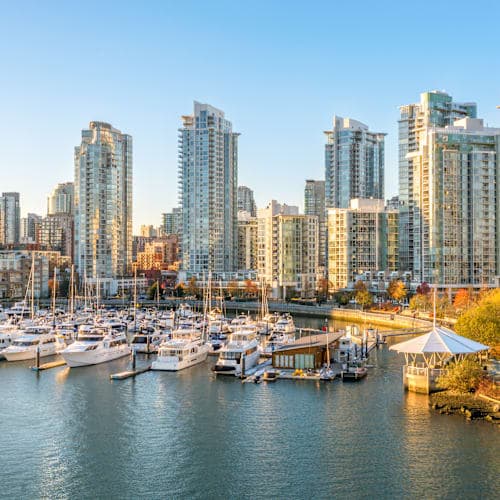
Mountains, the Pacific and a world-class city: Vancouver ranks among the most liveable cities in the world year after year – and you'll understand why immediately. You'll stroll along the seawall through Stanley Park, browse the Granville Island Markets and watch the skyline light up over False Creek in the evening. A short ferry ride away, Vancouver Island awaits with dense rainforest, whales off the coast and empty beaches to the west. Victoria welcomes you with gardens, Victorian architecture and a relaxed island vibe. Just beyond Vancouver in the mountains, Whistler is waiting: one of the best ski resorts in North America in winter and in summer a network of endless trails through outstanding natural scenery.
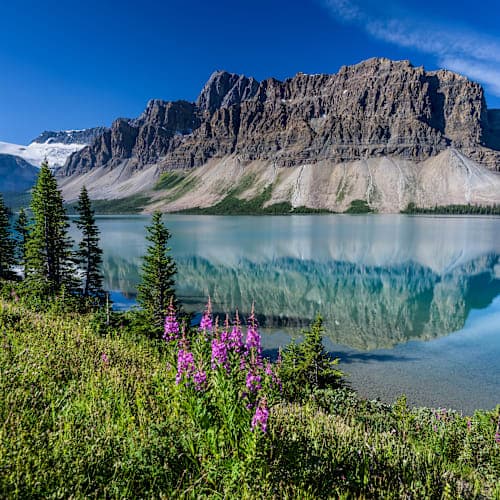
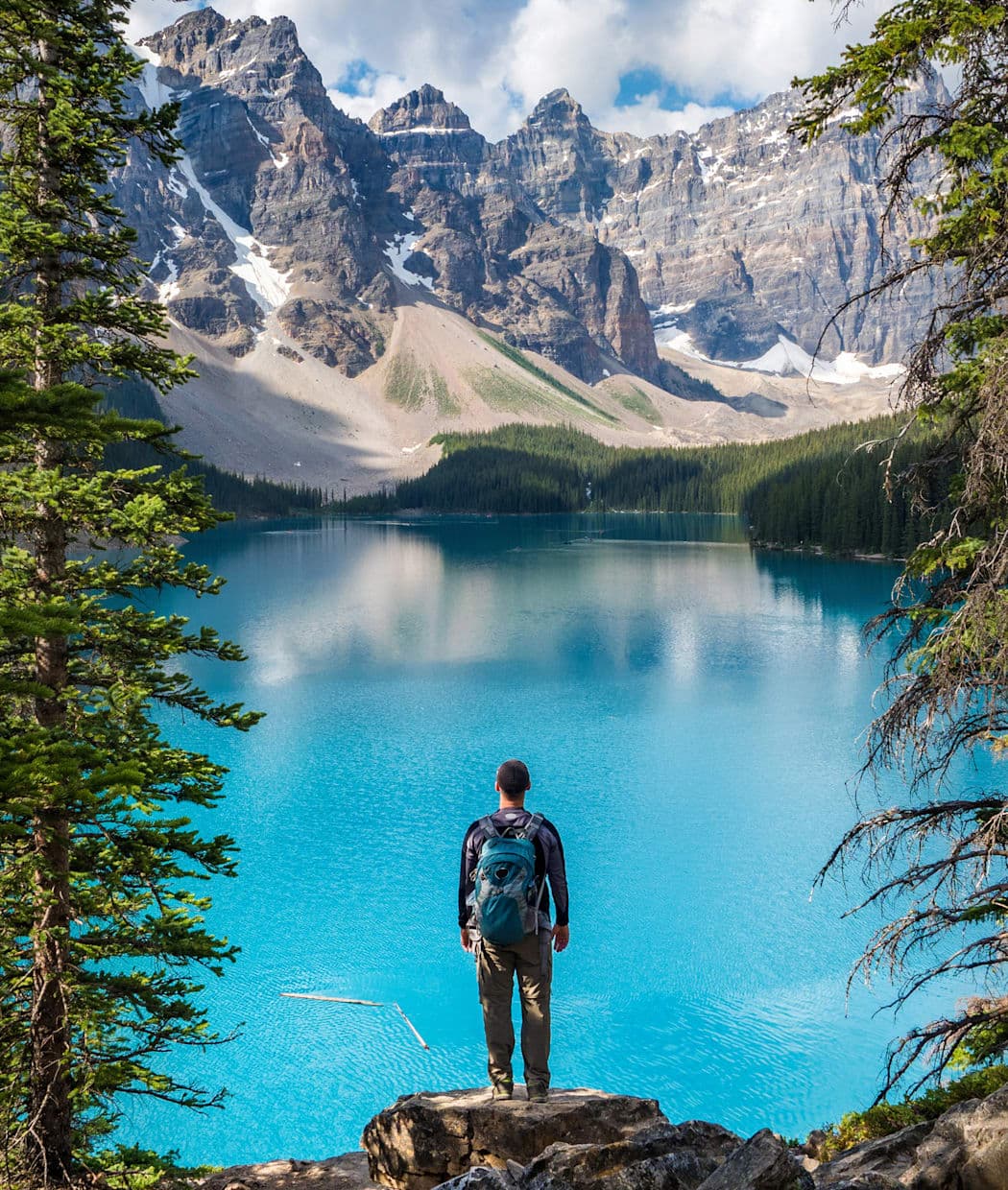
Beyond Whistler, the Rocky Mountains begin – and the Icefields Parkway draws you deep into them: 230 kilometres between glaciers, turquoise lakes and peaks that seem to grow straight out of the water. First stop: Jasper National Park. Bears at the roadside, the Athabasca Glacier reaching all the way down to the valley floor and at night one of the darkest skies for stargazing in the world. On to Banff: Lake Louise shimmers turquoise before snow-capped peaks, the Bow Falls thunder into the valley and the Banff Hot Springs are the perfect place to let the day's hiking sink in. Calgary brings the trip to a close – Stampede city, a glass skyline and a return from the mountains to the metropolis.
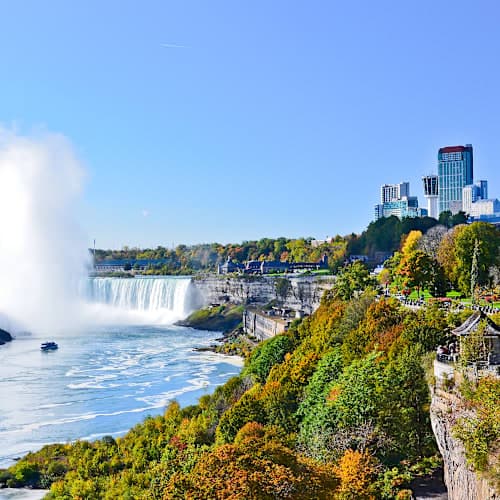
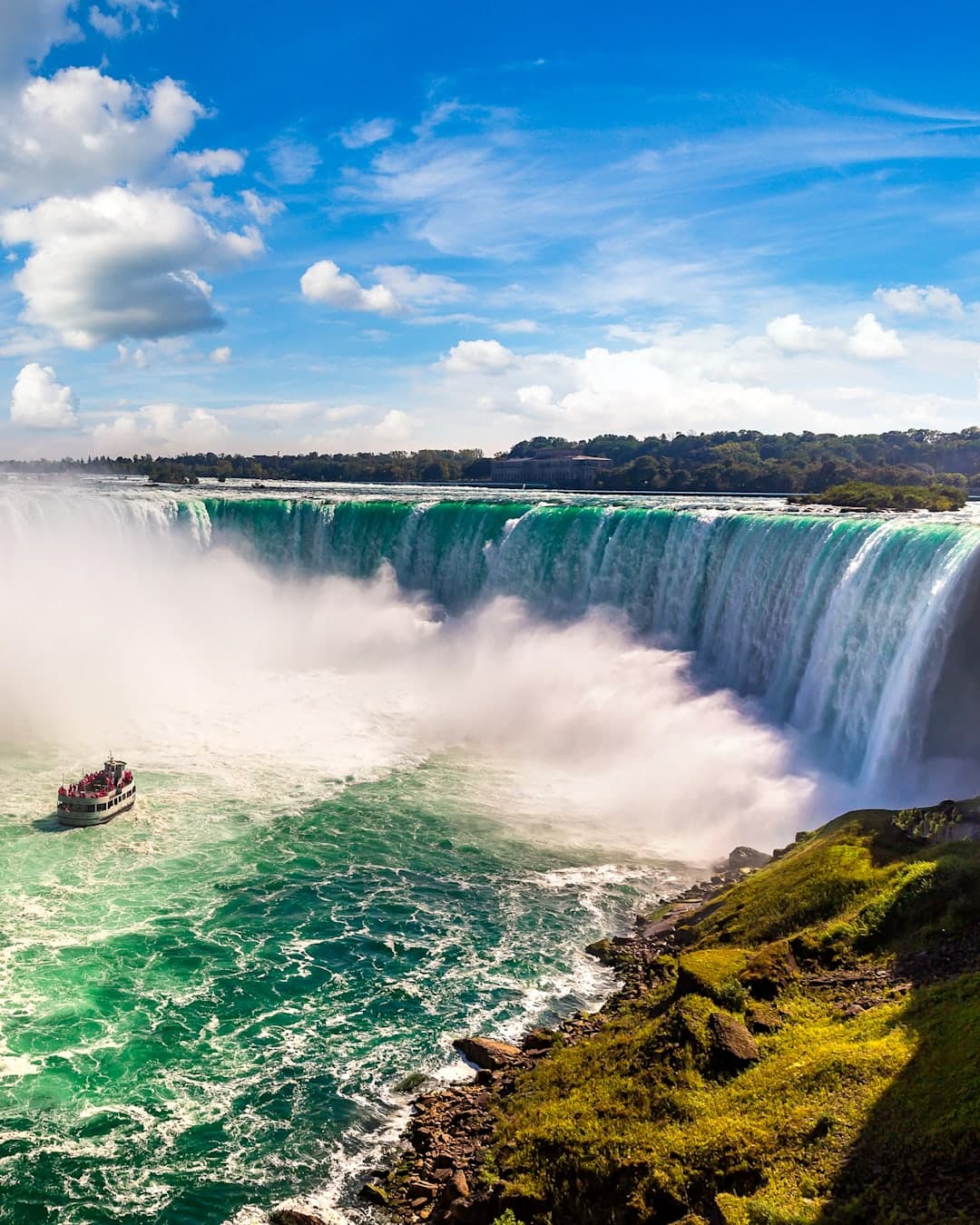
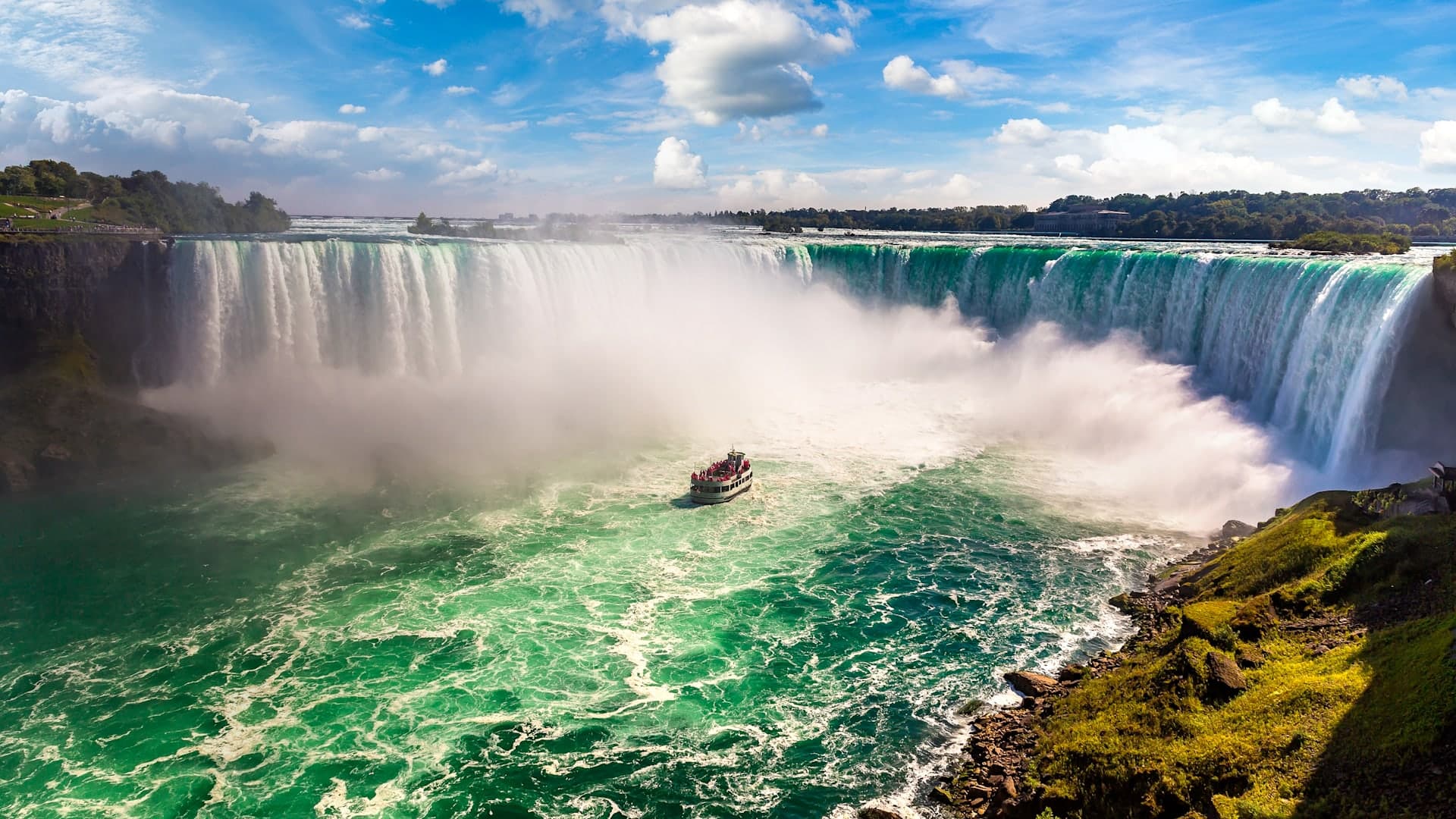
Toronto is Canada's largest city – the CN Tower pierces the skyline and along Lake Ontario, harbour promenades give way to beaches. In Kensington Market, the language changes at every corner; in the Distillery District, industrial buildings meet galleries and street food. Beyond the city, the Great Lakes region opens up: Superior, Huron and Erie – freshwater seas so vast that the far shore disappears from view. An hour to the south, Niagara Falls thunders 57 metres into the depths below – you'll hear it before you see it and feel the spray long before you reach the bridge. From September, Ontario's greatest show begins: the Indian summer, with forests ablaze in red, orange and gold.
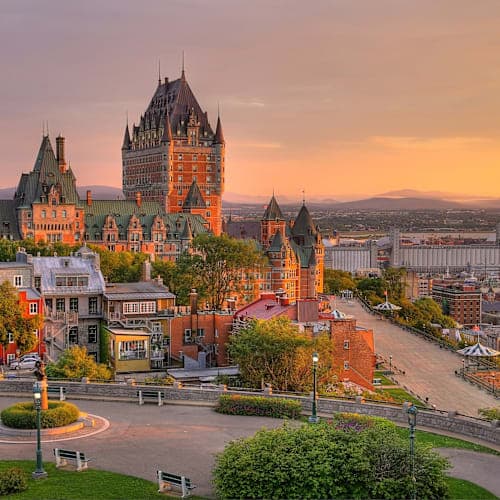
Eastern Canada speaks two languages - and you notice it immediately. Ottawa sits between three rivers, crowned by its neo-Gothic parliament buildings. In summer, the Rideau Canal becomes a stage for food trucks and festivals; in winter, it transforms into the longest skating rink in the world. Montréal shifts up a gear: cobblestones in the Vieux-Port, bagel bakeries alongside design studios in the Mile End and a festival calendar that never stops. And then there's Québec City: the Château Frontenac towers over the old town, cobbled streets lead down to the St Lawrence River and you find yourself moving through a piece of France on the wrong side of the Atlantic.
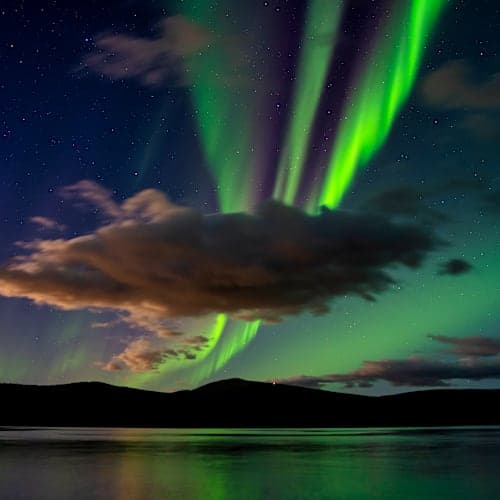
Northern Canada begins where the roads end. The Yukon stands for pure wilderness – Mount Logan as Canada's highest peak, endless rivers flowing through untouched open land and the northern lights bathing the sky in green and violet. Further north still lies Nunavut, with its tundra, polar bears and a silence you can feel physically. Through the Northwest Territories, the Mackenzie River flows 4,000 kilometres through boreal forests – one of the last unspoilt forest belts on Earth. To the south, Manitoba and Saskatchewan open up: prairie stretching to the horizon, bison herds, ice roads in winter and a sky that feels wider here than anywhere else on Earth.