Best time to visit
May, June and September are ideal – temperatures are pleasant and the crowds are thinner than in high summer.
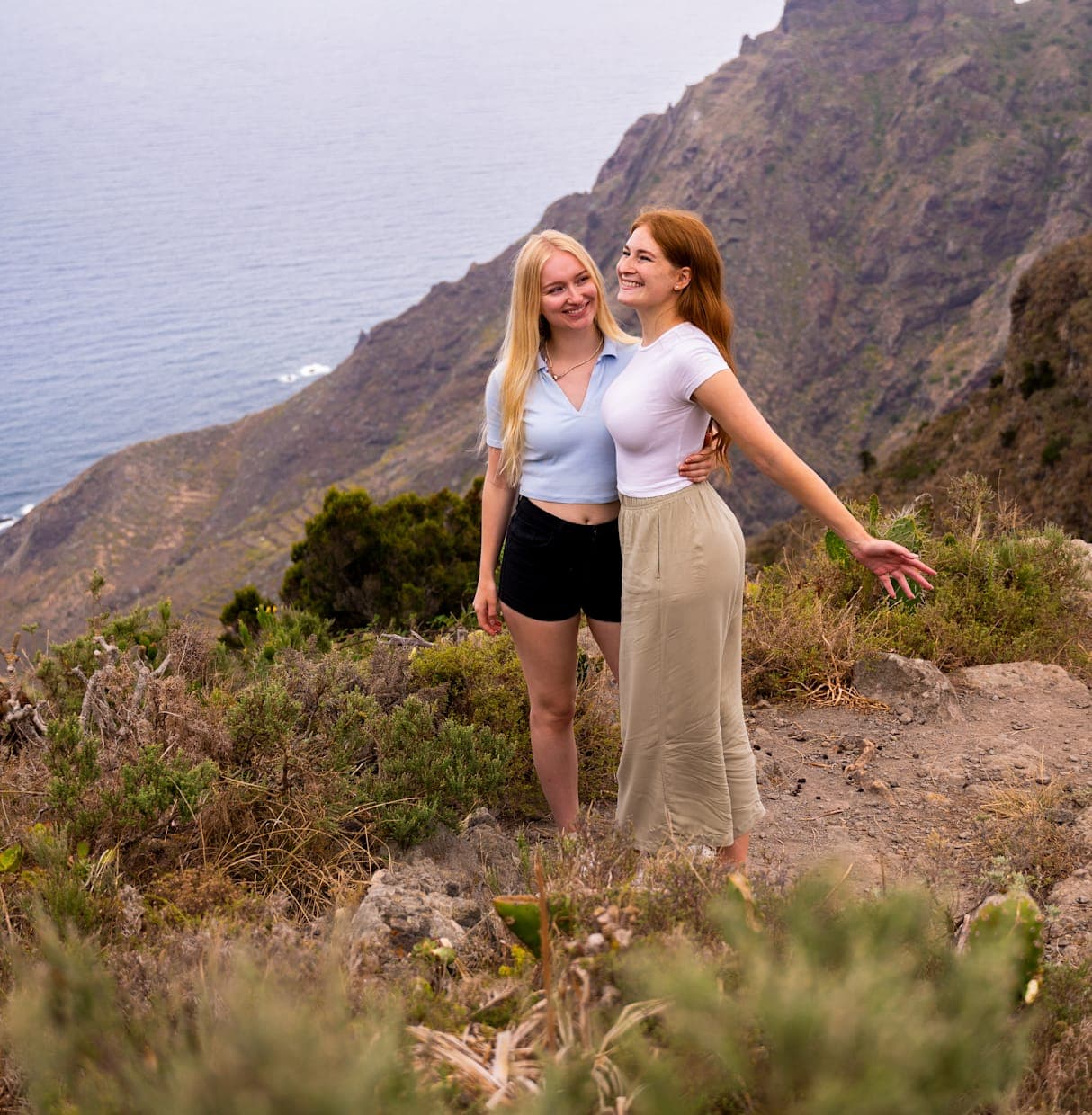
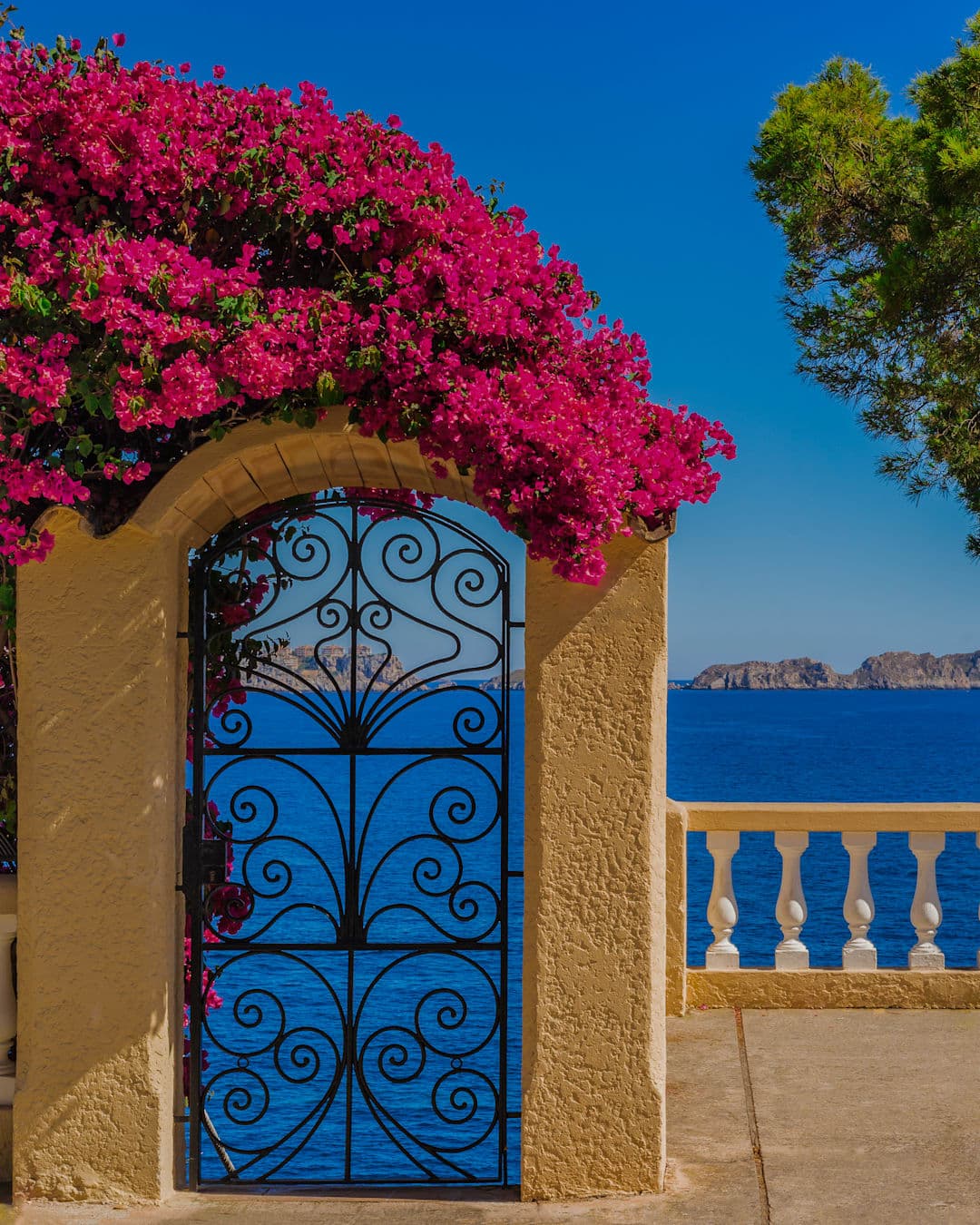
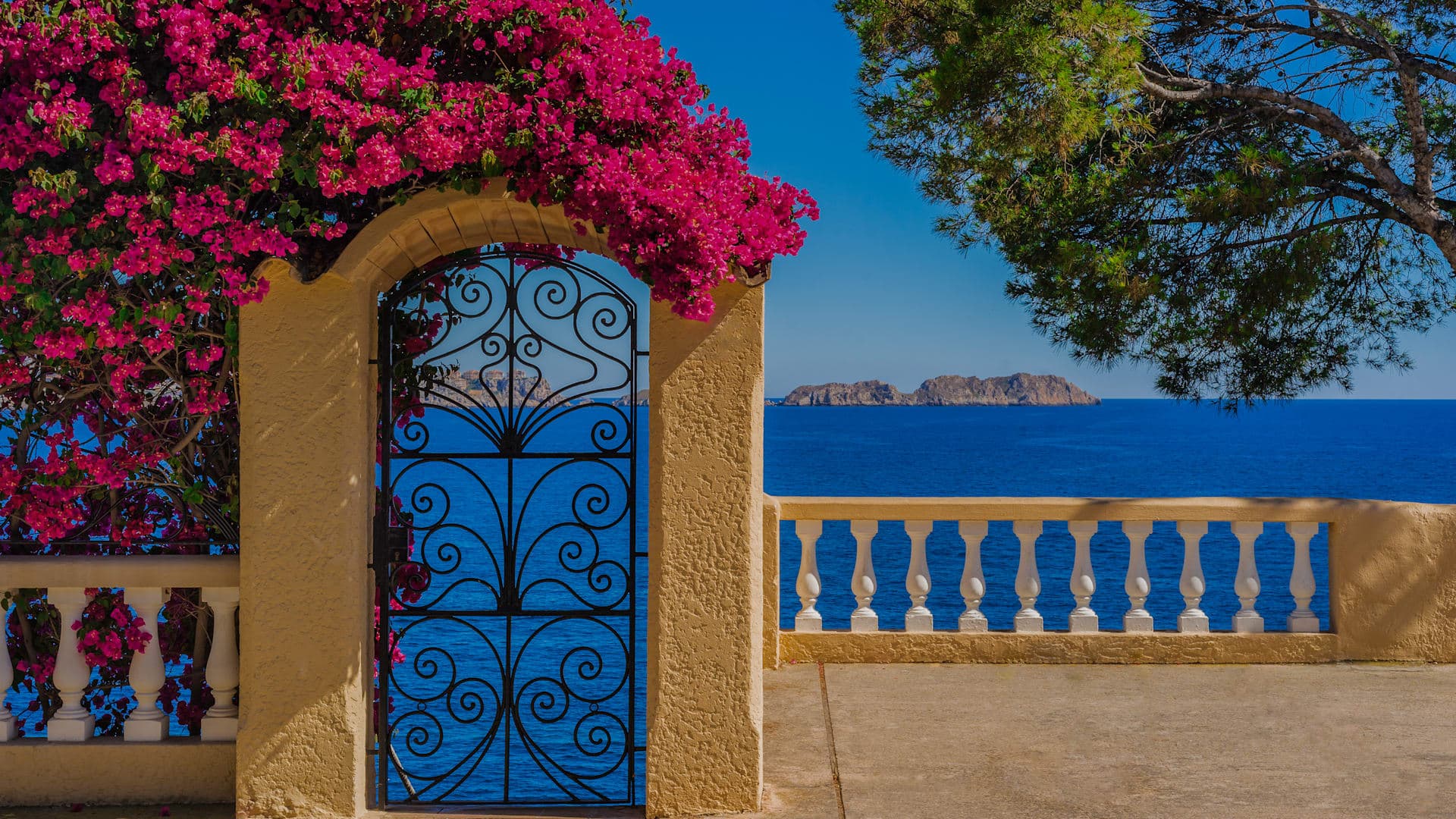
Spain changes its language, landscape and the food on your plate every few hours. In Granada, the Alhambra crowns the city – a palace of red clay against the Sierra Nevada, 1,000 rooms built for the last Moorish kings. On Tenerife, the Teide rises to 3,715 metres, Spain's highest peak rising from the middle of the Atlantic. On the Galician coast, the Atlantic breaks against granite cliffs, while on the Costa del Sol you dry off within minutes. Pintxos in San Sebastián, paella in Valencia, jamón in a bar somewhere in Castile – Spain tastes different in every region, and each one claims its cuisine is the finest.
May, June and September are ideal – temperatures are pleasant and the crowds are thinner than in high summer.
Spain's currency is the euro (EUR).

A direct flight from the UK to Madrid takes around 2.5 to 3 hours. Flights to the Canary Islands take around 4 hours.

The official language is Castilian, known worldwide as Spanish. In tourist areas you'll get by well with English, but Spanish comes in handy in more rural parts of the country.

Spain is full of highlights, but these must-sees belong on your bucket list.
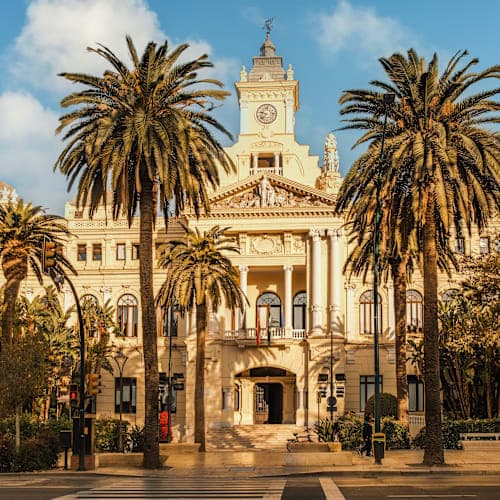
Andalusia rings with the sound of castanets and flamenco guitar, the evenings are warm and the tapas bars don't fill up until after dark. Seville sets the tone: a Gothic cathedral, a Moorish Alcázar and flamenco in intimate basement venues in the evenings. In Córdoba, you stand inside the Mezquita among 856 columns built side by side by Moors and Christians alike. Ronda clings to a rocky spur, the gorge below falling away vertically, with the Caminito del Rey threading through it as a via ferrata. To the south lie Málaga and the Costa del Sol, while on the Atlantic coast Cádiz offers whitewashed houses, sea breezes and fish that was still in the water that morning.
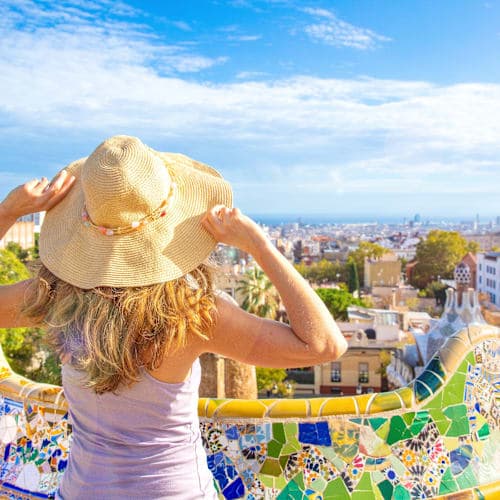
Barcelona pulls you in immediately – the Sagrada Família has been reaching skyward since 1882, while Casa Batlló and Casa Milà stand along the Passeig de Gràcia like sculptures in the traffic. Through the Gothic Quarter, alleyways full of guitar music lead you all the way down to the beach. Head north from there to the Costa Brava: Cadaqués clings white to the rocks and in Girona the old town mirrors itself in the Onyar. To the south lie Sitges and Roman Tarragona, then Valencia, where the City of Arts and Sciences sits in a drained riverbed – paella on the beach afterwards. Alicante closes out the coast: limestone cliffs, salt air and warm water well into November.
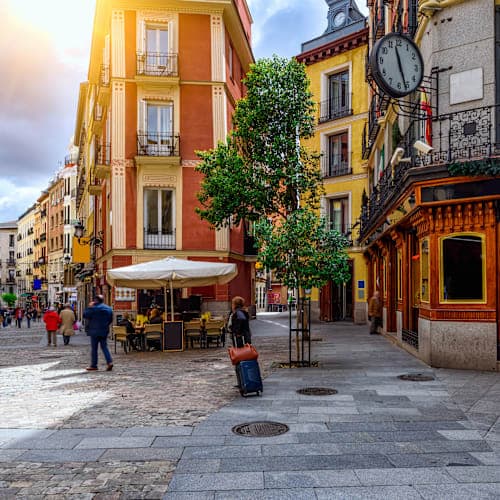
Madrid lives on the street – the Puerta del Sol is its beating heart. From the Palacio Real you can see all the way to the Sierra, and in the Prado, Velázquez and Goya hang side by side. The nights go on long and the tapas bars don't fill up until the kitchens elsewhere have closed. An hour to the south lies Toledo, where churches, mosques and synagogues still stand side by side today. Continuing through Castile, you pass Segovia with its Roman aqueduct, Salamanca in golden sandstone and the cathedrals of Burgos and León. Valladolid rounds off the sequence: once the capital of the kingdom, today a vibrant university city.
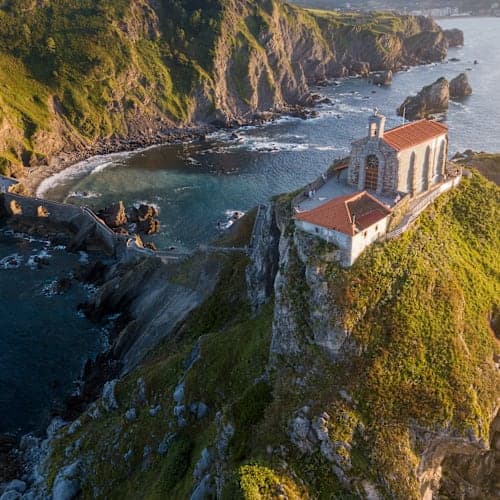
Northern Spain smells of wet grass and salt air. In Bilbao, the sky reflects off the titanium facades of the Guggenheim – silver or golden depending on the light. Along the coast you reach San Sebastián, where pintxos bar follows pintxos bar in quick succession. Just before it, Gaztelugatxe rises from the sea – a rocky island with 241 steps leading up to a chapel. The Camino de Santiago winds from the Pyrenees through the north, past the limestone massifs of the Picos de Europa. In Santiago de Compostela, the route ends in front of a cathedral that has been waiting for pilgrims for a thousand years. Beyond it, Galicia opens up: a rugged coastline, fishing boats and Atlantic mist.
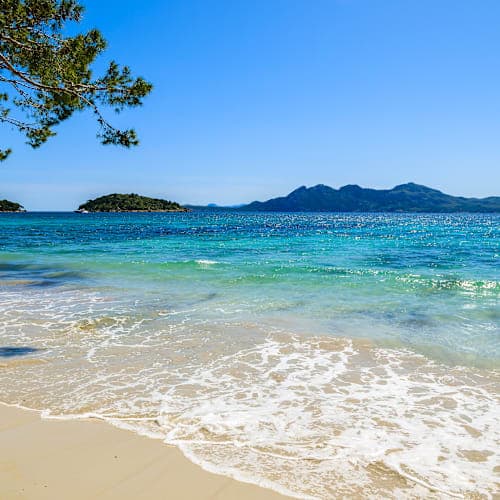
Spain's islands divide into two distinct worlds. The Canary Islands drift off the African coast: on Lanzarote you crunch across black lava fields, on Fuerteventura the wind blows Saharan sand into endless dunes, while La Palma and La Gomera hide beneath laurel forests that smell of damp earth. The Balearic Islands sit in the Mediterranean, warmer and closer to home. On Mallorca, the road to Sa Calobra winds through the Serra de Tramuntana down to the sea. Menorca keeps its coves quiet, Ibiza shows off white villages by day and turns up the volume at night. Formentera brings things to a close: turquoise water, white sand and barely a building in sight.