Best time to visit
Scotland can be visited year-round – the best time depends on what you want to see and do.

Mist hangs over dark lochs, castles perch on lonely clifftops, and roads wind through moorland and mountains – Scotland feels like a land straight out of ancient legend that somehow still exists. A Scotland round trip starts in Edinburgh, where the Old Town meets a thriving pub culture, then sweeps through the Highlands past Loch Ness, Glencoe and whisky distilleries before reaching the Atlantic coast, where the North Coast 500 traces the shoreline. The weather changes fast – four seasons in a single day, sunshine and storms within the same hour. English is spoken everywhere, while Gaelic greets you from the road signs. Your road trip takes you right through the heart of it all – past castles, into whisky valleys and onto endless walking trails.
Scotland can be visited year-round – the best time depends on what you want to see and do.
The currency is the pound sterling (GBP).

A direct flight to Edinburgh takes around one hour.

Scottish Gaelic is an official language, but English is spoken in everyday life.
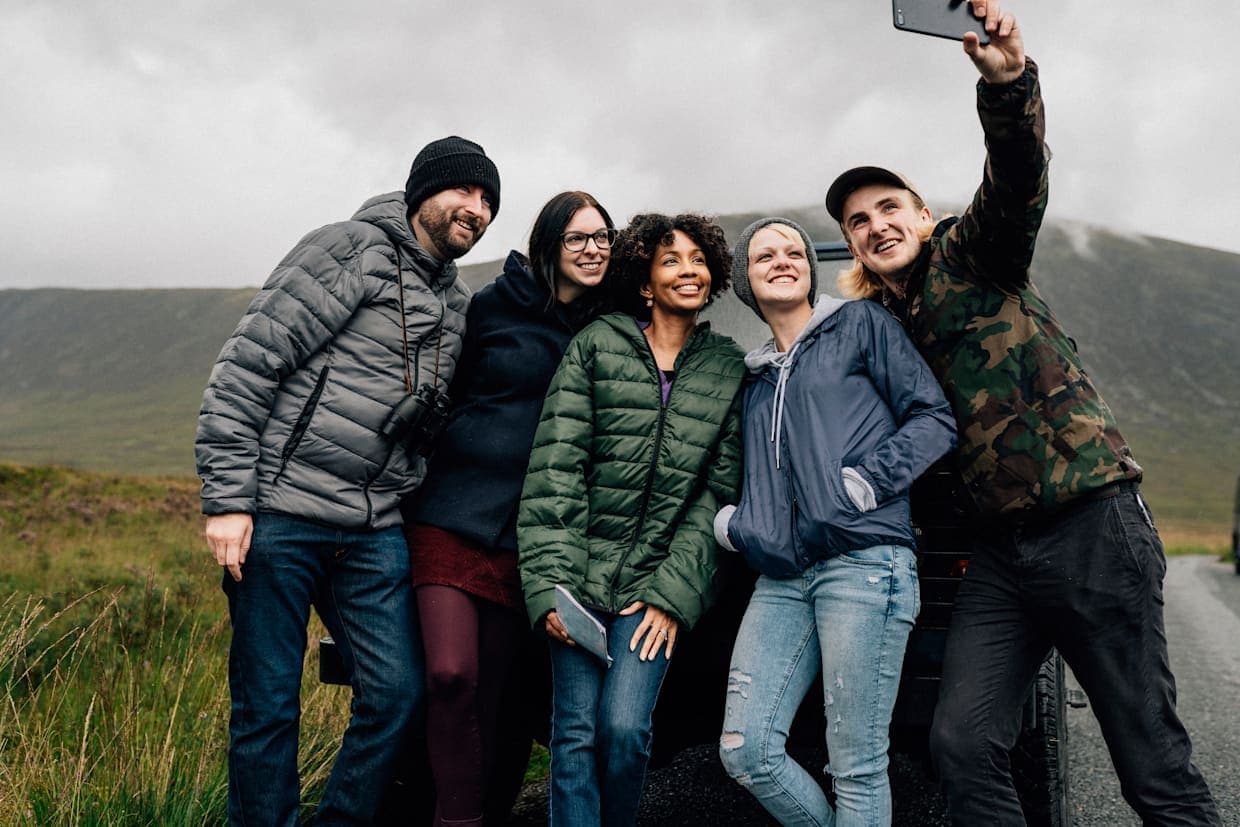
Scotland is full of highlights, but these must-sees belong on your bucket list.
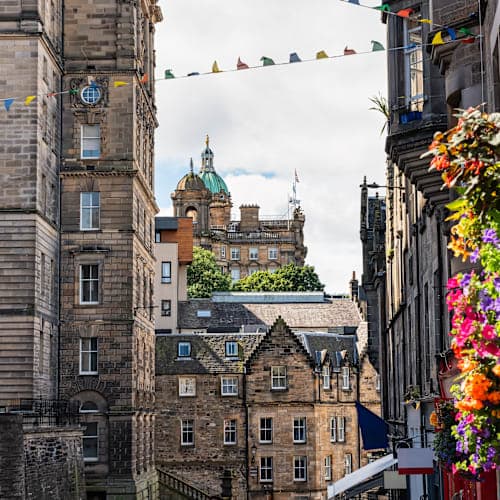
Edinburgh makes a striking first impression – and it delivers. Edinburgh Castle dominates the Old Town from above, while the Royal Mile stretches below it, lined with pubs, tartan shops and street musicians all the way down to Holyrood Palace. Climb Arthur's Seat and the city rooftops, spires and the Firth of Forth unfold beneath you. Head through the Lowlands to Stirling, where the castle stands on a volcanic crag overlooking the battlefields of Bannockburn. Glasgow strikes a different note – more direct, louder and more creative. Sandstone facades, live music in every other bar, street art scattered across the city and the Kelvingrove Art Gallery, which can easily swallow an entire afternoon.
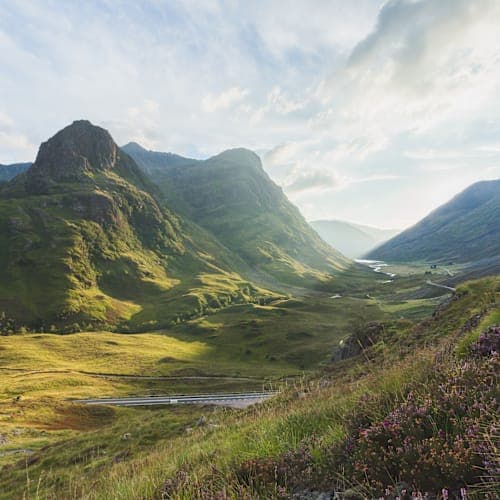
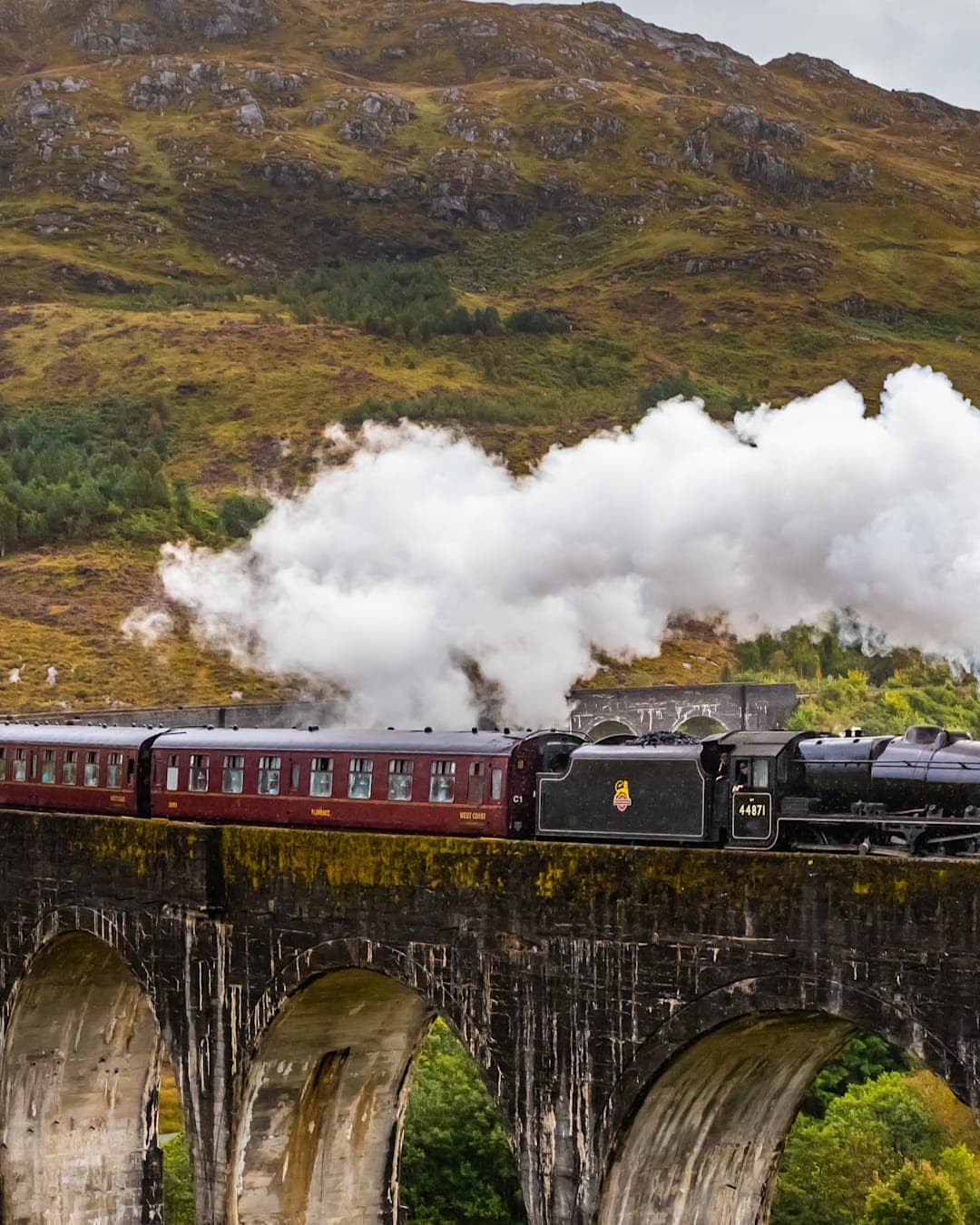
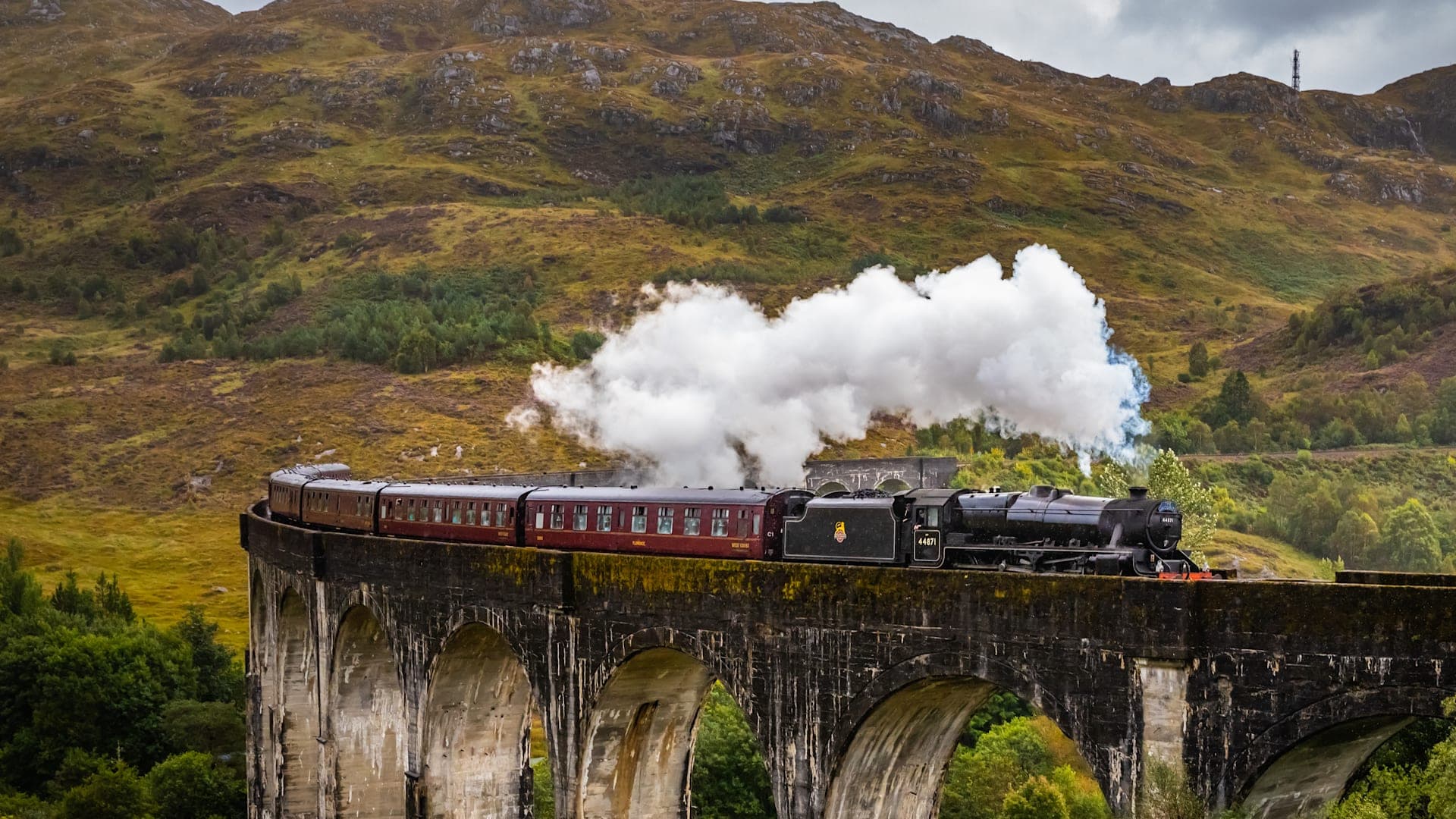
The Highlands begin where the roads grow quieter and the mountains draw closer. Loch Lomond sits within easy reach of Glasgow - the water mirrors the first peaks and the pace slows down of its own accord. Further north lies Glencoe: a valley so deep and still that even the wind seems to quieten. Fort William sits at the foot of Ben Nevis, Britain's highest mountain at 1,345 metres. To the west, the Glenfinnan Viaduct spans a gorge traversed by the Jacobite Steam Train - film fans will recognise it as the Hogwarts Express. In Cairngorms National Park, the landscape shifts as quickly as the weather: open moorland, pine forest and red deer.
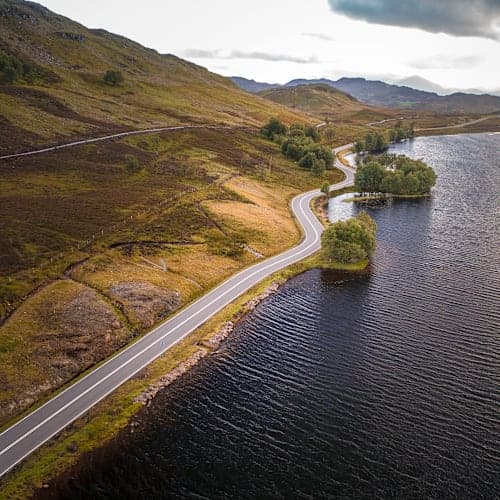
Inverness marks the gateway to the far north – at the edge of the Highlands, where the land of legend feels at its most intense. Thirty-seven kilometres of water, black as peat and barely rippling: Loch Ness cuts deep through the valley. On a rocky promontory, the ruins of Urquhart Castle cling to the hillside. Gaze out across the water and you'll understand why stories of monsters and saints have risen from this place for centuries. Further south, the Caledonian Canal releases its boats through five locks into Fort Augustus. On the moor at Culloden, the last battle ever fought on British soil took place in 1746. Today the land is silent, but the wind sounds different above the memorial stones.
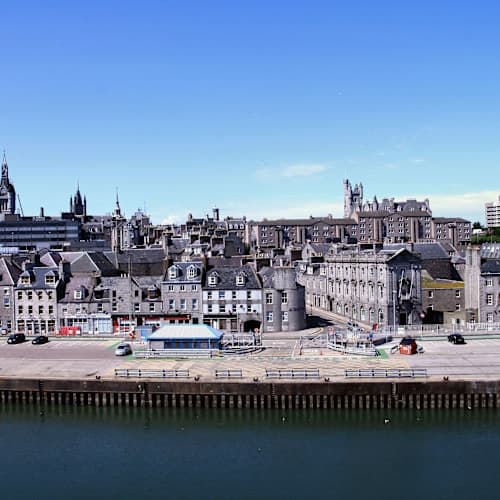
Aberdeen awaits on the east coast with granite architecture that gleams silver in the sunshine – the Silver City more than earns its nickname. Half an hour down the coast, Dunnottar Castle clings to a rocky promontory above the North Sea, surrounded by water on three sides and as dramatic as any Scottish tragedy. In the valley of Royal Deeside stands Balmoral Castle, the British royal family's summer residence since the time of Queen Victoria. Dundee follows on the banks of the Tay, with the V&A standing as a spectacular design museum right on the waterfront. And far above on the Atlantic coast, the North Coast 500 winds past clifftops, lighthouses and secluded bays.