Best time to visit
Nepal works all year – spring and autumn deliver the best trekking conditions.
Nepal plays in its own league: eight of the world's fourteen highest mountains stand here – and yet the country is more than summits. Kathmandu makes that clear immediately: the city smells of incense, sounds like temple bells, and in the Patan district Hindu temples and Buddhist stupas line up next to each other as if someone stacked millennia in one place. Behind the rooftops, the Annapurna peak pushes its snow-covered flanks into the sky. In the south, a different Nepal awaits: Chitwan National Park surprises you with rhinos and tiger safaris, whilst the Trisuli River delivers white-water rafting. You set the pace: trek, rafting, temples or everything at once. The country's intensity will hit you either way.
Nepal works all year – spring and autumn deliver the best trekking conditions.
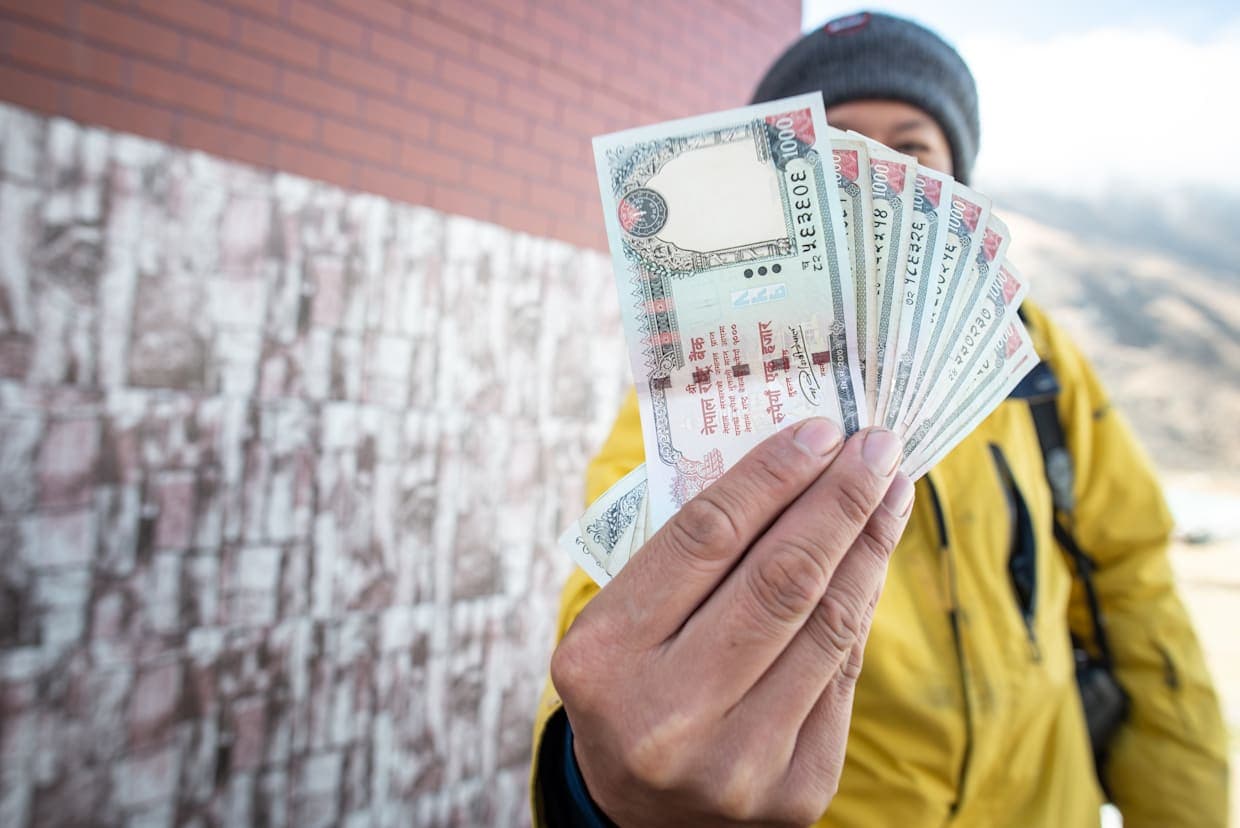
In Nepal, you'll pay with the Nepalese rupee (NPR).
There are no direct flights. The shortest connection takes around 14 to 18 hours.

Nepali is the official language, but you'll get by easily with English.
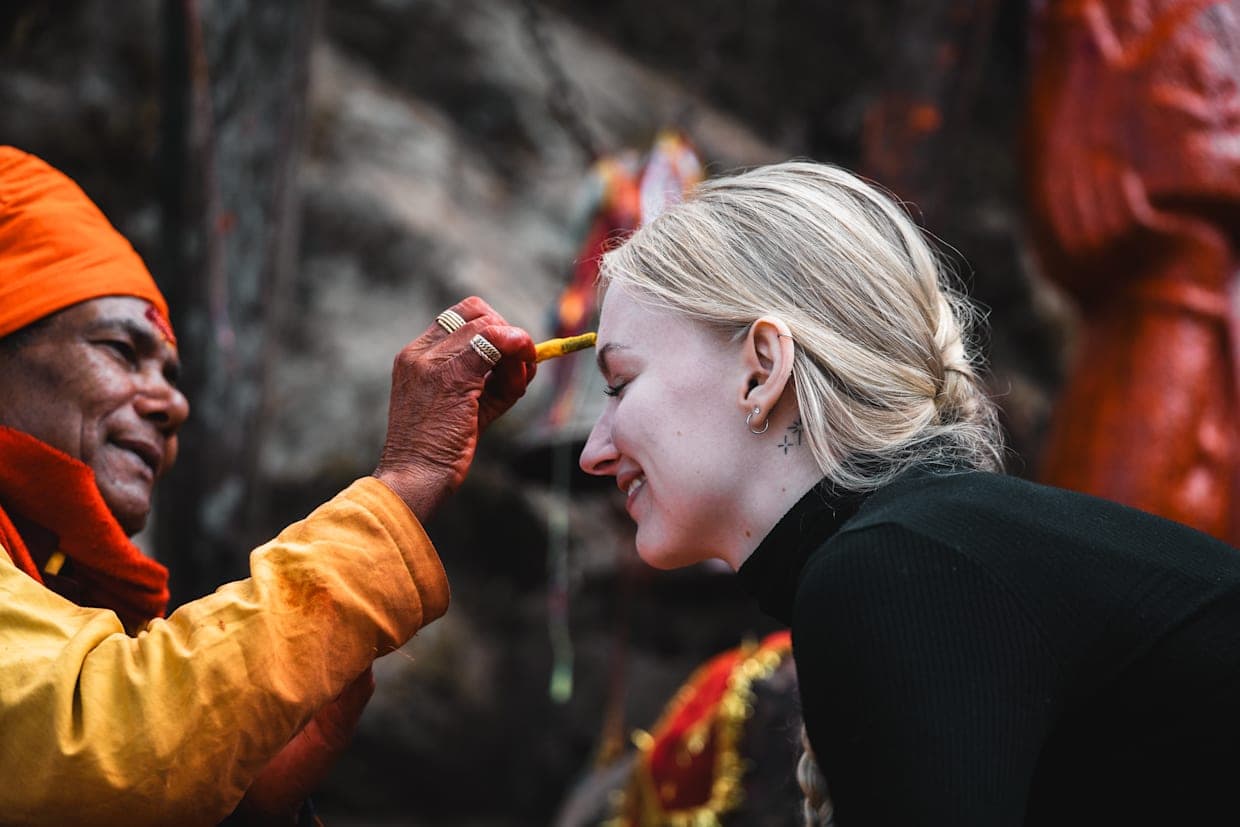
Nepal is full of highlights, but these must-sees belong on your bucket list.
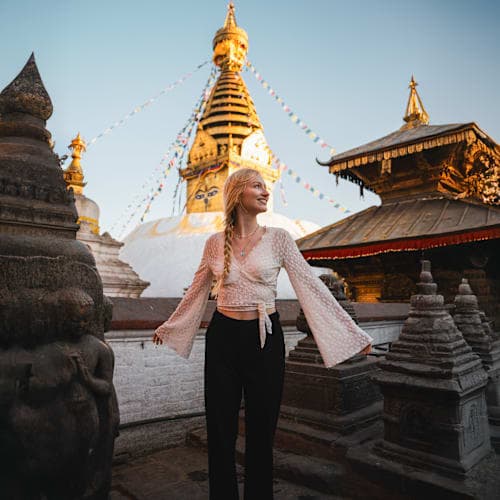
You're standing at Durbar Square, turn once on your axis and count eleven pagodas – all from the 12th century, all still there. Motorbikes squeeze through alleyways where vegetable sellers stack their chillies next to Buddha statues, whilst incense rises from temples. Above it all, Swayambhunath sits on its hill – called the Monkey Temple because macaques run the show here. Five kilometres further on, the Boudhanath Stupa spins, Tibetan monks murmur mantras and prayer wheels squeak in rhythm. Bhaktapur and Patan lie a bus ride away, medieval royal cities with temple districts and pottery workshops that have been running to the same rhythm for centuries.
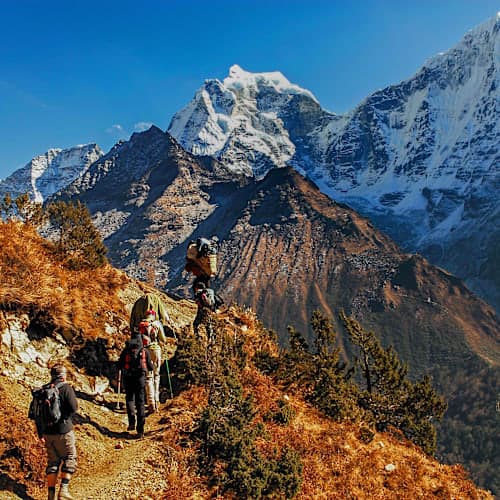
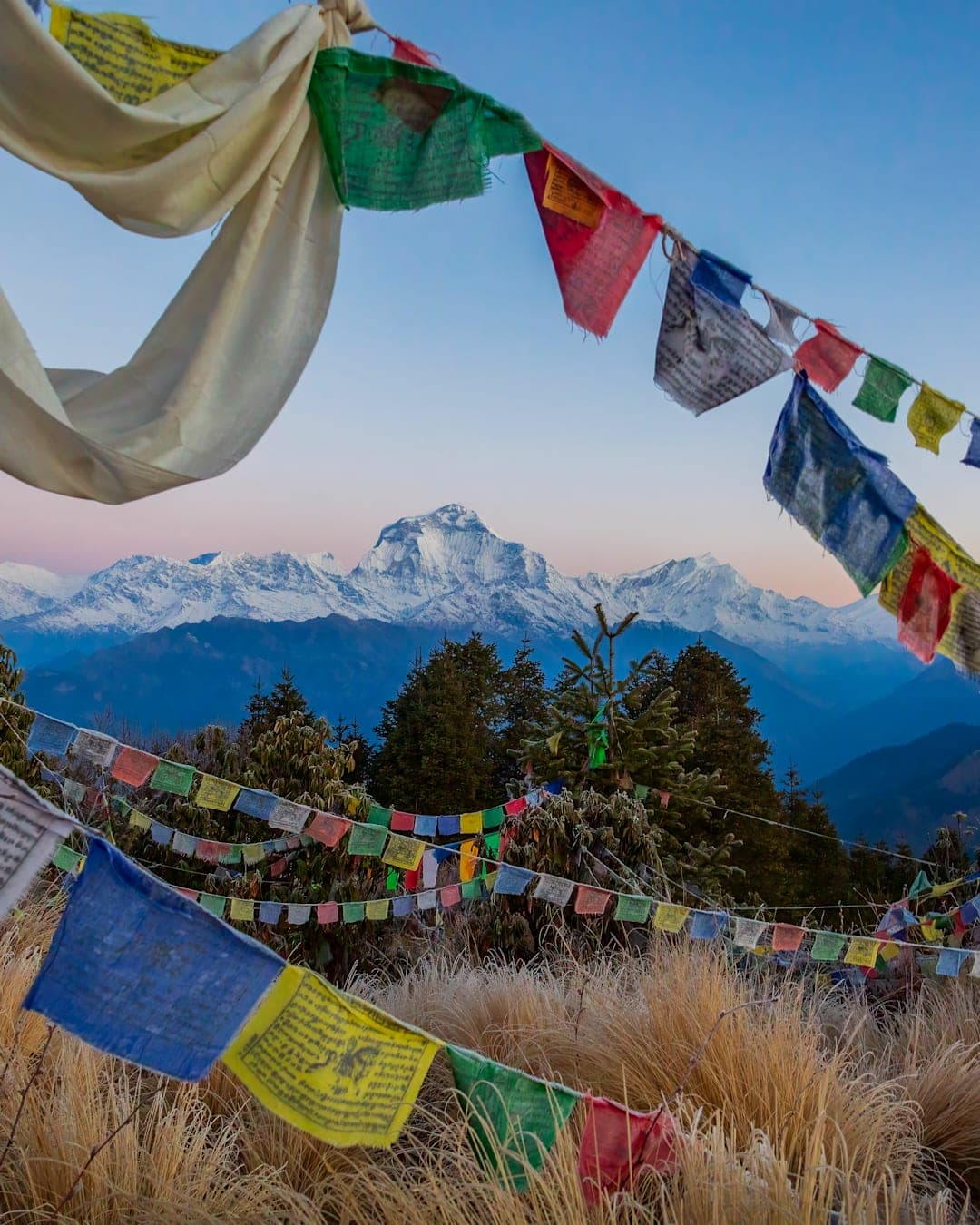
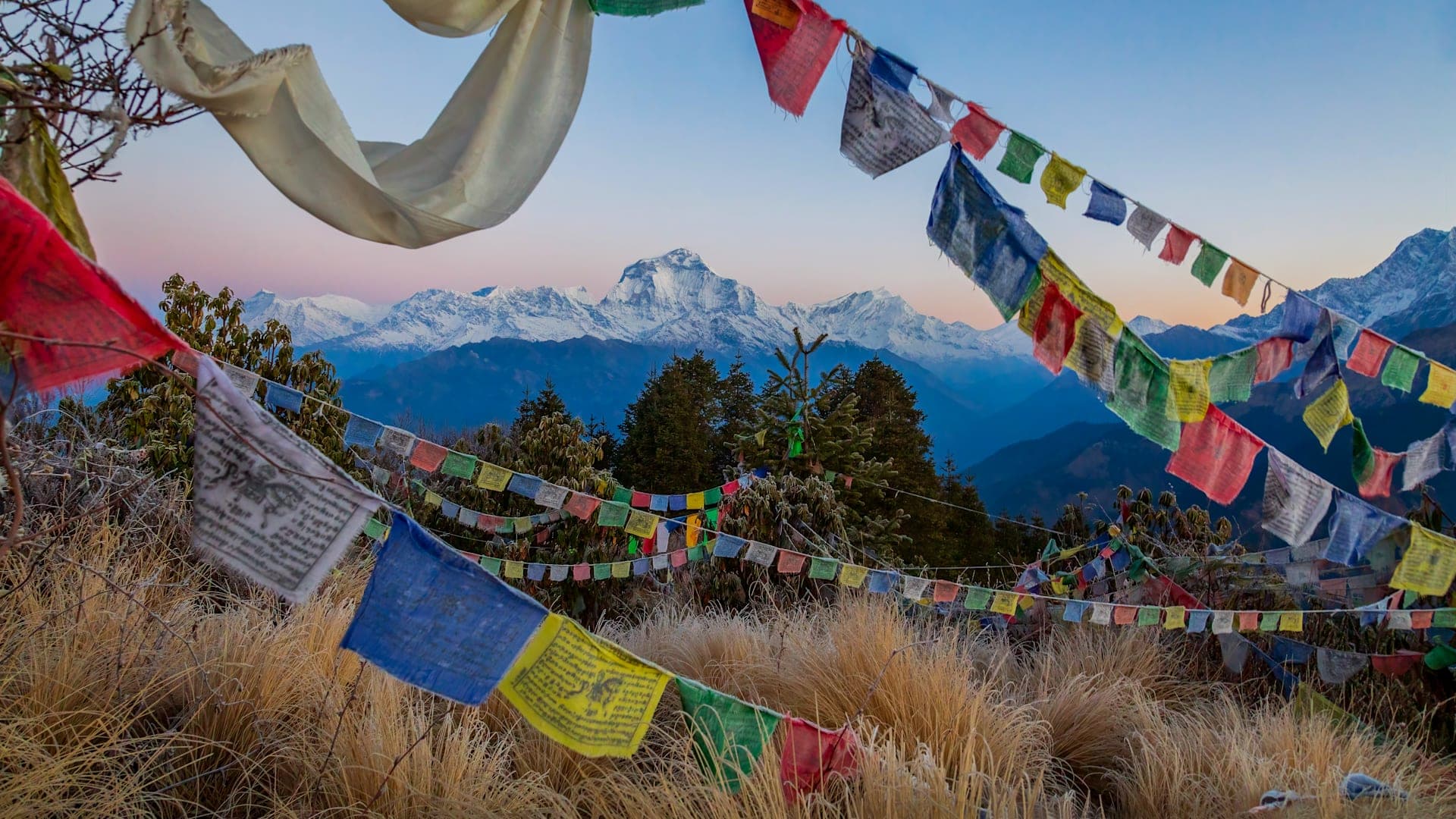
The hiking trails through the Himalaya lead through rhododendron forests, rice terraces, mountain villages and straight into one of the world's most spectacular backdrops. The trek to Poon Hill is the classic introduction: you'll start in Nayapul, walk through Gurung villages and sleep in teahouses with dal bhat and Himalayan views. At the summit, sunrise over the Annapurna Massif awaits – 8,091 metres of rock and ice, right in front of you. From Kande to Sarangkot you'll walk through villages where goats cross the path. Every route combines altitude with culture – temples by the wayside, teahouses with home-cooked food. You walk at your pace whilst the Himalaya delivers the rest.
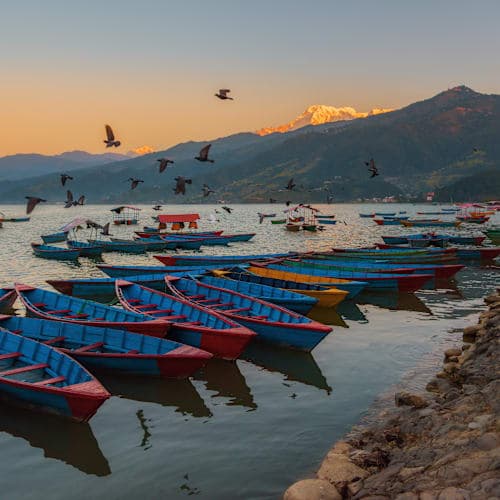
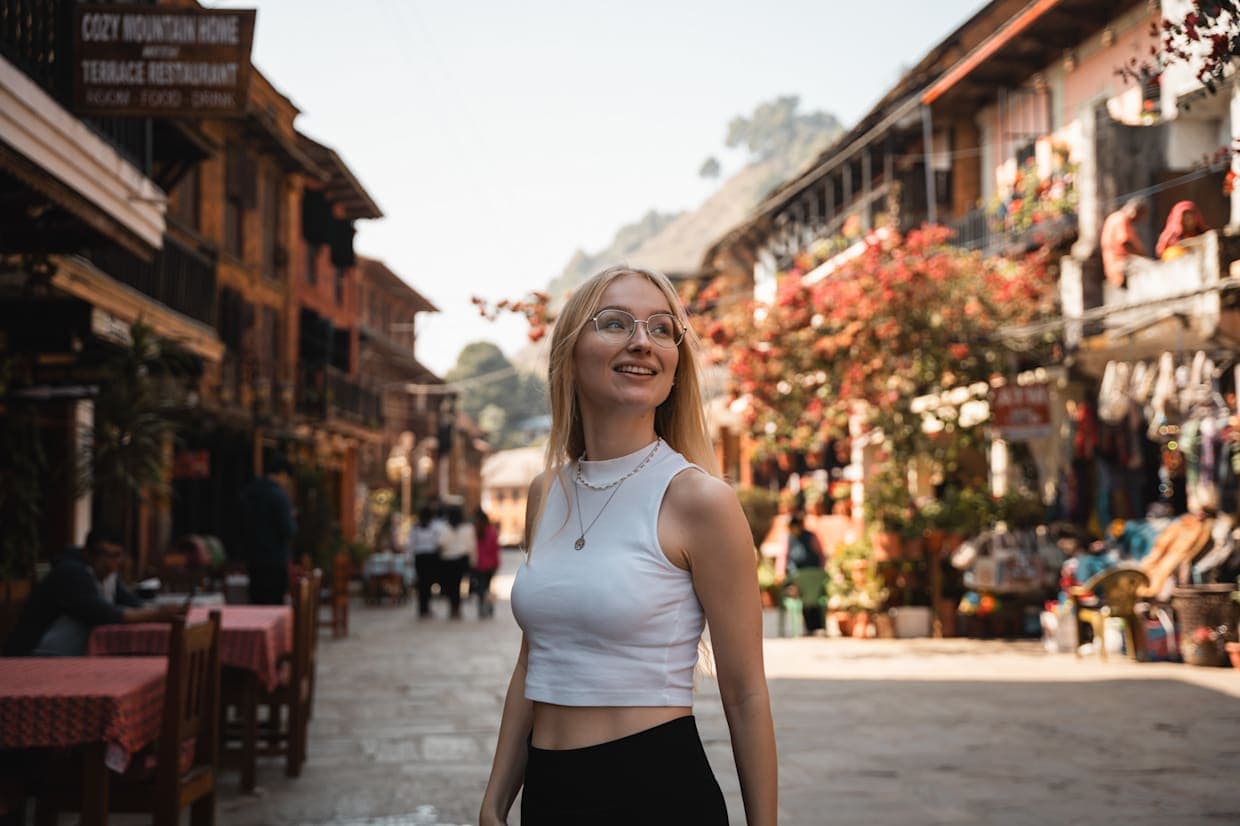
Pokhara, Nepal's second-largest city, sits on the shore of Phewa Lake and delivers postcard views. You'll sit in a kayak on the lake, the Annapurna Massif reflects in the water below you and ice fields tower into the sky beyond. If you want to go higher, head up to Sarangkot – at sunrise the eight-thousanders gradually turn orange whilst the city below you still sleeps. In the surrounding countryside, the glacial lakes Begnas and Rupa hide between dense forests and rock faces – still water, birdsong and no tourist noise. On the way to Kathmandu, a stop in Bandipur is worth it: the Newari trading town sits on a mountain ridge, wood carvings frame every window and on the terraces you'll smell masala tea before you order it.
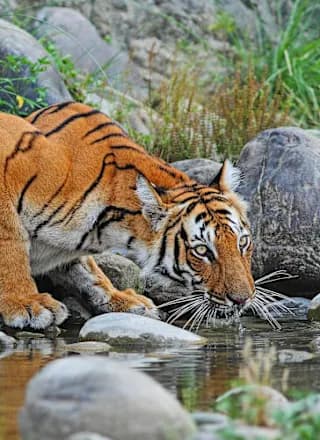
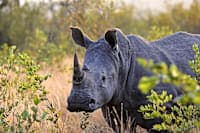
Did you know Nepal has tigers too? Chitwan National Park lies three hours south of Kathmandu – subtropical jungle at 100 metres altitude, where one-horned rhinos trample through elephant grass and Bengal tigers prowl through sal forests. You'll travel by canoe along the Rapti River whilst crocodiles lie motionless on the banks and kingfishers shoot past. On the way there, a stop in Gorkha is worth it: the town sits on a rocky ridge, 1,400 metres above the valley, and this is where Nepal as you know it began – Gorkha Durbar clings to rock faces whilst from the top the view reaches as far as Manaslu. From Himalayan giant to deep jungle, from temples to tigers – you'll only get this combination in Nepal.