Best time to visit
May and September to October are ideal – temperatures are pleasant and there's less rain than in summer.
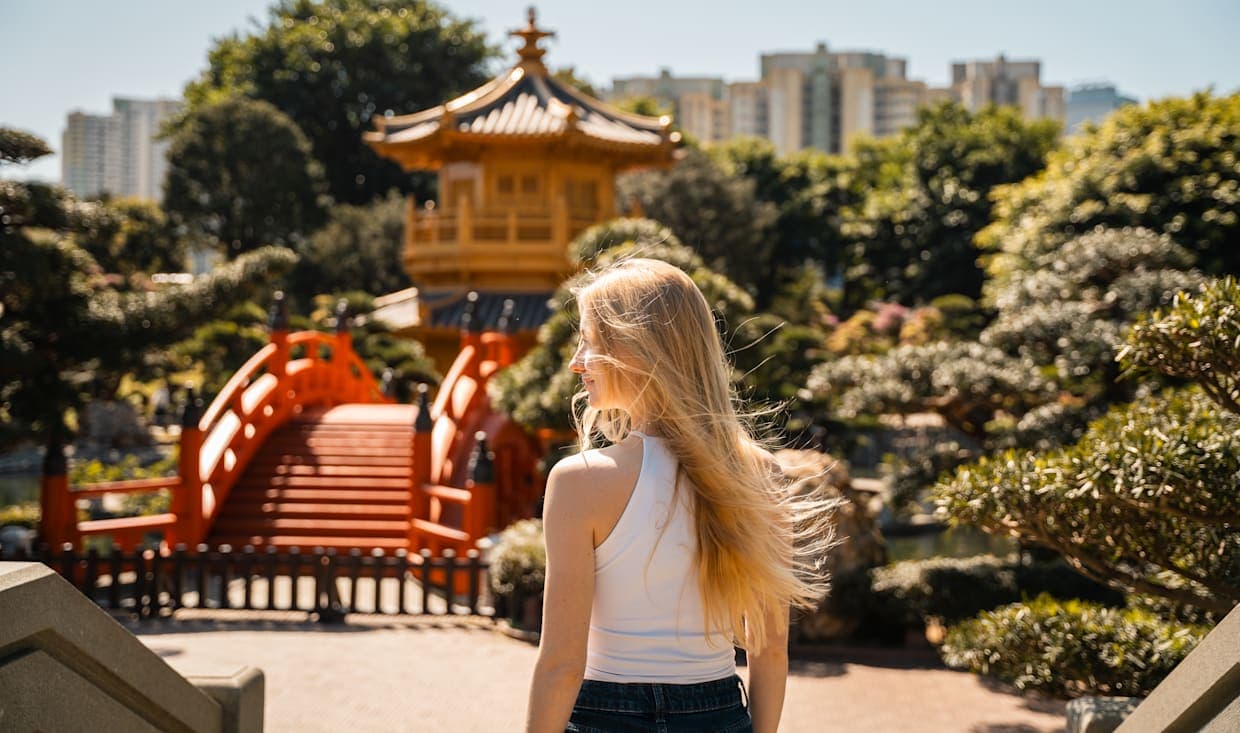
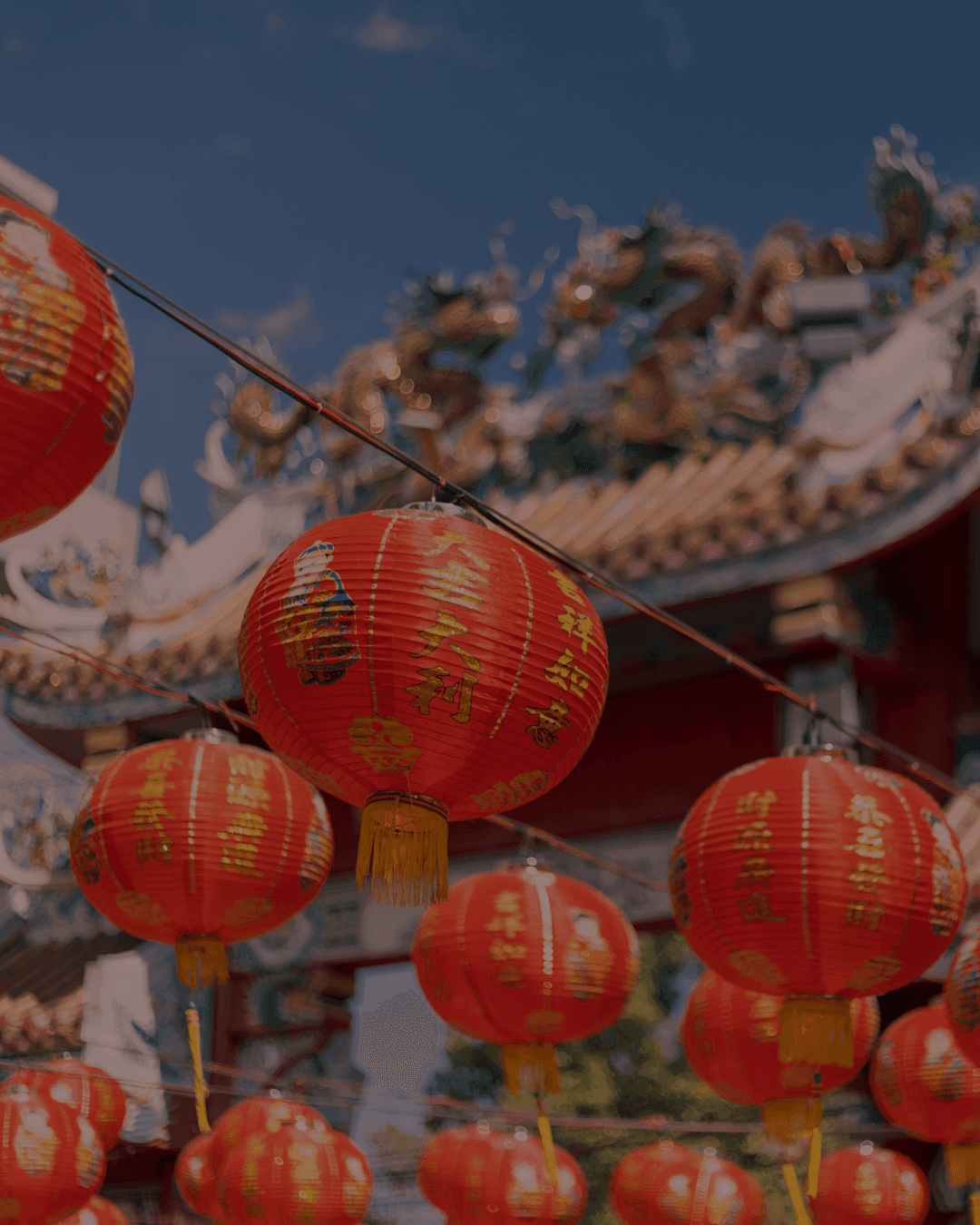
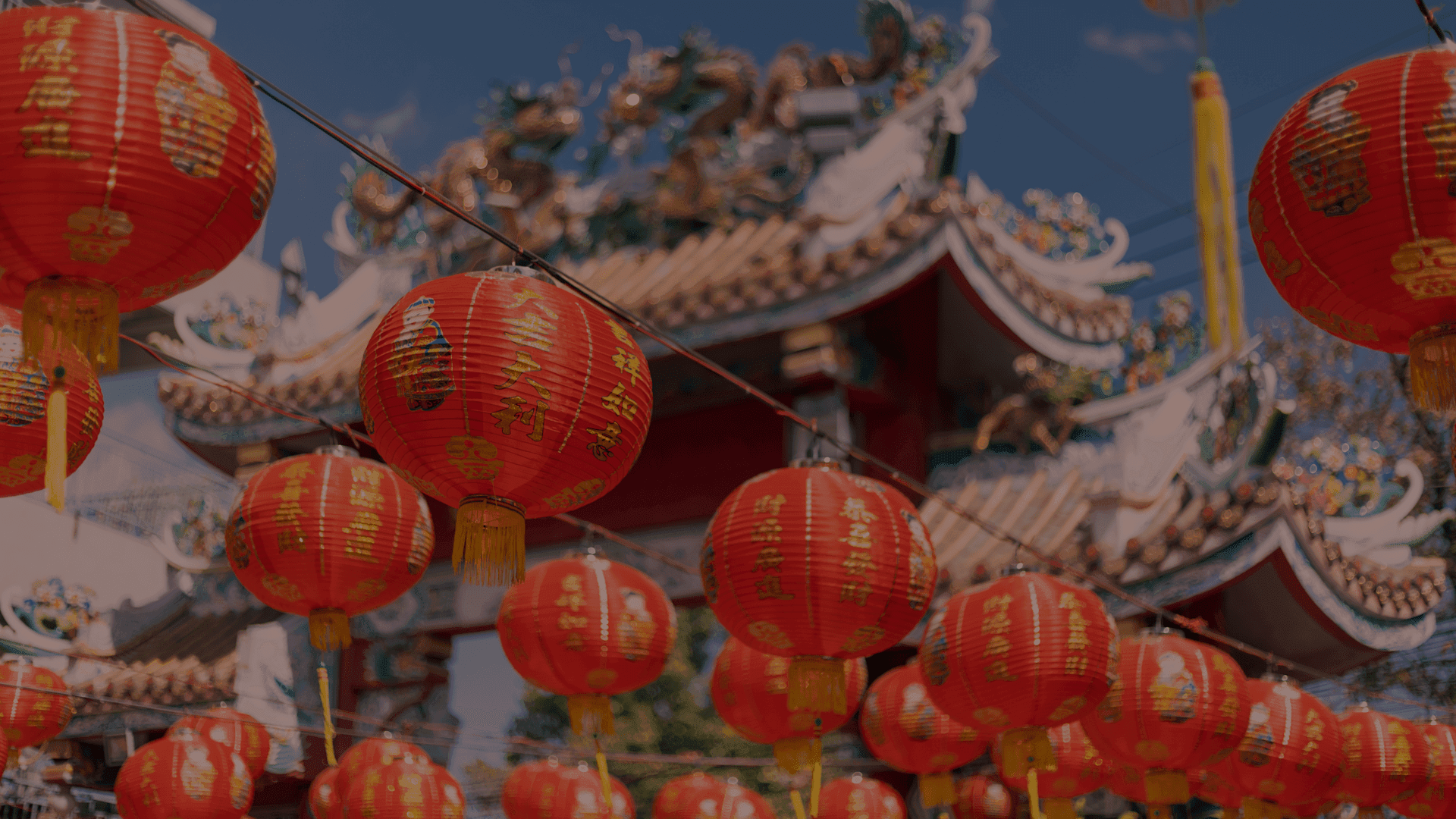
China thinks in millennia. In its cities, some of the world's oldest temples stand alongside its tallest skyscrapers, and nobody finds that contradictory. Beijing, Shanghai, Xi'an, Chengdu – each city is an entirely different world. In between lies scenery beyond imagination: the Great Wall of China stretches over mountain ridges to the horizon, the sandstone pillars of Zhangjiajie float in the mist, and the lakes of Jiuzhaigou glow turquoise. Ancient legends tell of dragons that still roam these mountains today. And then there's the food – as diverse as the landscape itself: dim sum in Guangzhou, hot pot in Chengdu and fried noodles at the night markets of Xi'an.
May and September to October are ideal – temperatures are pleasant and there's less rain than in summer.
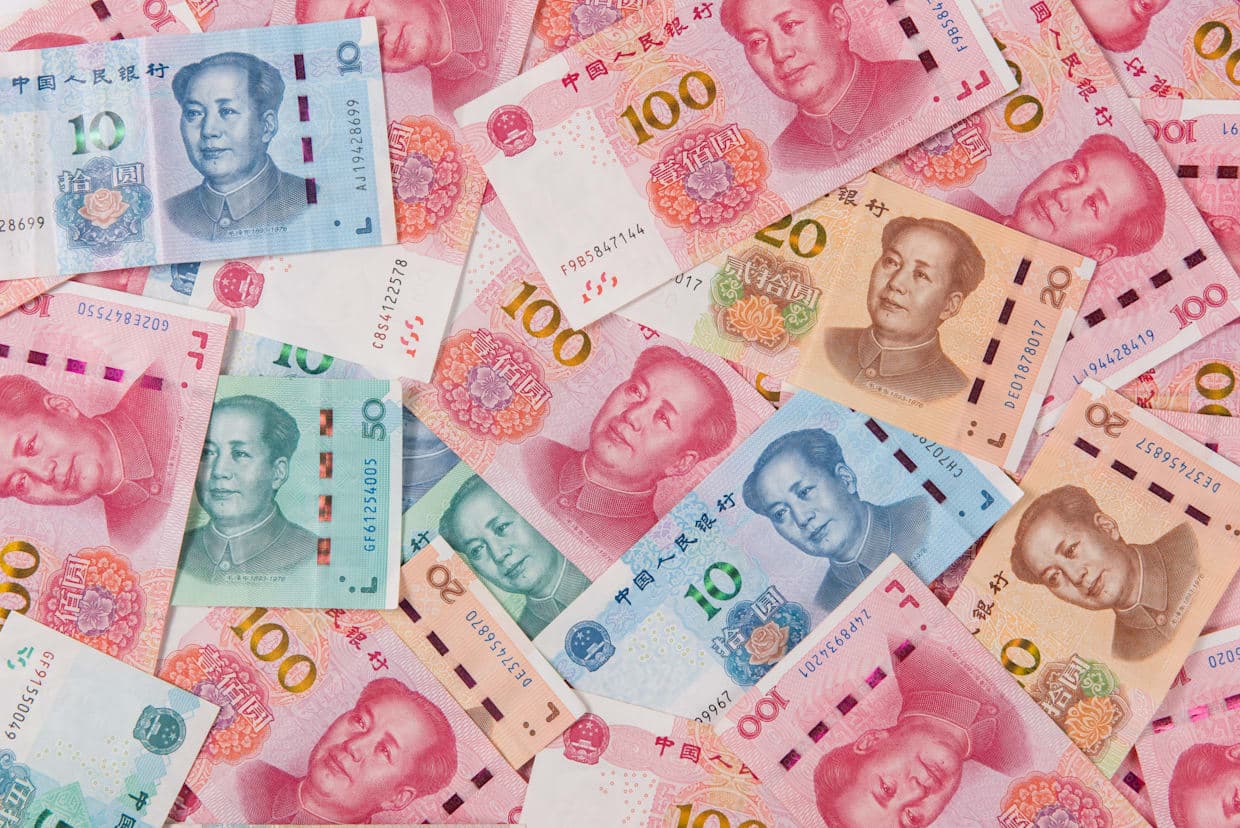
China's currency is the renminbi, with the yuan (CNY) as its unit. Most people in China pay via apps such as WeChat Pay or Alipay.
A direct flight from the UK takes around 10 to 14 hours.

Mandarin is the official language. In tourist areas and hotels, you'll get by well with English.
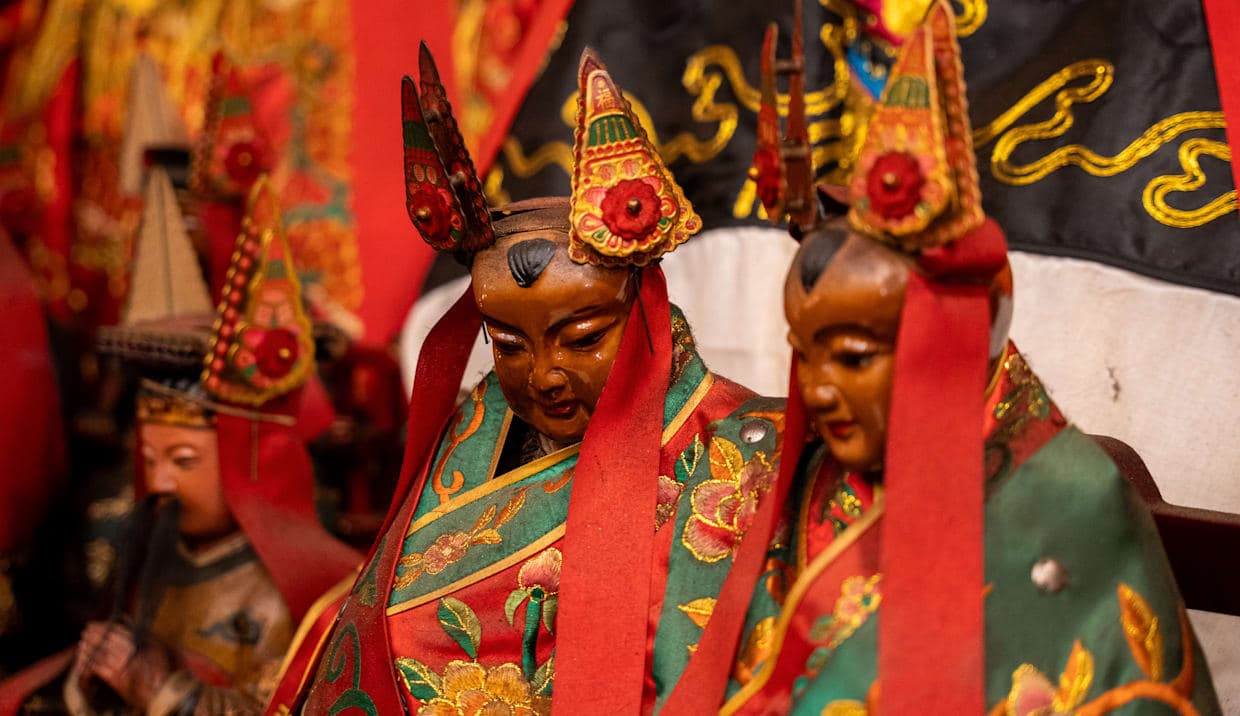
China is full of highlights, but these must-sees belong on your bucket list.
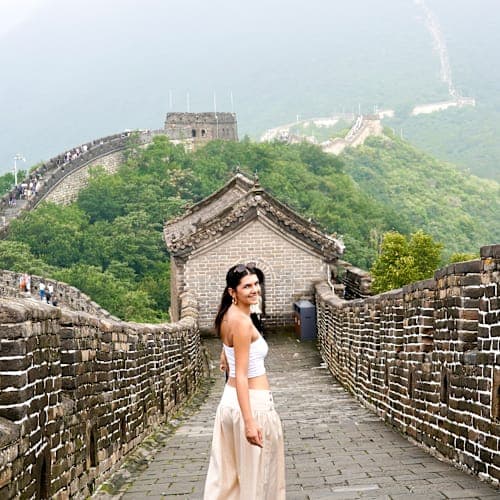
Beijing is one of the oldest capital cities in the world -- and one that makes no attempt to hide its history. At its heart lies the Forbidden City: for 500 years, no one was permitted to set foot inside except the emperor, his family and his servants. Today you can walk through it, past ancient timber, incense, red walls and golden rooftops. The Temple of Heaven stands on its marble platform, and the Summer Palace is reflected in the waters of Kunming Lake. Beyond the city limits, the Great Wall of China winds over mountain ridges to the horizon – 21,000 kilometres of stone built to hold back the nomadic horsemen of the north and today one of the wonders of the modern world.
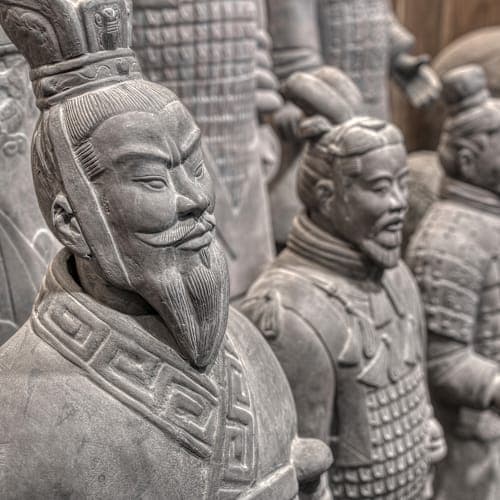
Xi'an smells of cumin and fresh flatbread, the Muslim Quarter winds through narrow alleyways and a wok sizzles on every corner. This was once the eastern terminus of the Silk Road – Xi'an was the trading heart of Asia, and you can still feel that history in the food, the faces and the architecture. The city wall encircles the entire old town, and you can cycle the full 14 kilometres along the top. Beyond the city limits stands one of the greatest wonders of archaeology: 8,000 life-size terracotta warriors in long rows, every face individually modelled – the Terracotta Army has guarded the tomb of China's first emperor for over 2,000 years. For those who want to go higher, Mount Huashan – one of China's five sacred mountains – offers a serious challenge.
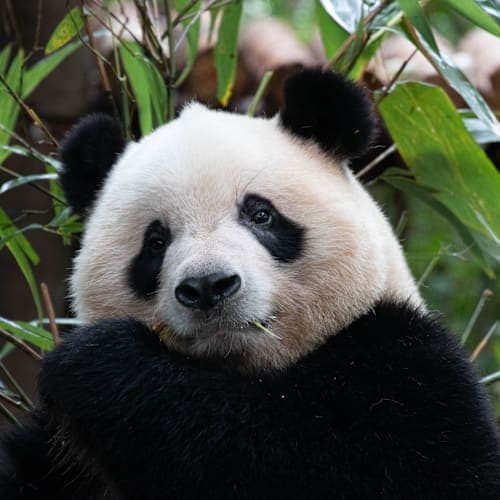
Chengdu moves at a slower pace. Retirees dance in People's Park, mahjong tiles clatter in teahouses and hot pot steams on every table. Just outside the city, giant pandas spend their mornings munching bamboo and clambering through the branches at the Panda Research Base – clumsy, endearing and utterly captivating. A train ride away, the sandstone pillars of Zhangjiajie rise vertically out of the mist – the landscape that inspired Avatar, though no film has ever quite captured them. A glass bridge spans the Grand Canyon section, 430 metres long with a 300-metre drop beneath your feet. Then Chongqing turns the pace back up: two rivers, tower blocks built into the hillside, neon lights along the Yangtze – and Sichuan pepper that leaves your tongue wonderfully numb.
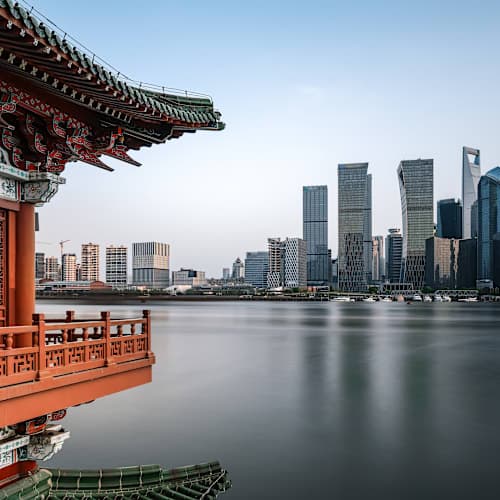
Shanghai thinks big. The Shanghai Tower spirals 632 metres into the sky – the third tallest building in the world – while the Oriental Pearl Tower glows pink and purple over the Huangpu after dark. Along the Bund, the city steps back 150 years: concession-era facades on one side, the futuristic skyline on the other. In the middle of it all lies Yu Garden – bamboo, penjing, white walls and the scent of jasmine and freshly brewed tea drifting through the air. Sudden stillness. The Shanghai Museum spans 5,000 years of Chinese art across four floors. Two hours away lie Hangzhou's West Lake and the classical gardens of Suzhou. How much of Shanghai you make your own is entirely up to you.
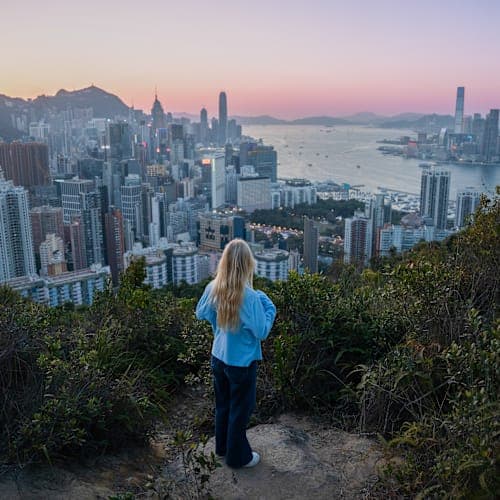
Guangzhou smells of dim sum and hot oil. The teahouses open at six in the morning and fill up immediately – this is where Cantonese cuisine, one of the great culinary traditions of the world, was born. An hour away lies Shenzhen: a fishing village as recently as 1980, now Asia's Silicon Valley, defined by skyscrapers and tech giants. Macau breaks the mould: 442 years of Portuguese influence meet the world's highest casino revenue, and the ruins of St Paul's rise from the city as a bare facade. Hong Kong crowns the coast: a dense skyline, bustling markets and the Star Ferry glowing in the evening light – a world unto itself, with its own distinct history. Where your south begins is entirely up to you.