Best time to visit
Between May and October, the Azores show off their finest – lush green landscapes, mild temperatures and perfect conditions for whale watching or road trips along the wild coast.
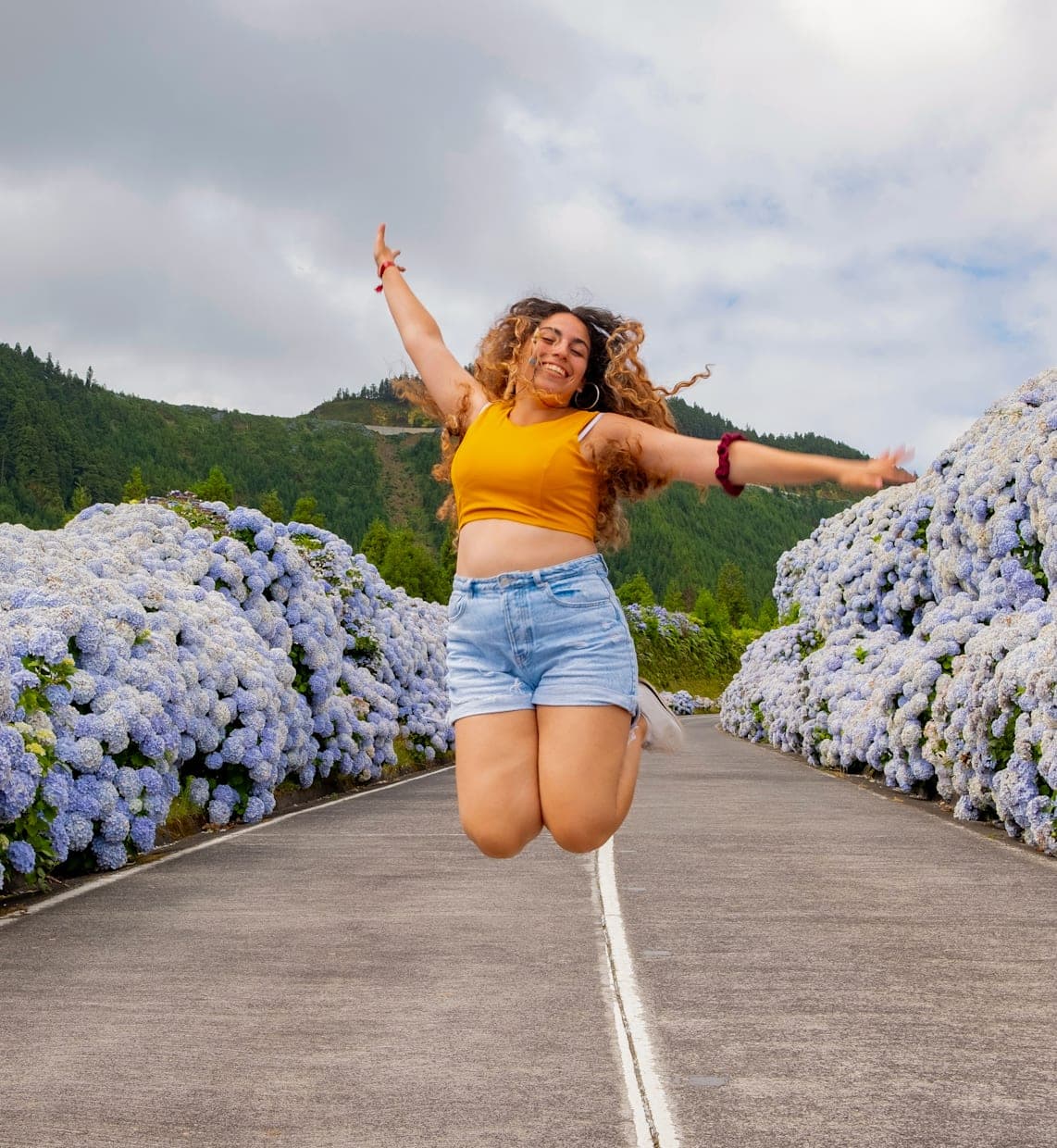
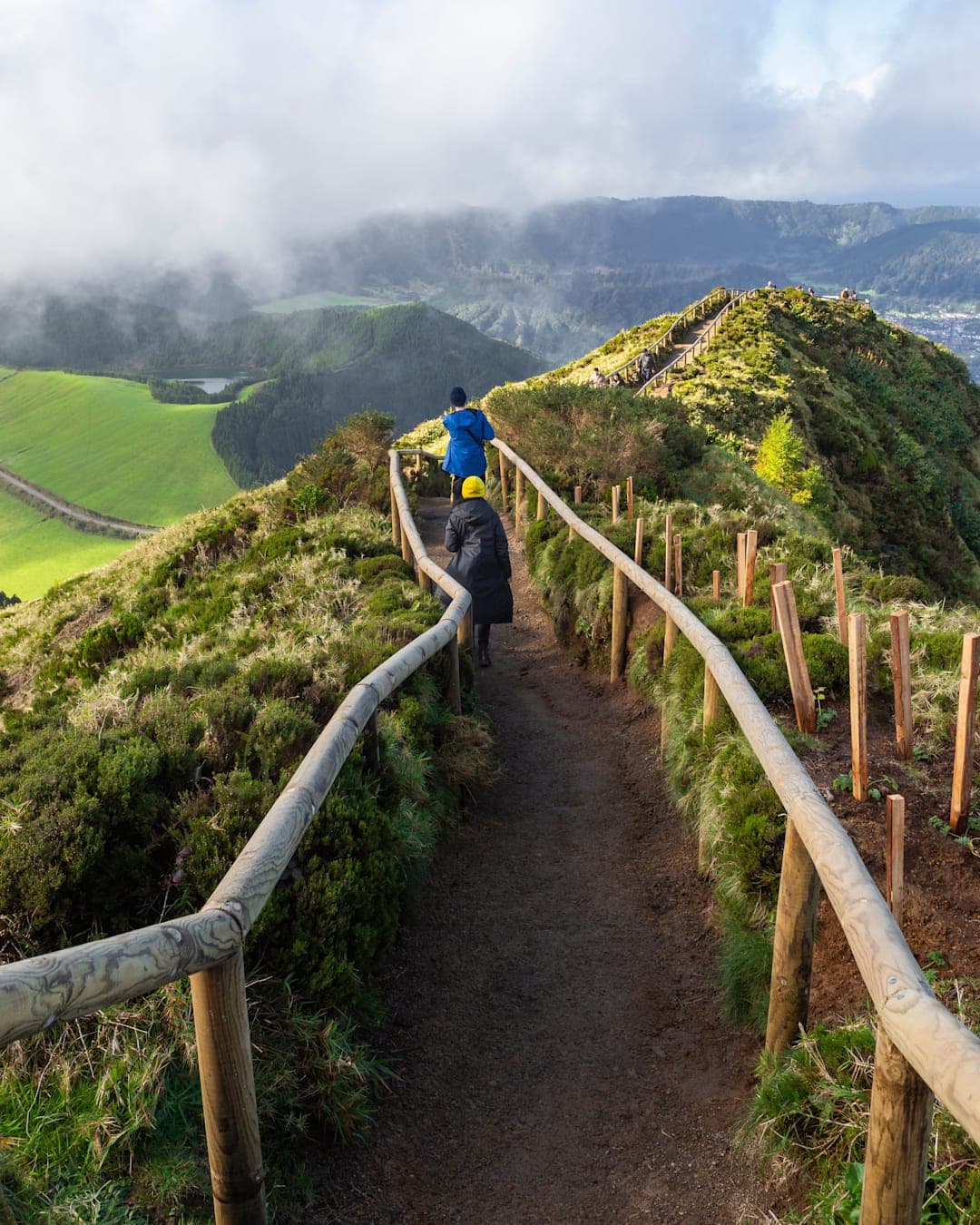
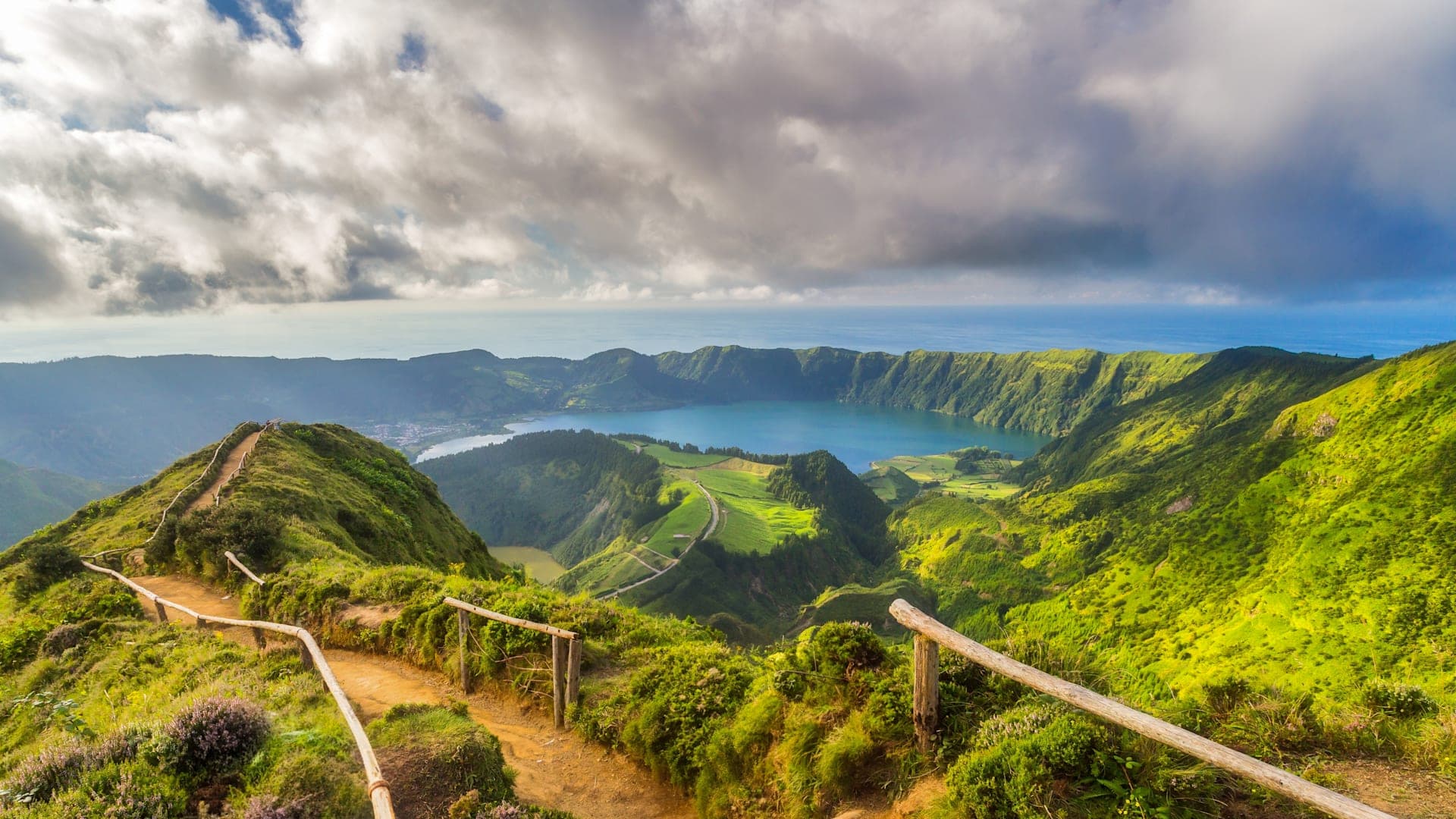
Right in the middle of the Atlantic, the forces of nature and freedom make your heart beat faster as you hop from island to island across the unique Azores. On São Miguel, hot springs bubble beneath dense ferns, turquoise crater lakes sparkle between green mountain slopes and the ocean rages against pitch-black lava rocks. Faial welcomes you with surreal moonscapes and stories from round-the-world sailors, while Pico challenges you with dense misty forests and Portugal's highest mountain – a volcanic giant that inspires awe. Island-hopping across the Azores is cinematic nature in constant overdrive – whale songs instead of street noise, adrenaline instead of routine and volcanic rock beneath your feet. This is wild, real and unforgettable.
Between May and October, the Azores show off their finest – lush green landscapes, mild temperatures and perfect conditions for whale watching or road trips along the wild coast.
In the Azores, you pay in euros (EUR).

A direct flight from the UK to the Azores – usually to Ponta Delgada on São Miguel – takes around 3 to 4 hours.

Portuguese is spoken in the Azores. In the larger towns and tourist areas, many people also speak English.

The Azores are full of highlights, but these sights belong on your bucket list.
São Miguel is a pure force of nature. At Lagoa das Sete Cidades, emerald and turquoise crater lakes meet steep slopes and ancient legends. Just a few bends further on, Lagoa do Fogo looks like something from another planet – solitary, wild and spectacular. In the steaming valley of Furnas, the ground bubbles while deep beneath you, the national dish cozido cooks in the hot earth. Heading north, the scene changes: gentle slopes and green rows reveal Europe's only tea plantations at Gorreana and Porto Formoso with Atlantic views. And then there's Ponta Delgada – cobblestones, street art, food spots and magical sunsets at the harbour.
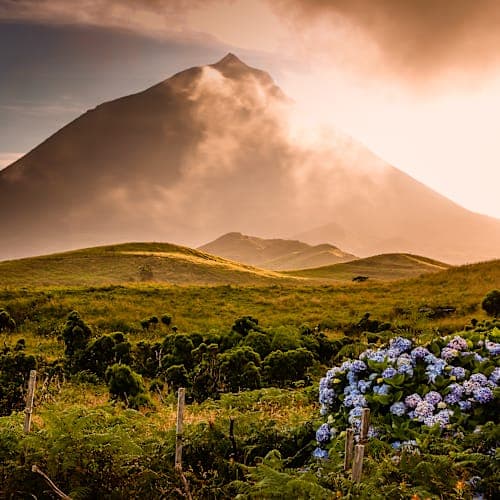
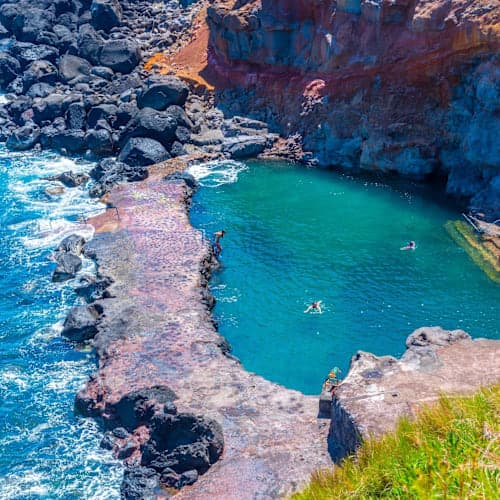
Pico grabs you instantly as the volcano of the same name towers over everything like a sleeping giant, its summit surrounded by swirling clouds, while you wander through black lava fields and gnarled vineyards – UNESCO World Heritage meets authentic island life. The Atlantic glitters in the distance, then a spout of water appears – a whale surfaces and delivers genuine goosebump moments. Later, you'll drift in lava pools, the water deep blue and the edges rough like freshly broken stone. And when the sun sets, the sky above the volcano's summit turns gold and red and you know that Pico will stay with you forever.
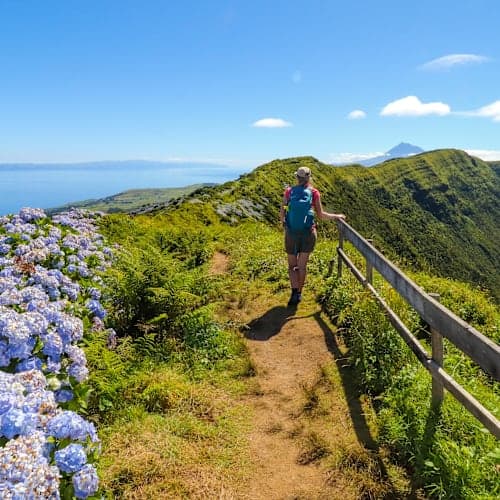
Faial delivers pure drama. The Caldeira crater tears a lush green hole into the island – steep, deep and ancient. If you walk along the crater rim, you'll stand between the sky and the abyss with 360° Atlantic views. And then there's Capelinhos: a black desert created by a volcanic eruption that shook Faial in 1957. Ash fields, lava rock and an abandoned lighthouse – everything looks as if the world briefly stopped breathing. The moment you turn around, life returns as sailing boats from all over the world lie moored in Horta. The harbour walls tell stories of comings and goings in colour, and right in the middle sits Peter Café Sport – a cult bar and meeting point for travellers.
São Jorge shows you just how intense nature can be, as green cliffs plunge dramatically into the sea and deep-blue fajãs cling to the coast like hidden gardens while veils of mist drift across volcanic cones. Every step on the island becomes a real adventure as you wander through mossy laurel forests, balance along the edges of ancient lava fields and breathe in this wild mix of salt, earth and freedom. From the top of Pico da Esperança, the view stretches all the way to the horizon – and deep into your own inner world.
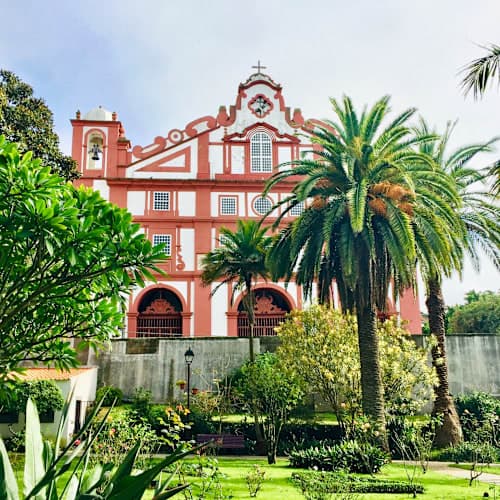
Terceira brings a bold splash of colour into your trip, as pastel-coloured houses in Angra do Heroísmo glow between cobblestones and colonial facades, making you feel as if you’ve stepped straight onto a film set. Once you leave the city behind, the island turns brilliantly green, with cows grazing on lush meadows, crater lakes that look like they've jumped out of a fantasy novel and lava caves that lead you deep beneath the earth. Terceira is wild and cultivated at the same time, silent yet full of stories, and it creates the perfect blend of adventures in nature and cultural city breaks.