Best time to visit
There is no single best time to visit Australia – it varies significantly from region to region.
Australia stretches across 7.7 million square kilometres – and makes use of every single one. The Great Barrier Reef runs for 2,300 kilometres along the east coast, with corals glowing in colours that need no filter. Uluru burns red at sunset, as though the light is coming from within the rock itself. Sydney spreads out around its harbour, Melbourne smells of coffee and wet laneways in the morning. In between: outback, rainforest, wine regions and beaches where only surfers sit in the early hours. Kangaroos at the roadside, koalas in the eucalyptus forests, whale sharks off Ningaloo Reef – a continent you can't do justice to in a single trip.
There is no single best time to visit Australia – it varies significantly from region to region.
Australia's currency is the Australian dollar (AUD).

A flight from the UK to Melbourne takes around 20 to 22 hours – always with a stopover.

The official language is English – Australian English, with its own distinct accent and slang.
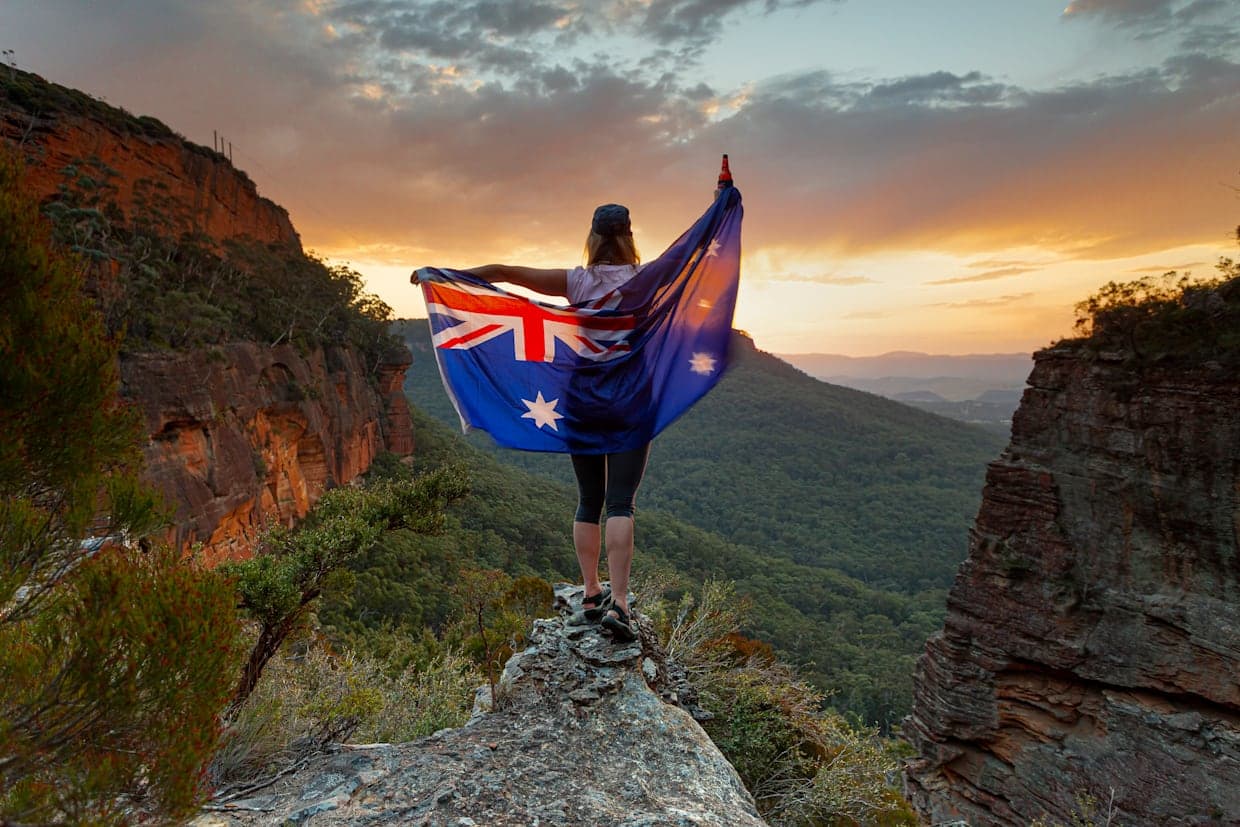
Australia is full of highlights, but these must-sees belong on your bucket list.
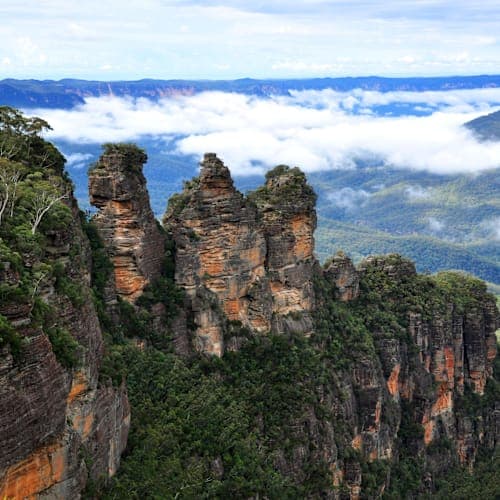
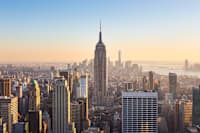
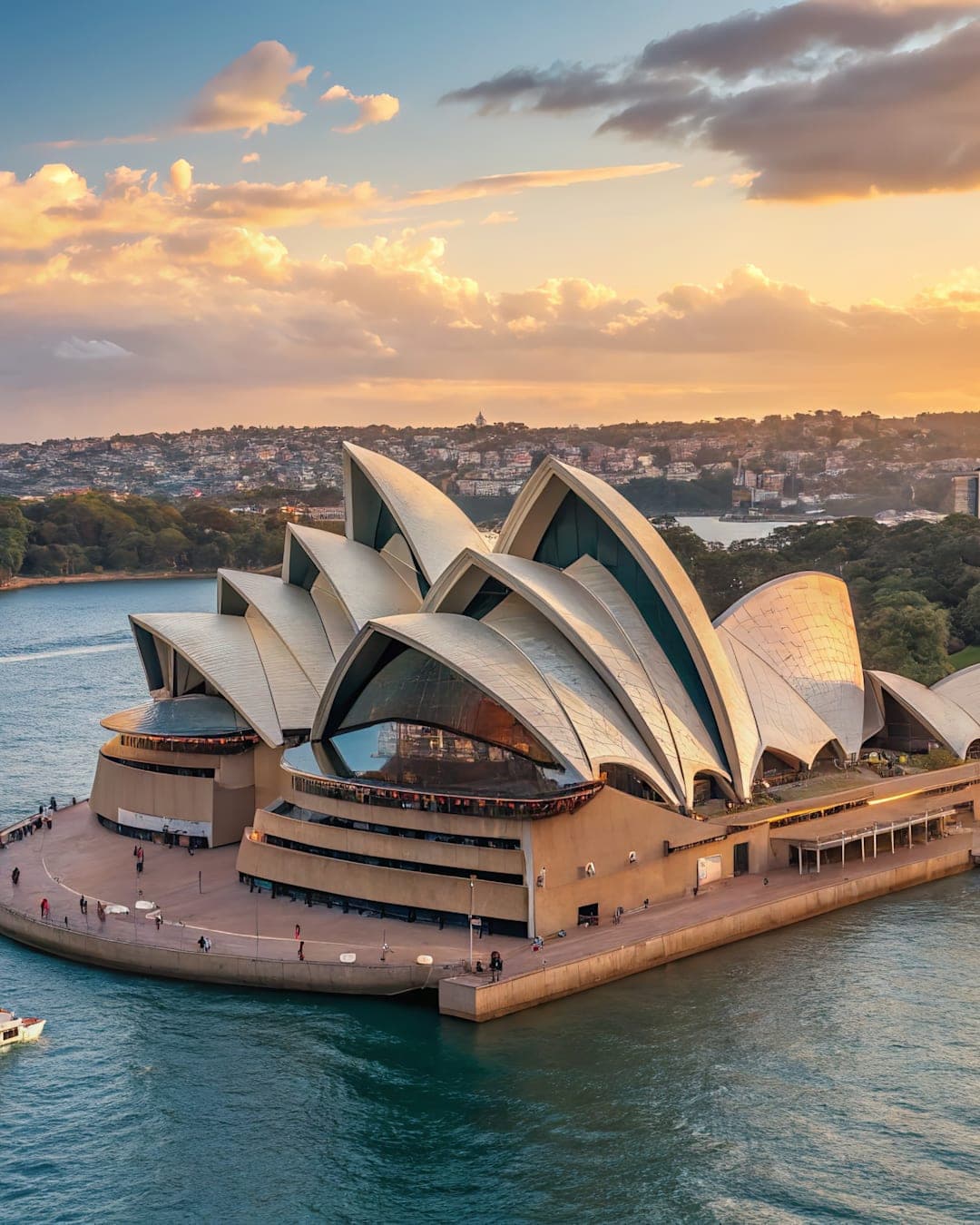
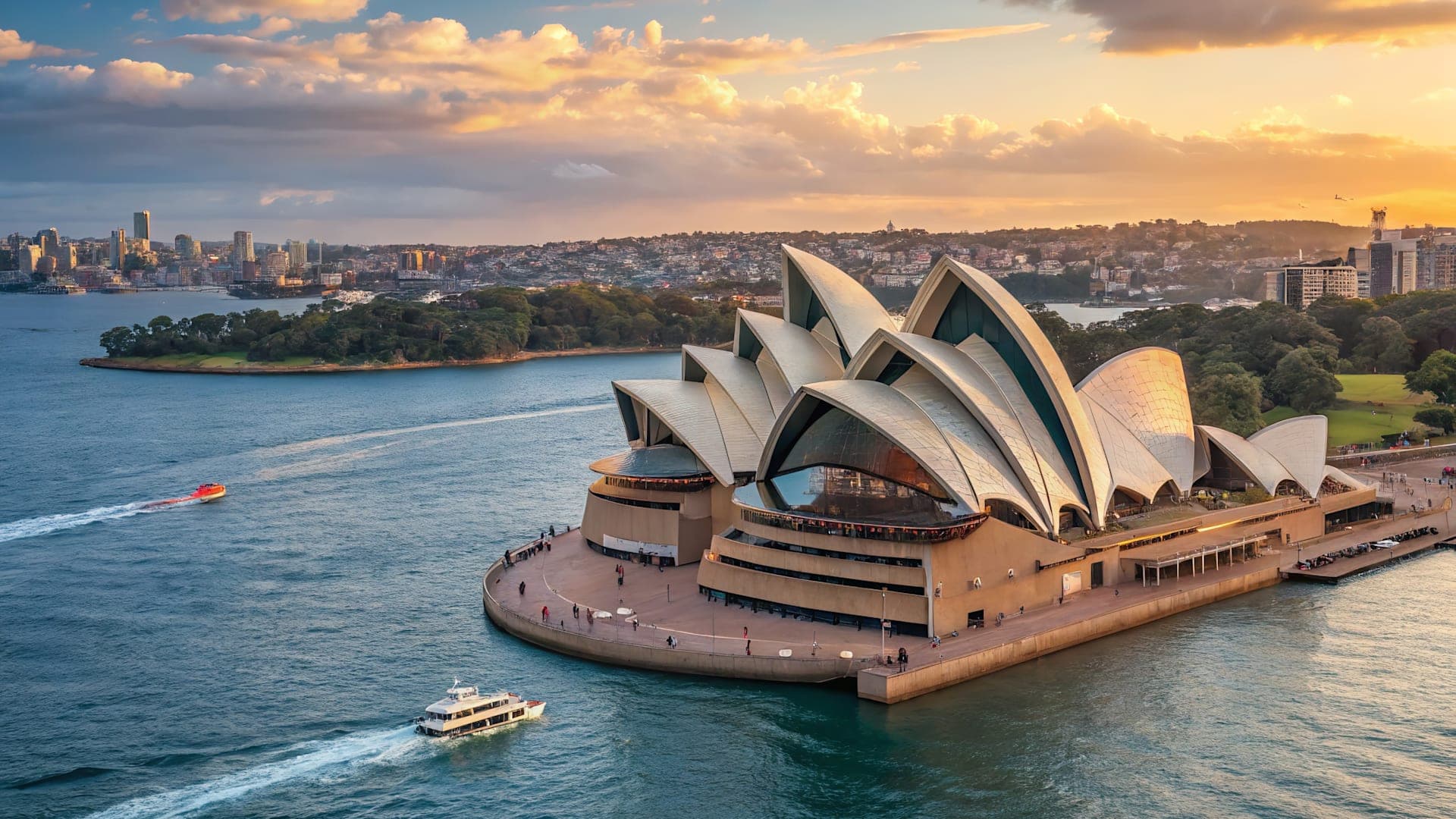
Sydney starts at the water: the Harbour Bridge spans the harbour, the Opera House sits alongside it and skyscrapers and colonial buildings press closely together behind. Bondi Beach is just 20 minutes away – salt air, white sand, surfers in the break and the Coastal Walk tracing the clifftops all the way to Coogee. An hour to the west, the Blue Mountains shimmer blue as eucalyptus oil evaporates in the heat. Sandstone gorges fall away steeply, with the Three Sisters rising above them. Further north, things quieten down: Byron Bay with its lighthouse at the easternmost point of the continent, the Hunter Valley where Sémillon has been ripening for 150 years and Newcastle with surf right on its doorstep.
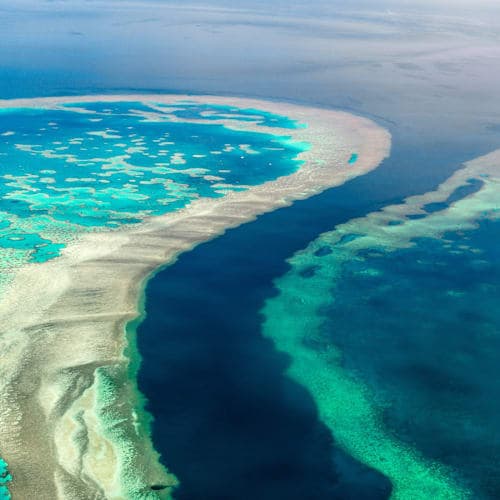
Queensland starts with coral and ends with skyline. From Cairns, you dive straight into the Great Barrier Reef – below the surface, colours glow that simply don't exist above water. Two hours south, the Whitsundays spread across 74 islands. At Whitehaven Beach, the sand is so white it's made of quartz and stays cool underfoot even in the heat. K'gari breaks all the rules: rainforest grows directly on sand, dingoes roam through the dunes and freshwater lakes shimmer in the middle of nowhere. Brisbane closes things out in the south – urban and relaxed in equal measure, wedged between the surf beaches of the Gold Coast and the quiet coves of Noosa.
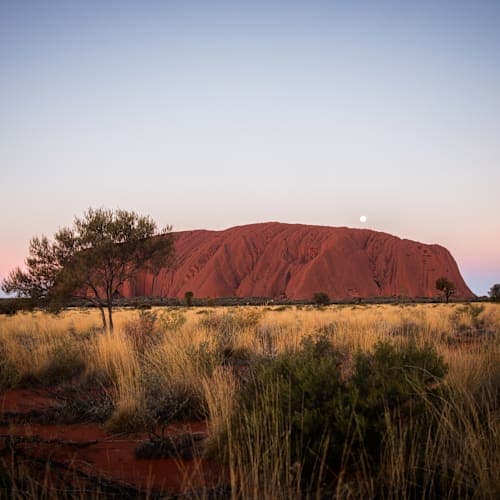
Red sand, no shade, 45 degrees – the Outback makes no compromises. At its heart stands Uluru, a sandstone monolith 348 metres high and sacred to the Anangu for thousands of years. Right alongside it, Kata Tjuta: 36 rounded rock domes that cast deep shadows in the afternoon light. In the north, Darwin welcomes you – tropical and raw. From here you can reach Kakadu National Park – crocodiles in the billabongs, water buffalo in the grass and rock paintings over 20,000 years old. Between the towns: kangaroos, emus and dingoes. Out here, you measure distances not in kilometres but in hours.
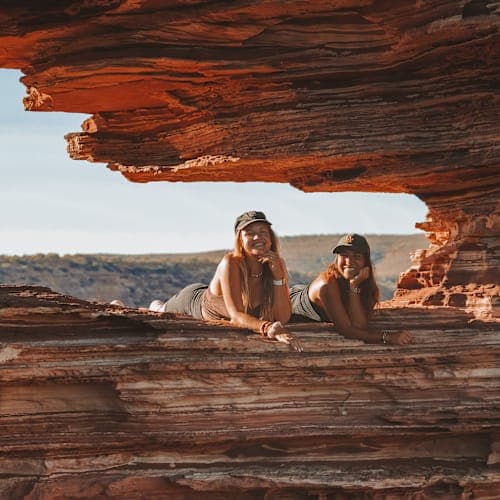
Western Australia is as large as Western Europe – and has fewer residents than Berlin. Perth sits on the southwest coast, with white beaches on its doorstep and Fremantle half an hour away. To the north, the Pinnacles rise from Nambung National Park: thousands of limestone columns in an orange desert that shimmers with heat. Continue up the coast and you reach Ningaloo Reef, accessible directly from the beach – between March and July, whale sharks glide through the warm water alongside the reef. In the far north lies the Kimberley region: red gorges, waterfalls plunging into deep pools and roads that disappear into the mud during the wet season.
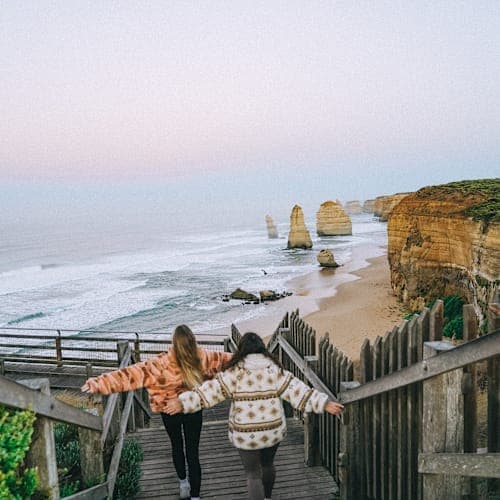
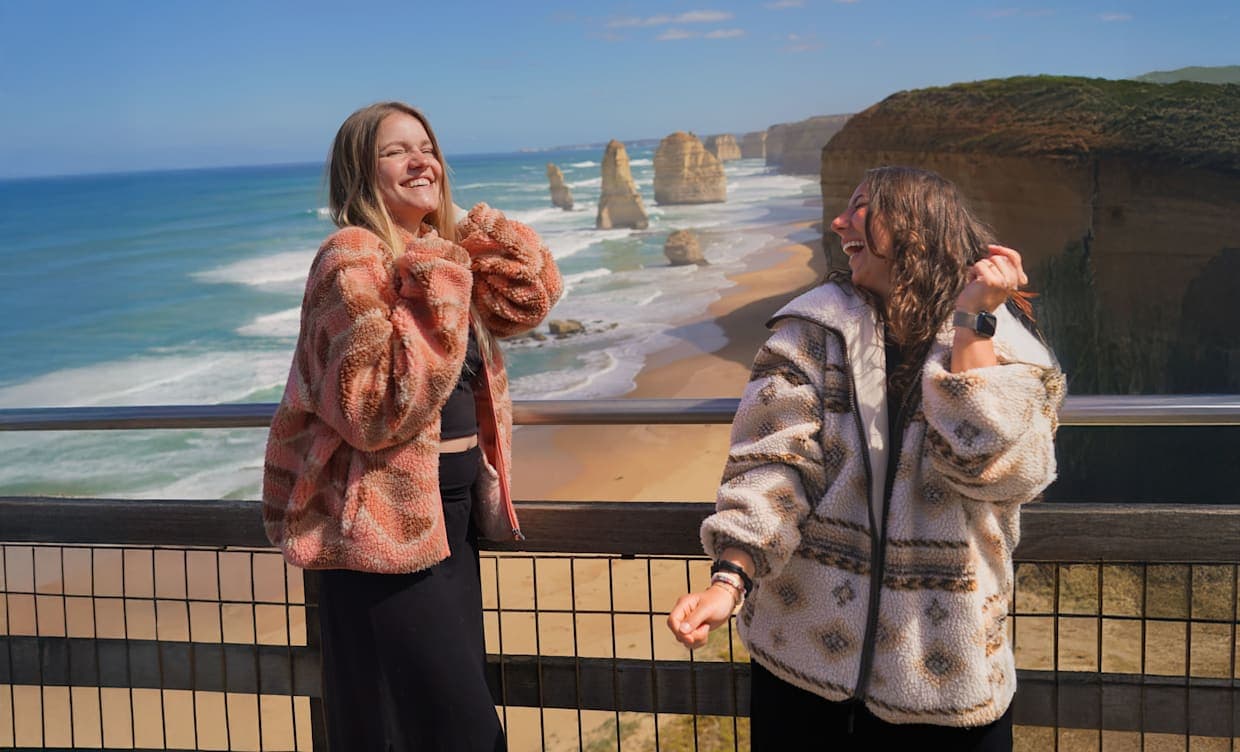
Melbourne is Australia's cultural capital – even if Sydney would disagree. Street art in the laneways, coffee roasters on every corner, markets and an arts scene that sounds different in every neighbourhood. The Great Ocean Road begins just outside the city: 243 kilometres of coastal road, ending at the Twelve Apostles – rock stacks that the ocean has carved out of the coastline. Four hours to the west lies Adelaide, quieter and greener, with wineries on its doorstep and the Barossa Valley within easy reach. A ferry ride further on, Kangaroo Island: sea lions on the beaches, koalas in the eucalyptus forests, salt air and barely another soul in sight.