Best time to visit
Ireland is a year-round destination, though the months of May to September bring the most sunshine and the most pleasant temperatures.
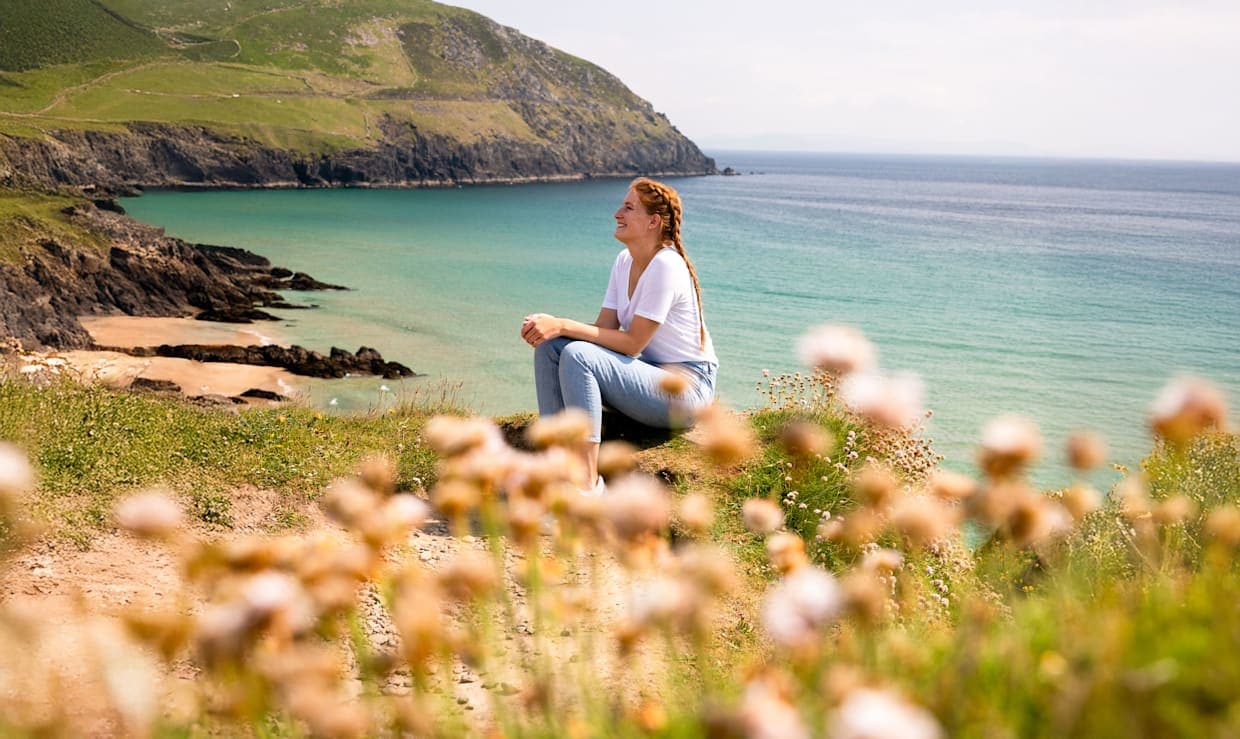


Ireland looks small on the map – until you start driving and realise that something new is waiting around every bend. Dublin holds you first: Grafton Street, Temple Bar and a Guinness that genuinely tastes different here. Then the rest of the country takes over – 2,500 kilometres of Wild Atlantic Way, cliffs that drop vertically into the sea, moorlands swaying in the wind and pubs in tiny villages where the music never stops and nobody glances at the clock. The Cliffs of Moher leave you speechless, Connemara brings a deep, quiet stillness and the north gives you the feeling that the whole country belongs to you alone. Ireland isn't a destination you tick off -- it's one that keeps bringing you back.
Ireland is a year-round destination, though the months of May to September bring the most sunshine and the most pleasant temperatures.
Ireland's currency is the euro (EUR).

A direct flight from the UK takes around 1.5 hours.

Irish is the official language, though most people speak English in everyday life.
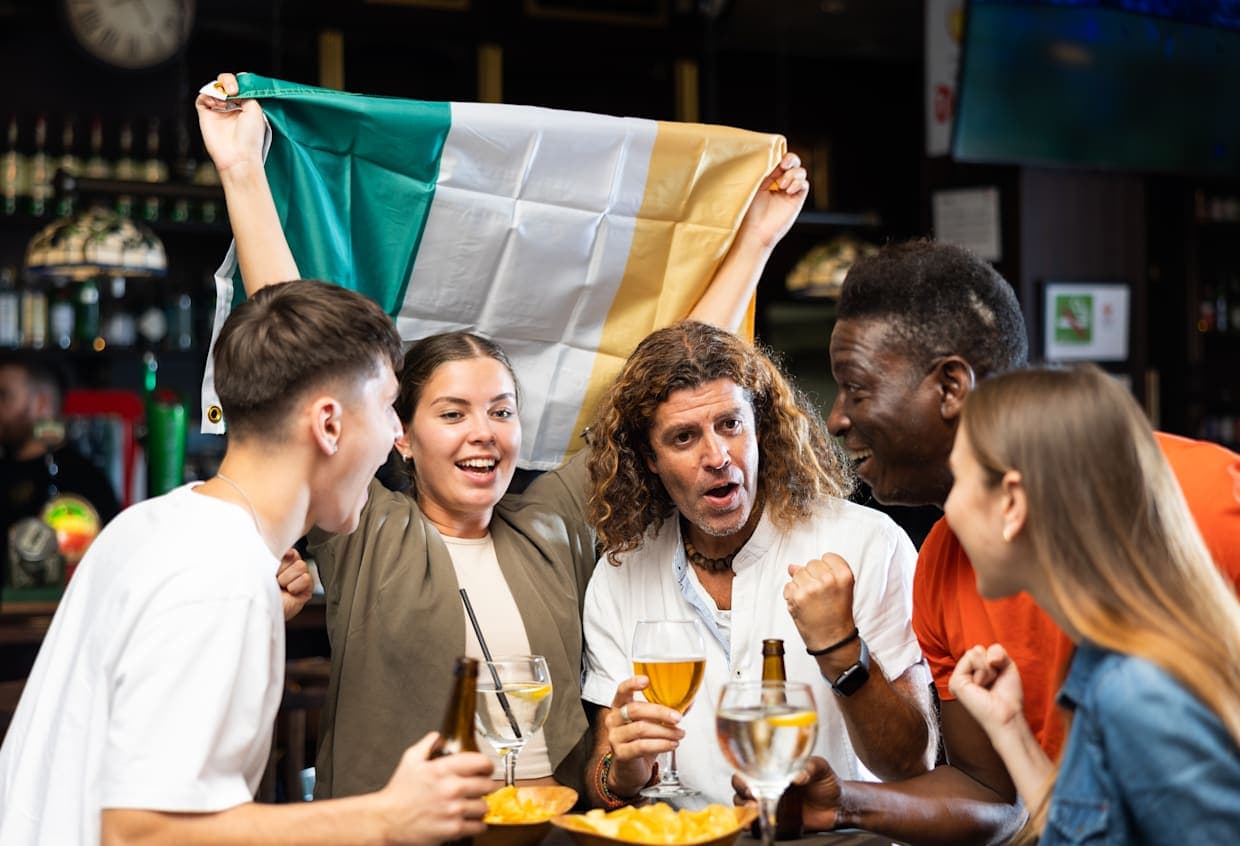
Ireland is full of highlights, but these must-sees belong on your bucket list.
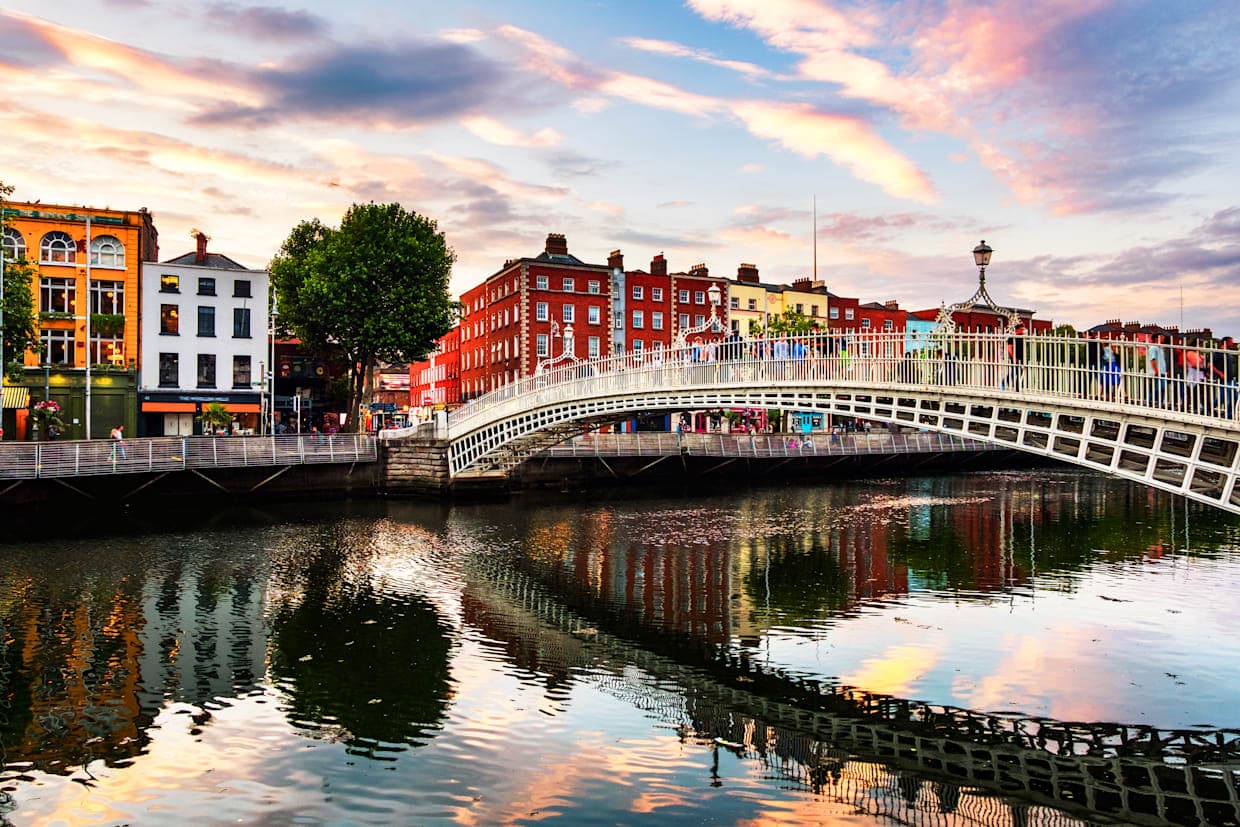
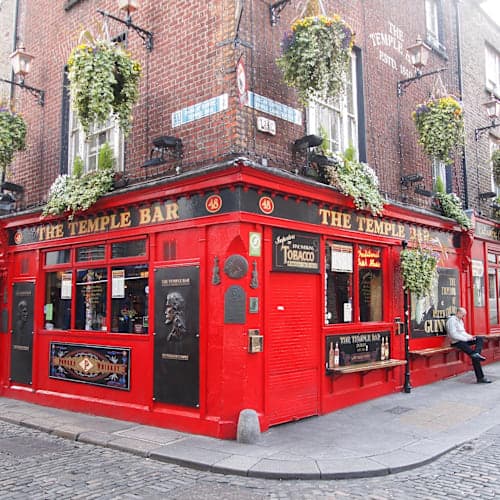
Dublin smells of rain, hops and ancient stone. By day, Grafton Street pulses with energy; by evening, take your seat in the Temple Bar with a Guinness in front of you and live music at your back. Twenty minutes away lies Howth, a fishing village perched on a peninsula, all cliffs, wheeling gulls and fish landed straight from the harbour. The coastline winds southward to Bray, opening out to the Wicklow Mountains, where moorland steams in silvery light. Kilkenny awaits inland: medieval laneways and a castle that looms dark and proud above the river. Waterford brings the journey full circle: the place where Vikings once dropped anchor, and where crystal glass has been catching the light for the world ever since.
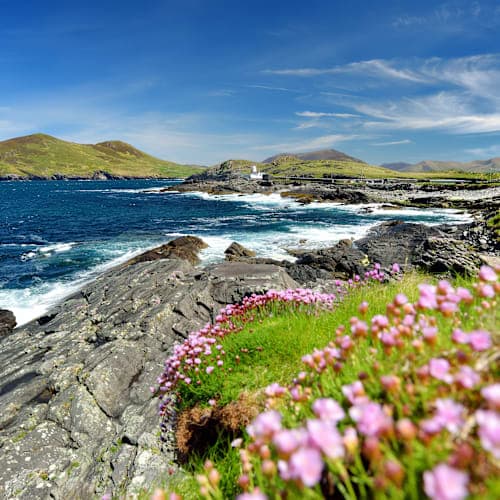
The Ring of Kerry winds for 179 kilometres along the coast: cliffs that plunge vertically into the Atlantic, coves that no sat nav has ever found, and sheep herds that set the pace. Killarney opens the route: lively pubs, a colourful market square. Just beyond, Killarney National Park, where red deer roam ancient oak woodland and Ross Castle has been seeking its own reflection in the lake since the 15th century. Cork welcomes you with the English Market and the scent of the harbour: a city that moves entirely to its own rhythm. A few kilometres outside town, Blarney Castle presides over its parkland: those who kiss the Blarney Stone are said to receive the gift of the gab. You'll get to decide for yourself whether the legend holds true.
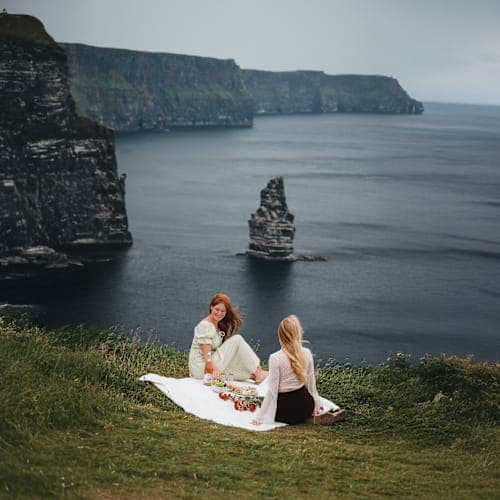
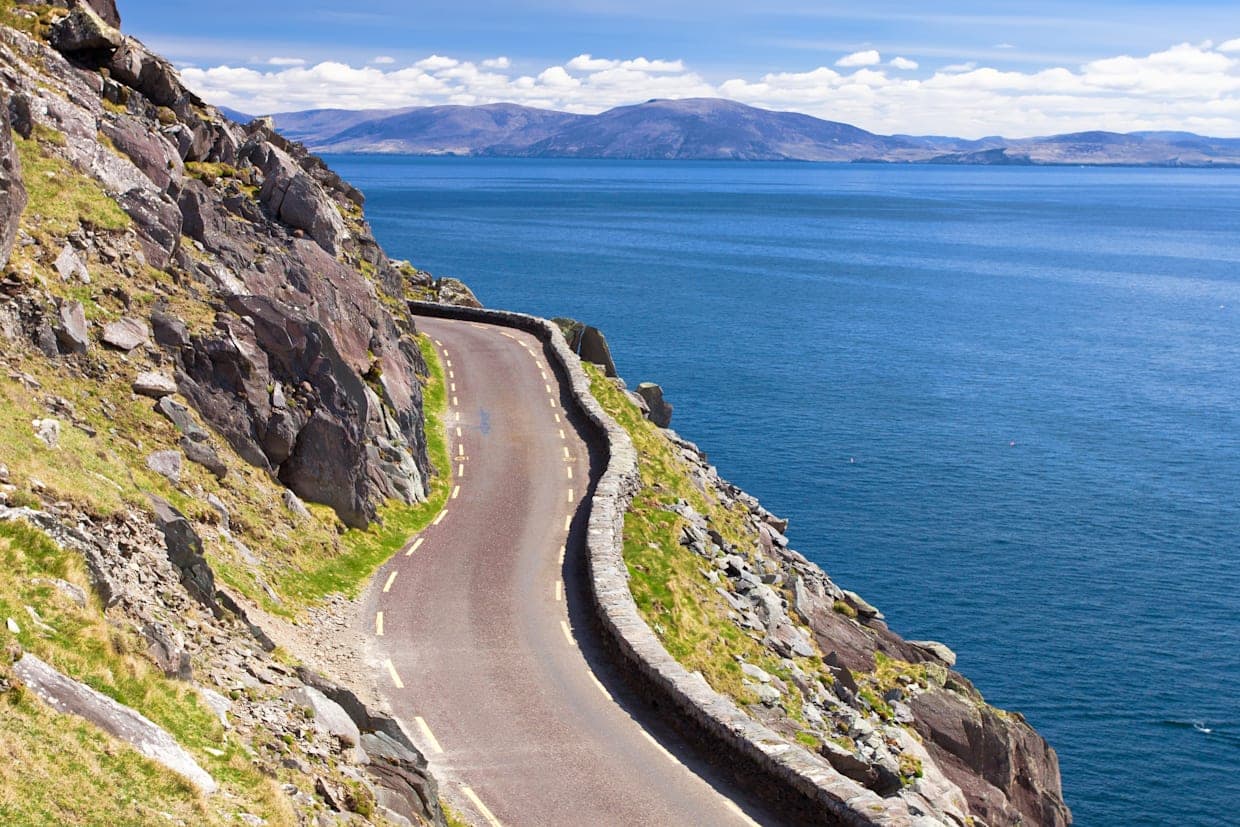
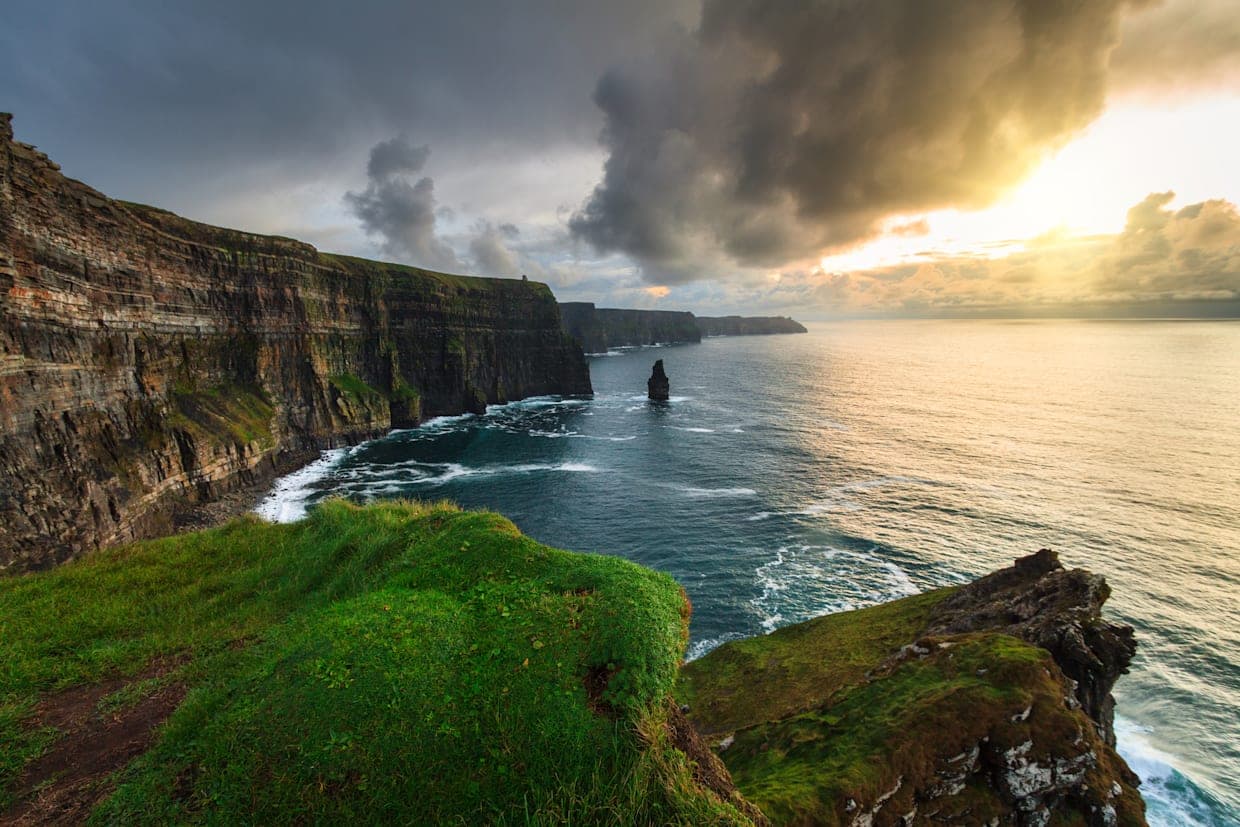
The Wild Atlantic Way stretches 2,500 kilometres along the west coast – the Atlantic, sheer cliffs and wide open space. The route begins with the Dingle Peninsula: the Slea Head Drive winds around the tip, Dunquin Pier huddles beneath the cliffs and beyond it the road disappears into the mist. The harbour at Dingle smells of salt, diesel and the edge of the world. Further north lies Limerick on the Shannon and Ennis, where trad music spills out of every pub. Then comes one of Ireland's greatest natural spectacles: the Cliffs of Moher – 214 metres of sheer rock dropping straight into the sea. Thousands of seabirds nest in the cliff faces, the wind pushes you back and on a clear day the views stretch all the way to the Aran Islands.
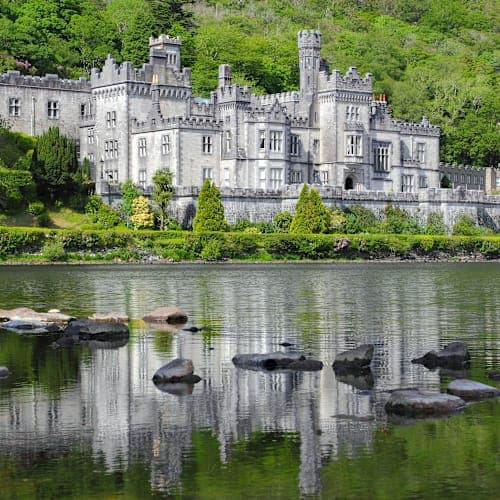
The Cliffs of Moher are not the end: they are only the beginning. Galway welcomes you with the noise of a city that knows how to live: trad music spilling out of pubs onto the street, colourful facades glowing in the evening light. Just a short ferry ride away lie the Aran Islands, with their stone walls, dramatic cliffs and a way of life that has barely changed in centuries. Connemara carries you into another world entirely: moorland swaying in the wind, unnamed mountain lakes and a silence that feels genuinely restorative. Clifden breaks that silence: a small market town that bursts into life in summer and belongs entirely to itself for the rest of the year. Just beyond it, Kylemore Abbey emerges from the mist, a neo-Gothic abbey sitting right at the water's edge, impossibly beautiful.
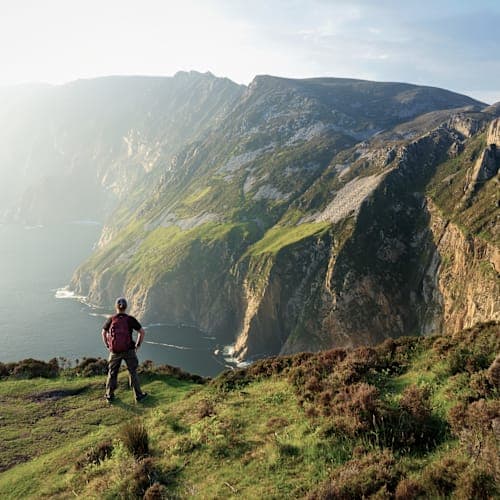
The further north you travel, the more Ireland feels like it belongs to you alone. Westport is the last familiar landmark. A single bridge separates you from Achill Island, and beyond it a different world begins: black cliffs, abandoned villages and beaches in a shade of turquoise that nobody expects to find here. Sligo sits between mountain peaks and the Atlantic, raw and still. In Donegal, the landscape becomes the main event. The Slieve League cliffs drop 600 metres straight into the sea: three times the height of the Cliffs of Moher. Deep inland, Glenveagh National Park awaits: red deer on the high moorland, ancient oak woodland and a lakeshore castle that feels entirely out of time.