Best time to visit
South Korea is a true year-round destination, but spring and autumn deliver the standout highlights.

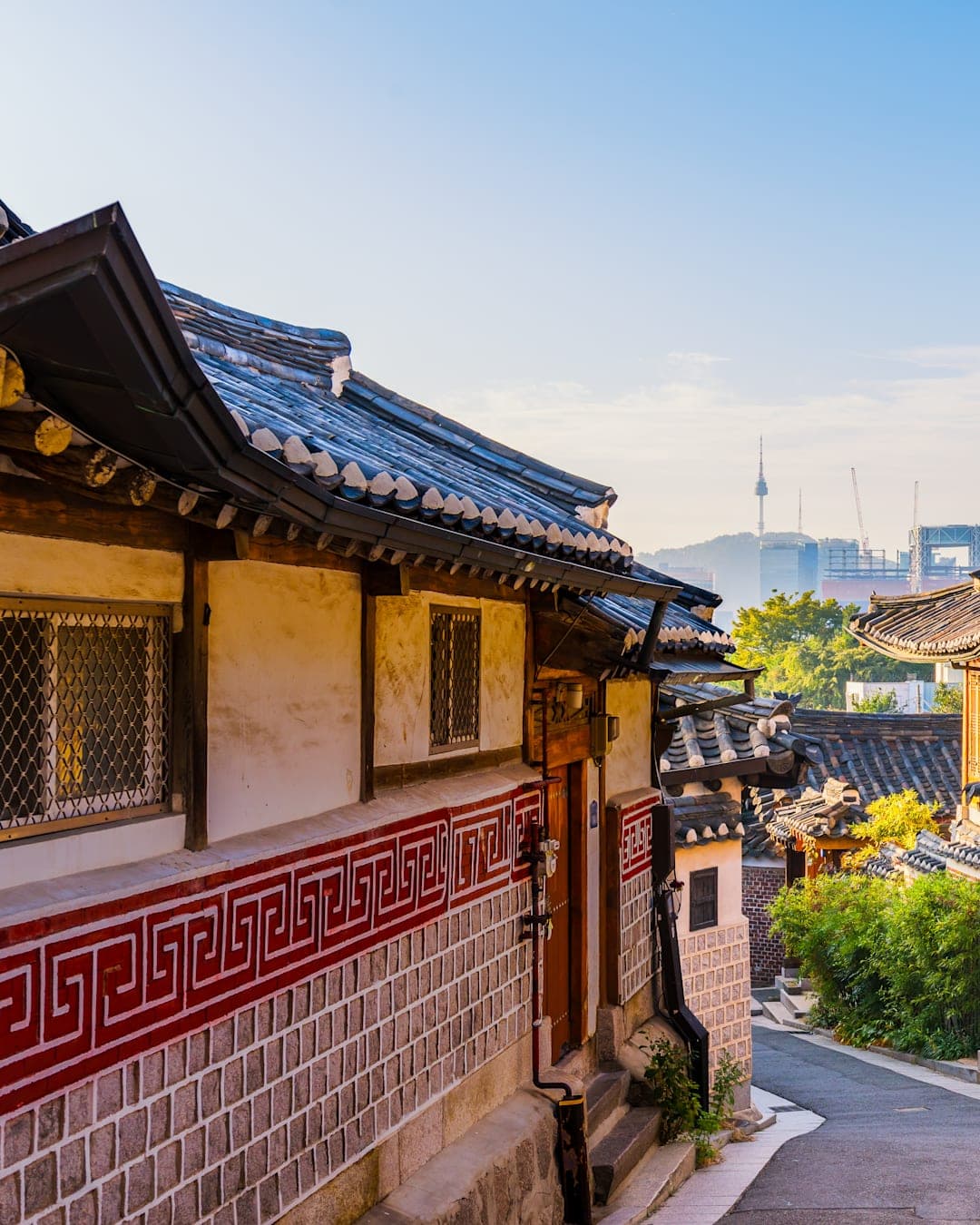
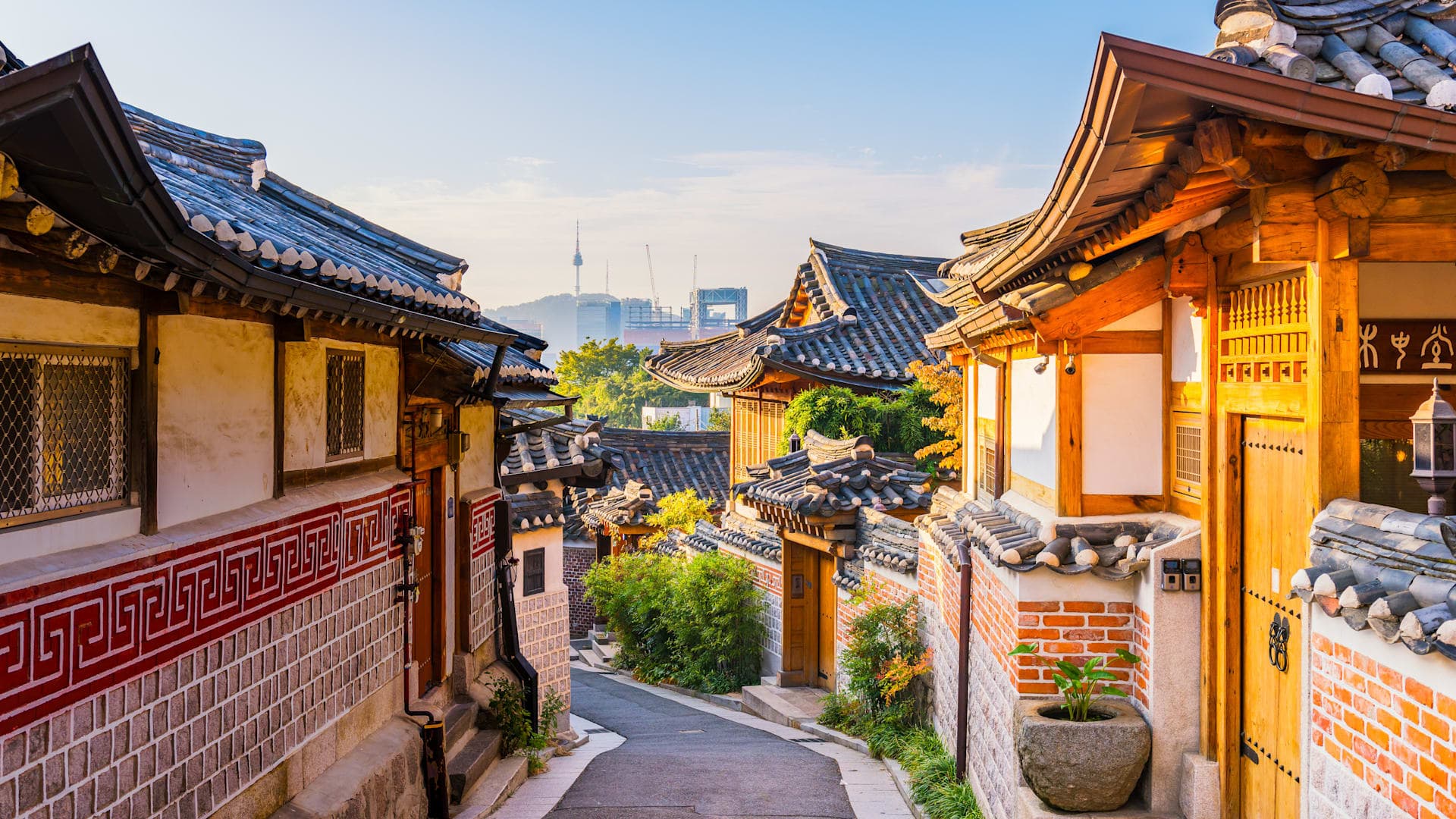
Life pulses through Seoul. Between neon lights, street food stalls and temples, you step into a world that feels ultra-modern and deeply rooted at the same time. By day, wander through royal palaces or sip tea in the Hanok quarter, then head up to rooftop bars or duck into a karaoke booth as night falls. The high-speed rail network gets you from the metropolis to the sea in just a few hours, which makes exploring effortless. Whether you travel during cherry blossom season in spring or among glowing red and gold leaves in autumn, a round trip around South Korea delivers picture-perfect moments non-stop. Then there’s the food: kimchi, bibimbap, tteokbokki and Korean BBQ – your taste buds celebrate every bite.
South Korea is a true year-round destination, but spring and autumn deliver the standout highlights.
In South Korea, you pay with the South Korean won (KRW).

A direct flight from the UK to Seoul takes around 11 to 14 hours.

The national language is Korean, but younger people in particular often speak English.

South Korea is full of highlights, but these must-sees belong on your bucket list.

Seoul is loud, fast and electrifying, which is exactly why it makes the perfect starting point for your round trip around South Korea. Outside Gyeongbokgung Palace, guards march in traditional robes, while just a few streets away K-pop flickers across giant LED screens. In Hongdae, young locals dance to beats from portable speakers as street art takes over entire building façades. Gwangjang Market feels like a paradise for food lovers, serving steaming tteokbokki, crispy mandu and kimchi that tastes unforgettable. Bukchon Hanok Village transports you back in time right in the heart of a megacity, and if you want to head sky-high, the Lotte World Tower shows you Seoul from above as a city that never stands still, never sleeps and is anything but quiet.

Welcome to the heart of Korean tradition, because Jeonju is not a place you rush through and it’s a place where you linger. In Hanok Village, more than 700 traditional wooden houses line the streets, many of them transformed into tea houses, craft shops and small guesthouses. Wander through lanes where bibimbap was born, sample your way through street food stalls and dive deep into the art of calligraphy and hanji paper. As evening falls, lanterns glow between the rooftops and the whole place feels like a film set. Jeonju blends history, food and creativity, and it brings you closer to the real Korea, completely unfiltered.

In Busan, the beach sits right on your doorstep while you stay fully immersed in South Korea’s city life. Swim at Haeundae Beach with the skyline rising behind you, then watch the sun set at Gwangalli Beach as it drops behind the iconic Gwangan Bridge. Haedong Yonggungsa Temple stands dramatically on coastal rocks above the sea, and it feels especially magical at sunrise. While the day’s fresh catch lies on ice at Jagalchi Fish Market, colour fills the lanes of Gamcheon Culture Village with street art, stairway labyrinths and small galleries. Busan feels relaxed, creative and full of energy, which makes it the perfect counterbalance to Seoul’s fast pace.

Jeju is not just an island, because Jeju is an adventure. Black lava rock meets emerald-green forests, roaring waterfalls meet quiet temple paths, and right at the centre rises Hallasan, South Korea’s highest volcano and a true paradise for hikers. Wake early to watch the sun climb over Seongsan Ilchulbong, where Sunrise Peak glows in golden morning light and delivers a moment that stays with you. Jeju feels raw and beautiful, windswept yet peaceful. Wander through lava tunnels, unwind in secluded coves and savour fish that was still swimming in the sea just hours ago.

In Gyeongju, you feel as if you’ve stepped into another era, where pagodas, palaces and stone Buddhas tell stories of the splendour of the Silla Dynasty. Bulguksa Temple and the Seokguram Grotto hold UNESCO World Heritage status, while the burial mounds in Tumuli Park roll through the landscape like gentle green waves. When Anapji Pond begins to glow in the evening, history turns into a true goosebump moment. Completely different yet just as captivating, Incheon reveals another side of South Korea. The port city blends skylines with tradition, mixing Chinatown streets with soaring skyscrapers. Wander through lively street food lanes, unwind in futuristic parks or breathe in the sea air along the waterfront. Whether it’s your arrival or your farewell, Incheon captures South Korea’s diversity in a single glance.